
Orlando International Airport (MCO) — Overview, History and Operations
Primary airport serving the Orlando region. Known by the code MCO from McCoy Air Force Base, it is a major U.S. gateway for tourism and international travel with extensive airline and ground connections.
Orlando International Airport is the principal airport serving the Greater Orlando area in central Florida. Identified by the airport code MCO, it functions as a major U.S. gateway for tourism, business and international travel. The airport handles a mix of domestic flights, seasonal leisure services and regular international routes to the Caribbean, Latin America, Canada and Europe, and it is tightly linked to the region's theme parks, resorts and cruise ports.
Image gallery
10 Images

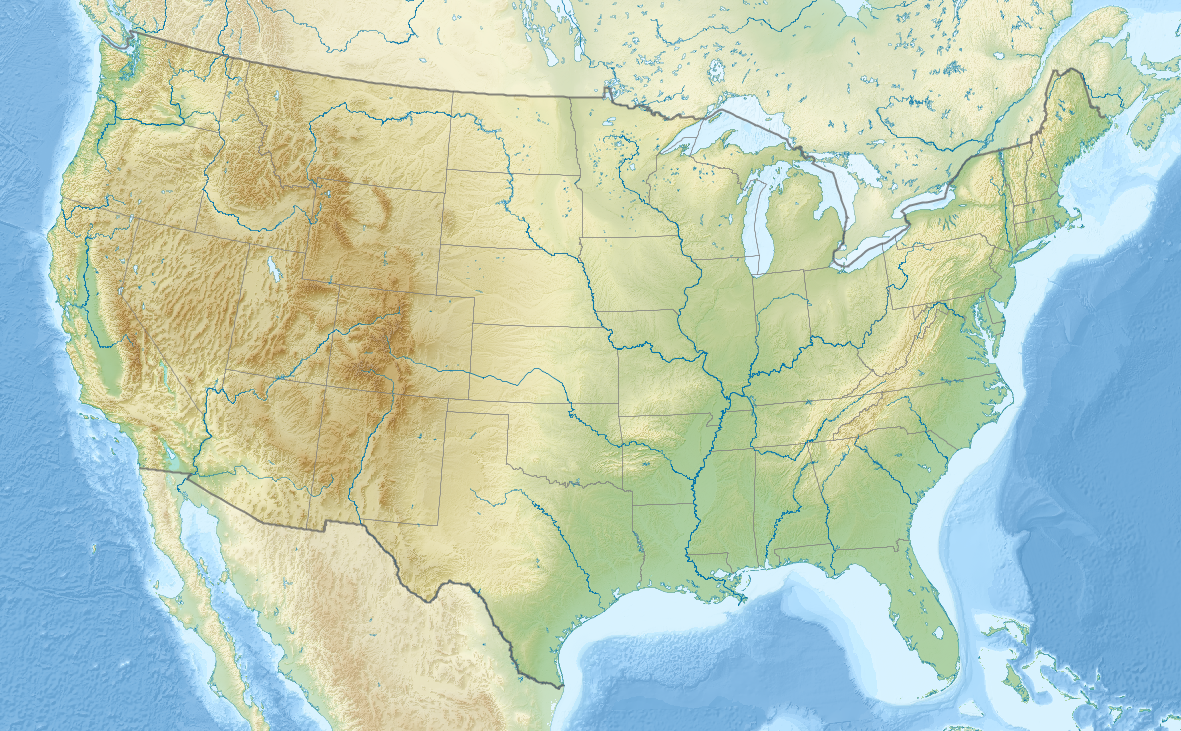


Characteristics and layout
The airport is organized around a central landside terminal complex with multiple airside satellite concourses reached by an automated people-mover system and pedestrian connections. Facilities include ticketing and baggage halls, a consolidated rental car center, cargo and maintenance areas, and extensive ground-transport infrastructure for shuttles, taxis and buses. Modern terminals accommodate a broad variety of aircraft types, and the campus is continually developed to expand capacity and passenger amenities.
History and name
The three-letter code MCO preserves the airport's origins as McCoy Air Force Base, named for Colonel Michael N. W. McCoy. In the 1960s the airfield began to support commercial jet service alongside military operations. Following the drawdown of military activity in the mid-1970s the installation transitioned to full civilian use and was renamed Orlando International Airport. The military-to-civil evolution shaped the early layout and allowed rapid growth as commercial traffic increased.
Airlines and route types
Orlando is served by a wide range of carriers, from large network airlines to low-cost and leisure-focused operators. The airport is a significant base of operations for low-cost carriers and a focus of seasonal international services. Its route map features high-frequency domestic flights between major U.S. hubs as well as many year-round and charter links to holiday destinations. Cargo and charter activity also play a role in the airport's mix of operations.
Economic and regional importance
As the primary aviation gateway for central Florida, the airport supports billions in regional economic activity each year by enabling tourism, conventions and business travel. Proximity to Walt Disney World, Universal Orlando and other attractions makes it vital for leisure travel, while scheduled international flights support business ties and inbound tourism from overseas markets. Investments in terminals, ground transport and passenger services aim to keep the facility competitive among U.S. airports.
Connections and nearby airports
Ground transportation options include bus and shuttle services, commercial rental-car operations in a consolidated center, and roadway links to the broader Orlando metro area. Several other airports provide supplemental service to the region and can be used as alternatives for specific routes or carriers, increasing the overall connectivity of central Florida.
Notable facts and distinctions
The airport's MCO code is a reminder of its military past, while continued expansion reflects Orlando's sustained passenger demand. It is often ranked among the busiest airports in the state and the nation as measured by passenger volumes. Planning and development emphasize passenger flow, baggage handling, security throughput and amenities to serve a diverse traveler profile that ranges from families visiting theme parks to business passengers and international tourists.
Related links
- IATA code: MCO
- FAA location identifier: MCO
- Greater Orlando, Florida
- State ranking (second-busiest in Florida)
- Florida airport system
- Miami International Airport
- U.S. passenger ranking
- Global passenger ranking
- Passenger traffic statistics
- Hub and focus-city concepts
- AirTran Airways (former carrier)
- Focus city designations
- Southwest Airlines
- JetBlue Airways
- Corporate headquarters (historical)
- Airline corporate links
- Passenger-share measurements
- Colonel Michael Norman Wright McCoy
- United States Air Force
- Introduction of commercial jet service
- Civil aviation transition
- Military history of the airfield
- Vietnam War-era base closures
- Tampa International Airport
Related articles
Author
AlegsaOnline.com Orlando International Airport (MCO) — Overview, History and Operations Leandro Alegsa
URL: https://en.alegsaonline.com/art/73180
Sources
- orlandoairports.net : "Data"
- gcr1.com : FAA Airport Master Record for MCO
- gcr1.com : Form 5010
- aci.aero : "ACI passenger figures in 2007"
- orlandoairports.net : "Traffic Statistics"
- gc.kls2.com : "Great Circle Mapper: MCO / KMCO – Orlando, Florida"
- blogs.orlandosentinel.com : "Orlando International Airport slips to 13th nationally, 26th worldwide – Tourism Central Florida – Orlando Sentinel"
- airports.org : "Airports Council International"
- orlandosentinel.com : "Southwest Airlines is MCO's largest carrier [in terms of passenger traffic]"
- flightglobal.com : "Virgin America Flights Become Alaska Next April"
- routesonline.com : "Azul resumes Belo Horizonte – Orlando from Dec 2017"
- routesonline.com : "GOL resumes US service from Nov 2018 with 737 MAX 8"