
Overpass: purpose, types, design and role in transportation
An overpass is a grade-separated structure that carries one route above another. This article explains types, components, benefits, history, and distinctions from related structures.
An overpass is a bridge-like structure that carries a road, walkway, railway or pipeline over another route or obstacle so the two do not intersect at grade. Overpasses are a common form of grade separation used to improve safety and traffic flow at busy crossings. For general context about bridge engineering see bridge references.
Image gallery
10 Images


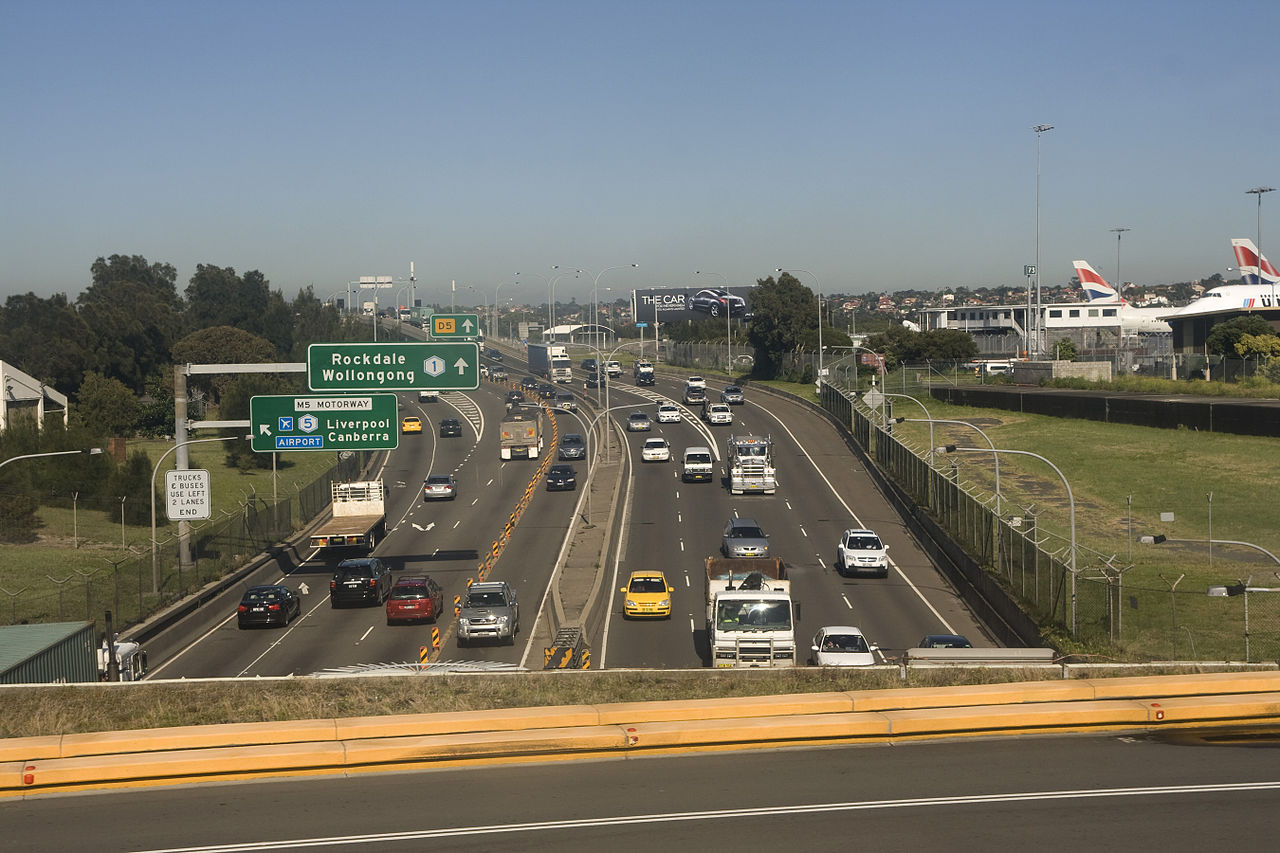


Characteristics and main components
Most overpasses share basic elements: a deck that supports the traffic, bearings that transfer loads to piers or abutments, vertical supports (piers or columns), abutments at each end, and safety barriers or parapets. Materials vary: reinforced concrete and structural steel are typical for vehicular overpasses; timber and prefabricated composites may be used for pedestrian crossings.
Types and common forms
- Vehicular overpasses—carry roads over highways, railways, or rivers.
- Pedestrian overpasses—allow people to cross safely above traffic.
- Rail overpasses—enable tracks to pass over roads or other lines.
- Flyovers and ramps—curved overpasses within interchanges that route turning traffic without stops.
- Viaducts—a series of spans that traverse valleys, other roads, or built-up areas.
Design decisions balance load capacity, headroom under the structure, approach slopes, sightlines, and cost. Drainage, expansion joints and seismic detailing are important in many climates.
Historically, the spread of railways and later high-speed road networks in the 19th and 20th centuries drove wider adoption of overpasses to reduce collisions and congestion. In modern planning, overpasses are used to separate conflicting movements, improve public transport reliability, and provide disabled access where appropriate.
Benefits include improved safety, reduced travel time, and more efficient freight movement. Downsides to consider are higher construction and maintenance costs, visual impact, and potential land-take. Regular inspection for corrosion, fatigue and structural movement is routine to ensure long-term performance.
Distinctions: an overpass carries traffic over another route, whereas an underpass passes beneath it; a viaduct is a long series of spans; and an interchange is a compound arrangement of ramps and overpasses that manages multiple traffic movements without traffic signals.
Related articles
Author
AlegsaOnline.com Overpass: purpose, types, design and role in transportation Leandro Alegsa
URL: https://en.alegsaonline.com/art/73733