
Civilian (in armed conflict)
A civilian is a person not belonging to armed forces or fighting groups; this article explains legal protections, distinctions from combatants, historical development, and practical issues in war.
Overview
A civilian is a person who is not part of a country's armed forces or organized armed groups. In the context of armed conflict the term typically refers to those who do not take part in hostilities and therefore are not lawful military targets. The concept appears in the law of armed conflict and related humanitarian instruments to distinguish non‑combatants from active fighters. See discussions of time of war, membership in the military and affiliation with other fighting groups for how the label is applied.
Image gallery
2 Images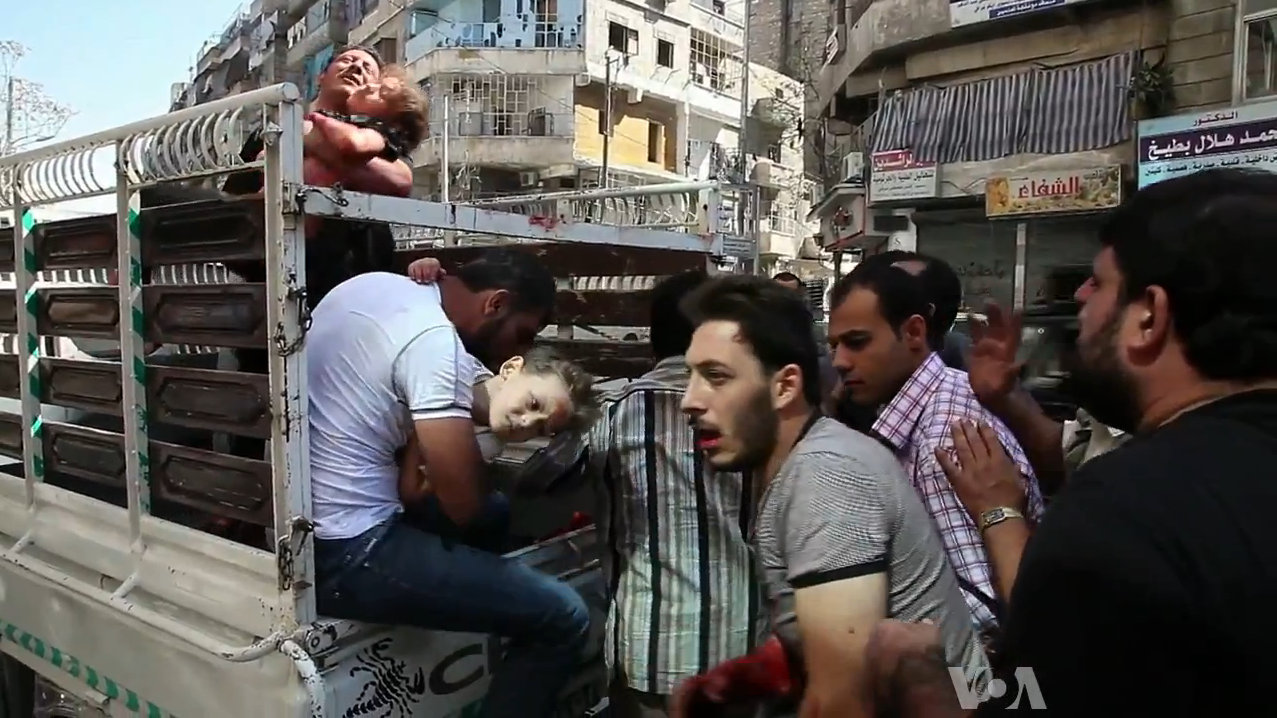

Legal status and protections
Under the accepted laws of war, civilians enjoy protections intended to reduce suffering in armed conflict. They are not combatants like soldiers or other combatants who may lawfully fight. Core guarantees include immunity from direct attack, special rules for treatment during occupation, and protections for detained persons. These protections are part of broader international law frameworks and are reflected in treaties such as the Fourth Geneva Convention, while issues relating to captured fighters and prisoners are addressed in the Third Convention and related instruments; civilian detainees and prisoners are distinct categories.
Key characteristics and limits
- Civilians do not have combatant's privilege and are protected against being targeted.
- Protection is not absolute: direct participation in hostilities can forfeit protection for the duration of such participation.
- Civilians retain rights under humanitarian and human rights law, shaped by humanitarian principles and prevailing doctrines.
Historical development
The modern civilian concept evolved alongside codified rules designed to limit war's effects on non‑combatants. Early customs and treaties set precedents, but the systematic protection of civilians grew markedly during the 19th and 20th centuries with developments in international humanitarian law. The Geneva Conventions and their additional protocols formalized many of the present distinctions and obligations that states and parties to conflict are expected to observe.
Practical issues and examples
Complex situations arise in contemporary conflicts: insurgencies, occupations, and internal disturbances blur lines between combatants and civilians. People who take up arms sporadically may be described as partisans or irregular fighters, and their status for protection and possible prosecution depends on their actions and command structure. Rules on proportionality, distinction and precaution seek to reduce civilian harm, but implementing them in asymmetrical warfare presents practical and legal challenges.
Notable distinctions and evolving debates
Important distinctions include protected civilians versus lawful combatants, the status of those hors de combat, and how civilian objects differ from military objectives. Debates continue about the scope of "direct participation in hostilities", the treatment of dual‑use facilities, and accountability for violations that harm civilians. Understanding these distinctions is essential for legal assessment, military planning, humanitarian response and the protection of human life in armed conflicts.
For further examination of these topics consult specialized legal analyses and the primary texts of the Geneva Conventions via the indicated references and resources.
Related articles
Author
AlegsaOnline.com Civilian (in armed conflict) Leandro Alegsa
URL: https://en.alegsaonline.com/art/20610