
Federal Aviation Administration (FAA)
U.S. federal agency that regulates civil aviation, manages air traffic, issues certifications and promotes aviation safety, established by the Federal Aviation Act and part of the Department of Transportation.
The Federal Aviation Administration (FAA) is the U.S. federal agency responsible for regulating and overseeing civil aviation within the United States. Created by the Federal Aviation Act of 1958 as the Federal Aviation Agency and renamed when it became part of the U.S. Department of Transportation in 1967, the FAA develops safety standards, issues certificates for aircraft and airmen, and operates the national air traffic control system.
Image gallery
10 Images

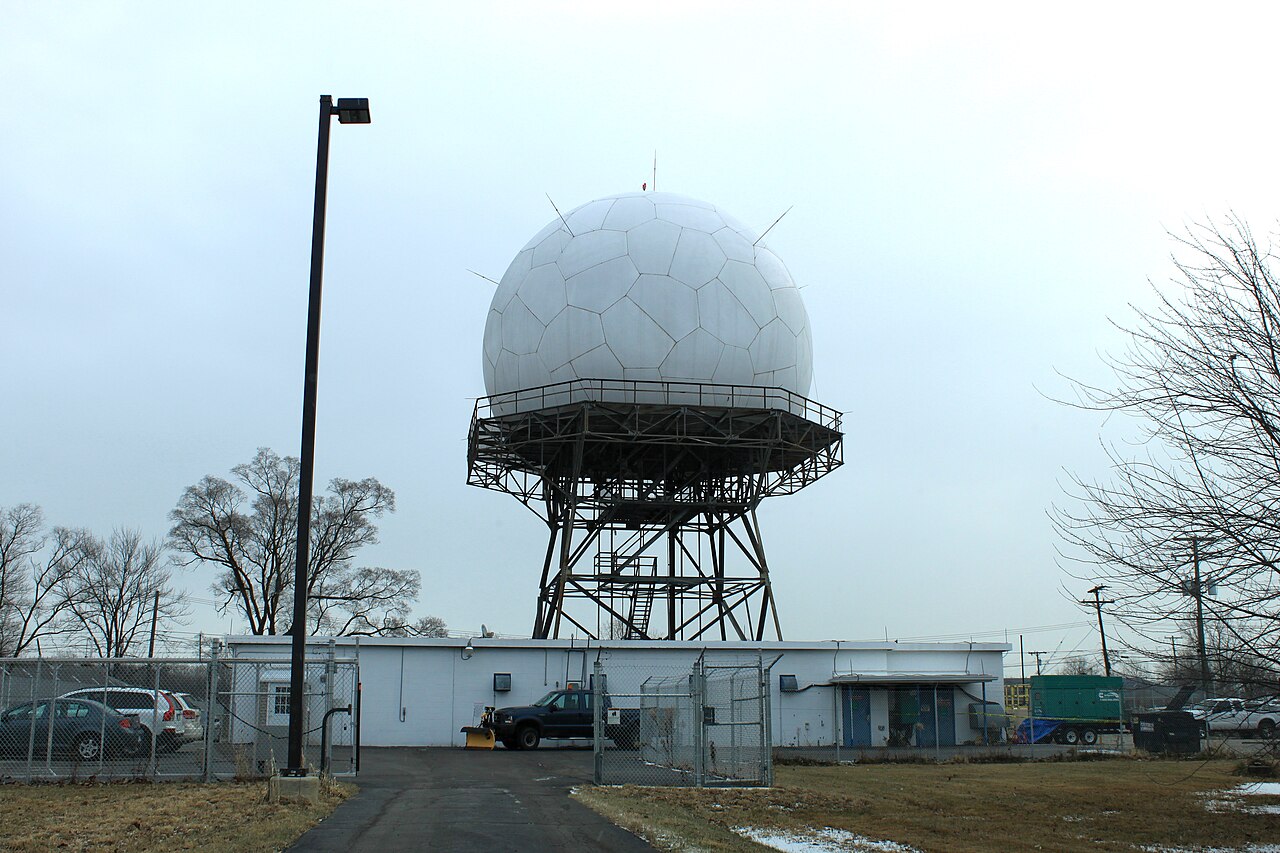


Primary responsibilities
- Managing and operating the national air traffic control network and flight information services.
- Certifying aircraft, engines and avionics equipment for airworthiness.
- Issuing and regulating pilot, mechanic and air carrier certifications and training standards.
- Setting and enforcing safety regulations for aircraft operations and airports.
- Overseeing research, development and modernization programs for navigation and communications.
- Regulating commercial space transportation activities in U.S. airspace.
FAA responsibilities are implemented through organizational units such as the Air Traffic Organization (ATO), Aviation Safety Offices, Flight Standards Service and the Office of Airports. The Administrator, appointed by the President and confirmed by the Senate, provides executive leadership while regional and field offices carry out inspections, certifications and operational oversight across the country.
Historically, the FAA was created in reaction to a rapid expansion of civil aviation and safety concerns in the 1950s. Over subsequent decades it has adapted to changes in technology and traffic volume. Major modernization efforts—commonly grouped under programs such as NextGen—seek to move the national system from ground-based to satellite-based navigation, improve surveillance through ADS-B, and introduce performance-based procedures to increase capacity and safety.
The FAA is widely regarded as one of the most influential civil aviation authorities worldwide. It collaborates with international bodies and national regulators to harmonize standards, share safety data and recognize certifications. For example, it works with the U.S. Department of Transportation (DOT) and coordinates with counterparts such as the European Aviation Safety Agency on cross-border regulatory matters and technical cooperation.
For the public and industry, the FAA provides guidance materials, rulemaking dockets, safety alerts and advisory circulars. While it sets and enforces regulations, accident investigations in the United States are handled independently by the National Transportation Safety Board (NTSB); the FAA implements resulting recommendations when appropriate. Additional resources, regulatory texts and contact information are available through official channels and agency publications.
Related articles
Author
AlegsaOnline.com Federal Aviation Administration (FAA) Leandro Alegsa
URL: https://en.alegsaonline.com/art/33827