
Miami International Airport: Florida’s principal international gateway
Comprehensive overview of Miami International Airport: history, layout, role as a passenger and cargo gateway to Latin America and the Caribbean, ground connections, airlines, and notable facts.
Overview
Miami International Airport is the largest airport in the U.S. state of Florida and a major international gateway for travel and commerce between North America, Latin America and the Caribbean. Serving a mix of leisure travelers, business passengers and freight customers, the facility functions as a primary hub in the region and plays a central role in the local economy. For official information, see the Miami International Airport official site.
Image gallery
10 Images

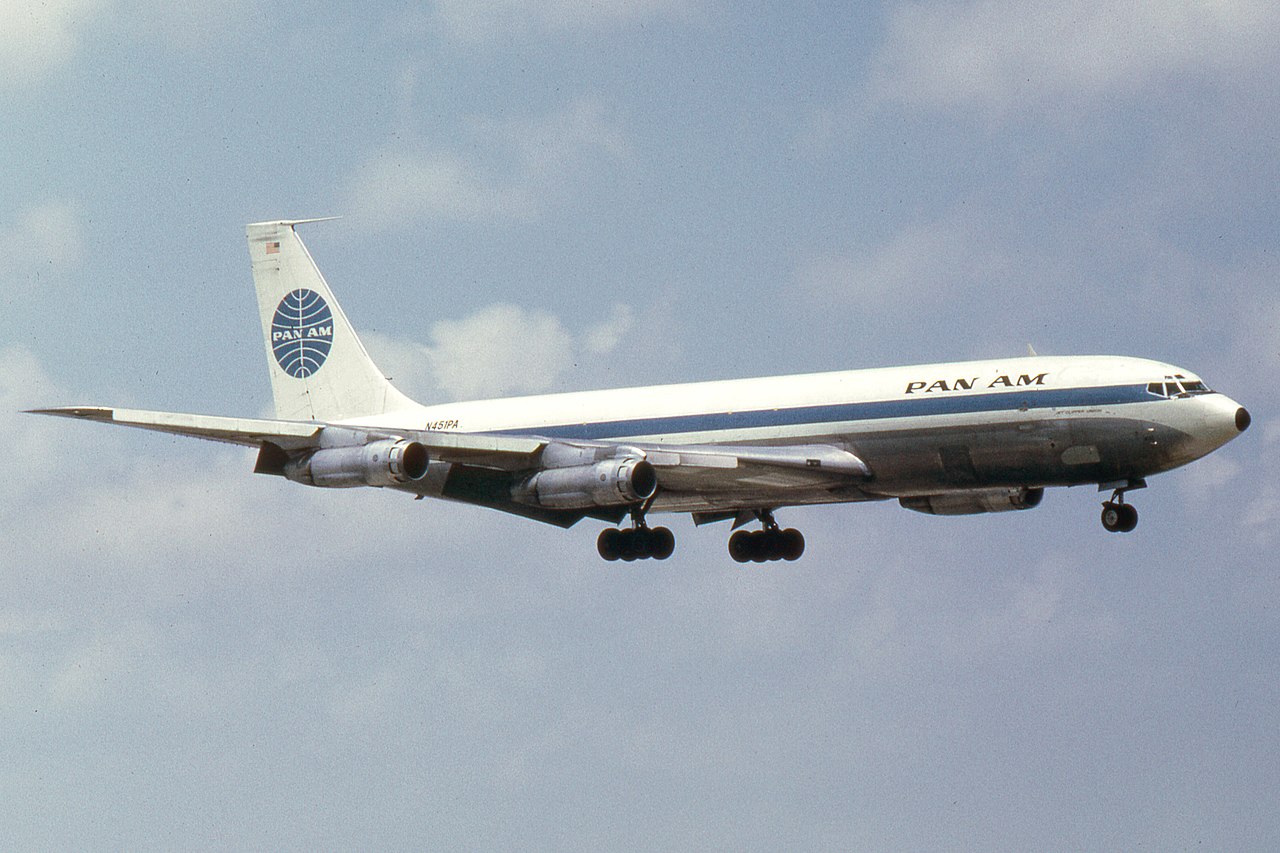


Origins and development
The airport began as a municipal landing field known historically as Wilcox Field and expanded over many decades from a modest local airstrip into a full-service international airport. Growth followed the rise of commercial aviation, the expansion of international routes, and the region's increasing population and tourism. Incremental runway, terminal and cargo-area developments have adapted the site to evolving aircraft types and traffic patterns.
Layout and facilities
The airport consists of multiple terminals and concourses designed to separate domestic, international and connecting operations while supporting large volumes of transfer traffic. Passenger amenities include ticketing and check-in halls, customs and immigration facilities, lounges and a range of retail and dining options. Extensive cargo terminals handle perishables, pharmaceuticals and other freight that moves between the United States and the Americas.
- Terminals and concourses configured for efficient connections and international processing.
- Dedicated cargo complexes serving airline freighters and logistics providers.
- Support services such as maintenance, ramp operations and ground handlers.
As one of the busiest airports in the United States, it appears on industry lists and rankings; see a reference list of major U.S. airports for context here.
Role, airlines and routes
The airport serves as a principal hub for major carriers and a focus city for others, providing extensive scheduled service to destinations across the Americas, Europe and beyond. Its route network includes short-haul flights to nearby islands and long-haul connections to intercontinental markets. The airport's position fosters both point-to-point travel and high volumes of connecting passengers.
Ground transport and future plans
Ground access combines highway links, airport shuttles and connections to regional public transit, enabling travelers to reach downtown Miami, suburban counties and nearby tourist areas. Ongoing modernization and expansion projects aim to improve terminal capacity, passenger experience and environmental performance while updating infrastructure to meet future demand.
Notable facts
- Historically known as Wilcox Field.
- Recognized as Florida's largest airport by passenger activity and physical extent.
- Important cargo gateway for trade with Latin America and the Caribbean, especially for perishable goods.
- Serves a diverse traveler base influenced by the region's cultural and economic links to the Americas.
The airport remains a dynamic transport hub, balancing airline operations, freight handling, and infrastructure upgrades to support the travel and trade needs of a globally connected region.
Questions and answers
Q: What is Miami International Airport (MIA)?
A: Miami International Airport (MIA) is the largest airport in passenger and size terms in the US state of Florida.
Q: What was the historic name of Miami International Airport?
A: The historic name of Miami International Airport was Wilcox Field.
Q: Why is Miami International Airport one of the busiest airports in the United States?
A: Miami International Airport is one of the busiest airports in the United States mainly because of Miami's closeness to all of Florida's tourist attractions, the city's economic activity, and its large Latin American and European population.
Q: What is the significance of Miami's location in terms of the airport's popularity?
A: Miami's location plays a significant role in the airport's popularity as it is close to all of Florida's tourist attractions.
Q: What are some of the factors that contribute to Miami International Airport's popularity?
A: The city's economic activity, its large Latin American and European population, and its proximity to Florida's tourist attractions contribute to Miami International Airport's popularity.
Q: What position does Miami International Airport hold among the largest airports in the US?
A: Miami International Airport holds the position of being the largest airport in passenger and size terms in the US state of Florida.
Q: How important is Miami International Airport in terms of air travel in Florida?
A: Miami International Airport is an extremely important airport in terms of air travel in Florida, being one of the busiest airports in the United States.
Related articles
Author
AlegsaOnline.com Miami International Airport: Florida’s principal international gateway Leandro Alegsa
URL: https://en.alegsaonline.com/art/64399
Sources
- miami-airport.com : "United States Airlines Serving MIA - Miami International Airport"
- miami-airport.com : "Foreign Airlines Serving MIA - Miami International Airport"
- miamiherald.com : "Scandinavian Airlines starting Miami service in 2016"
- miamiherald.com : "Turkish Airlines announces Miami-Istanbul service"
- worldairlinenews.com : "VivaColombia is coming to Miami"
- wikidata.org : wikidata.org/wiki/Q127530
- id.loc.gov : n50075033
- viaf.org : 134839834
- worldcat.org : lccn-n50075033