
Passenger — definition, types, rights, and safety in transport
An overview of what constitutes a passenger, common categories, legal and safety considerations, and distinctions from crew or drivers across road, rail, air and sea transport.
Overview
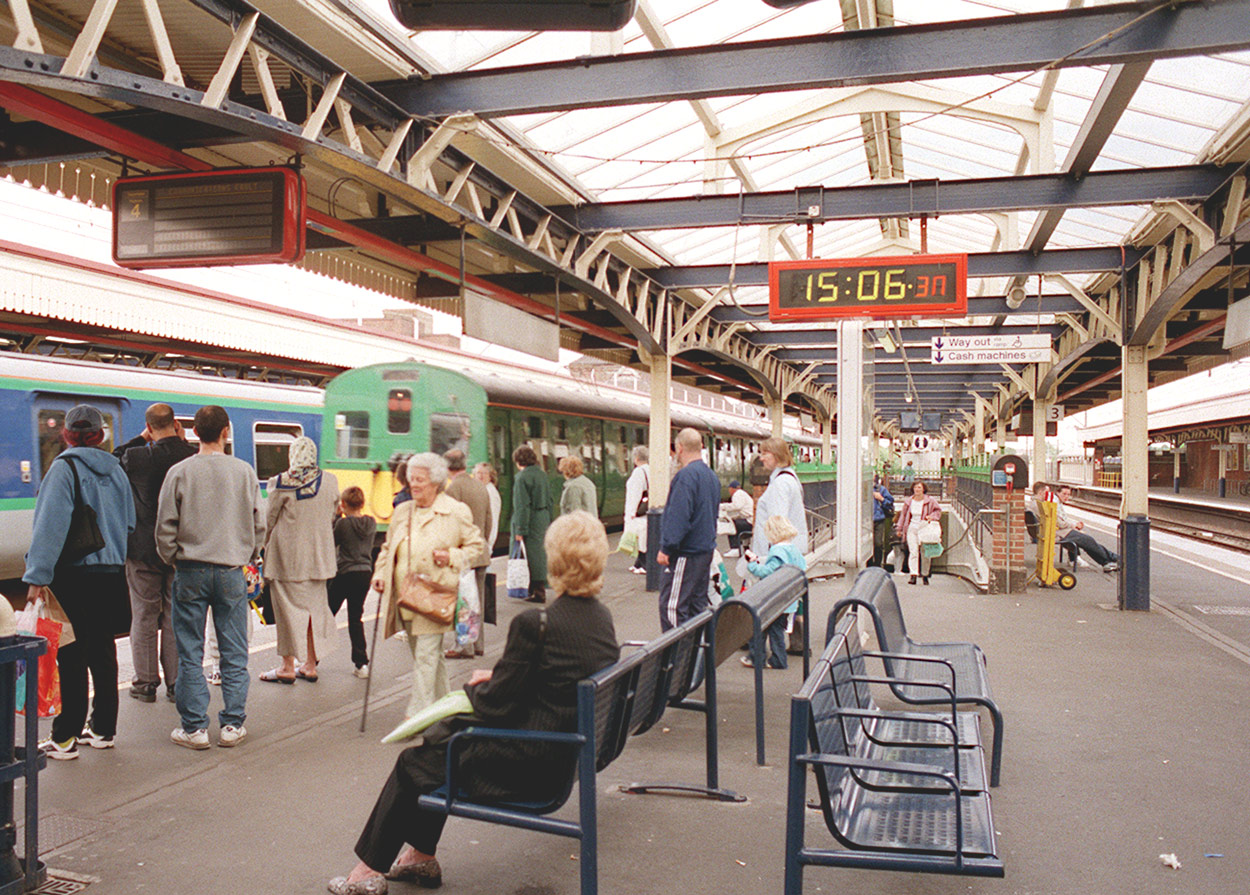
A passenger is a person who travels in a vehicle but is not the operator or a member of the working crew. The term applies broadly across modes of transport and to people who ride whether they pay a fare or not. The basic concept of a vehicle-based traveller appears in everyday language, transport law and the planning of services.

Image gallery
7 Images



Common categories and characteristics
Passengers are commonly grouped by mode and by fare status. Typical categories include:
- Private-ride passengers: occupants of cars (cars) or small vans (vans), whether giving or receiving a ride as a favour or as part of a shared-service arrangement.
- Public-transport passengers: individuals who purchase a seat or space on buses (buses), trains (trains), aircraft (aircraft) or ships (ships).
- Special-needs or assisted passengers: those requiring mobility support, unaccompanied minors, or passengers with service animals.
Legal status, rights and obligations
Across jurisdictions, the organisations that operate transport services and their staff have duties toward passengers. These may include basic safety, non-discrimination, reasonable assistance, and adherence to advertised schedules and routes. Passengers themselves are usually required to follow vehicle rules and any fare or ticketing conditions. The legal framework for these relationships is often described in statutes and regulations, service terms and international conventions.
Safety, responsibilities and common practices
Safety considerations focus on both prevention and response. Operators train crews and maintain equipment; passengers are encouraged to use seat belts where fitted, follow crew instructions, and report hazards. In aviation and maritime contexts, cabin crew and ship personnel manage safety procedures; they are not classed as passengers but as crew. Information on passenger procedures and emergency protocols is normally provided in stations, terminals and on-board announcements.

History, planning and societal importance
The concept of passengers has evolved with transport technology and urban development. From early stagecoaches and ferries to modern rapid transit and commercial aviation, the growth of passenger travel has shaped infrastructure, regulation and the economy. Urban planners and transport authorities analyse passenger flows to design routes, schedules and capacity to meet demand. Fare systems, ticketing technology and accessibility measures continue to change how passengers interact with services.
Distinctions and notable facts
Not every occupant of a vehicle is a passenger in the same sense: the driver is treated separately, and onboard staff performing duties are considered crew. Whether someone is a paying customer, a ticketed traveller, a guest, or a hitchhiker, local rules and service contracts determine rights and liabilities. For more general definitions and practical guidance, see resources on public transport and traveller information provided by operators and authorities via public transport portals and traveler guides.).
For further reading and mode-specific information visit operator guidance for road, rail, air and sea transport: bus services, train networks, air travel and maritime travel. Additional resources include vehicle safety standards (vehicle safety), shared-mobility guidance (cars, vans) and policy documents on passenger rights (legal frameworks). For crew-passenger distinctions and service responsibilities see material on crew roles and operational duties.
Useful links for practical traveller information and scheduling are available through transit authority pages and ticketing services: vehicle information, public transport resources, and operator advisories (road, bus, rail, air, sea). These sources explain current practices, safety recommendations and passenger assistance options.
Related articles
Author
AlegsaOnline.com Passenger — definition, types, rights, and safety in transport Leandro Alegsa
URL: https://en.alegsaonline.com/art/74934