
Outboard motor: design, types, history and uses
Portable propulsion unit mounted on a boat’s transom. Covers construction, gasoline and electric variants, history, common uses, maintenance and distinctions between outboards and other marine engines.
Overview
An outboard motor is a self-contained propulsion unit mounted outside a boat’s hull, typically on the transom. It combines an engine, gearbox and propeller or jet drive in a single removable package, giving small and medium craft reliable forward and reverse thrust. Outboards free many boats from reliance on sails or manual propulsion such as oars, and they are used across recreational, commercial and emergency applications. For basic information on marine craft that commonly use outboards see related resources.
Image gallery
7 Images


Design and main parts
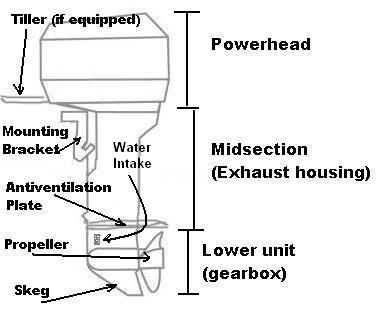
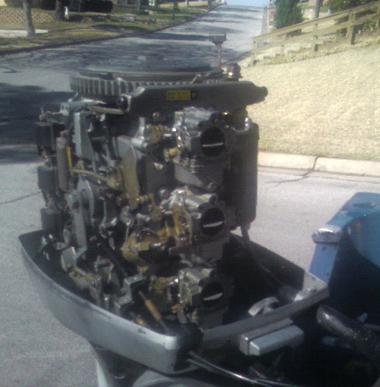
Most outboards share a similar arrangement: an upper cowling that houses the powerplant, a midsection with steering and tilt mechanisms, and a lower unit containing the gearbox and propeller. Key components include:
- Powerplant: internal combustion engine or electric motor.
- Drive shaft and gearbox: transmits torque to the propeller and provides forward/reverse.
- Steering and tilt: allows directional control and lifting the motor for shallow water.
- Controls: throttle, shift and often an integrated gauge cluster or electronic interface.
Types and fuels
Traditional outboards have used two- or four-stroke gasoline engines. Modern four-stroke designs improved fuel efficiency and emissions. Diesel outboards are rare but exist for specific commercial uses. Electric outboards, powered by batteries and an electric motor, have grown in popularity for quiet operation and zero local exhaust; manufacturers now offer a range of electric units suited to tenders, fishing boats and urban waterways. For a primer on electric options see electric outboard resources.
History and development
Outboards emerged in the late 19th and early 20th centuries as small internal combustion engines became practical for marine use. Early models were simple and unreliable compared with modern units, but incremental advances in metallurgy, carburation, ignition systems and electronic controls produced compact, dependable motors that transformed small-boat operation.
Uses, operation and maintenance
Outboards are used for fishing, leisure, tendering larger ships, law enforcement and rescue. Their removable nature simplifies winter storage and repair. Routine care includes flushing cooling passages, checking lower-unit oil, inspecting propellers and following fuel system maintenance. Electric units require attention to battery care and charging. Distinctions to note: outboards are externally mounted and removable, whereas inboard engines are housed within the hull and often paired with a separate stern drive or shaft.
Related articles
Author
AlegsaOnline.com Outboard motor: design, types, history and uses Leandro Alegsa
URL: https://en.alegsaonline.com/art/73646