
Airline hub: purpose, operation, and role in the network
An airline hub is an airport an airline uses as a transfer and routing center within a hub-and-spoke network. This entry explains how hubs work, their advantages and drawbacks, and how they differ from other network nodes.
Airline hub describes an airport an airline designates as a central transfer point where passengers and cargo are routed between flights. Hubs concentrate many arrivals and departures so travelers from smaller cities (spokes) can connect to a wide range of destinations without direct nonstop service from every origin to every destination.
Image gallery
5 Images


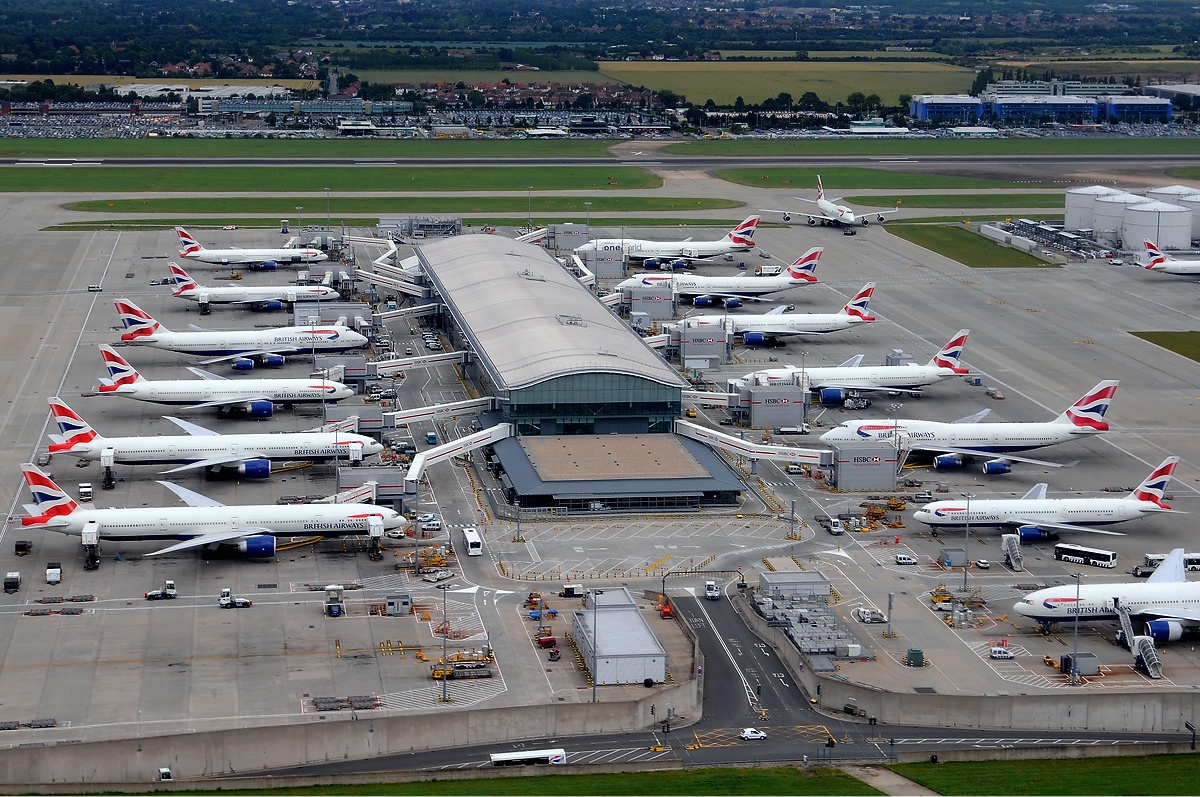
How the hub model works
The hub-and-spoke structure contrasts with point-to-point routing. Airlines schedule groups of inbound flights to arrive in a coordinated period, allow connections, then dispatch outbound flights in a subsequent wave. This wave or "bank" scheduling optimizes aircraft use and increases the number of possible connections for passengers.
Operational elements include feeder or regional flights that bring passengers from spoke airports, gate and ground logistics to enable quick transfers, and timed banks to limit connection times. Carriers may operate a single primary hub, several regional hubs, or a mix of hubs and focus cities depending on market strategy and geography.
Advantages and disadvantages
- Advantages: greater network connectivity with fewer routes, higher passenger loads, efficient fleet utilization, and centralized facilities for maintenance and customer service.
- Disadvantages: congestion and delay propagation when problems occur, dependence on a few airports that can be disrupted by weather or strikes, and sometimes longer overall travel times for through passengers.
Hubs vary in scale and role: international gateway hubs serve long-haul global traffic and transfer passengers between continents, while domestic or regional hubs primarily support short- and medium-haul connections. Airlines often develop hub infrastructure such as transfer corridors, dedicated lounges, and coordinated ground handling to speed turnarounds.
Historically, the hub model became widespread in the late 20th century as carriers sought to expand destinations efficiently after regulatory changes and market liberalization. Some low-cost carriers have favored point-to-point services to reduce complexity, but major network carriers continue to rely on hubs, often in combination with alliances and code-share partnerships to extend reach.
For further reading about airports in general see airport resources, and for airline business models consult materials on network planning and airline operations.
Questions and answers
Q: What is an airline hub?
A: An airline hub is an airport that an airline uses as a transfer point to get passengers to their intended destination.
Q: What is the "hub and spoke model"?
A: The "hub and spoke model" is a system where an airline uses a central hub airport to connect flights to various spoke airports.
Q: How many hubs do some airlines use?
A: Some airlines may use only a single hub.
Q: Do all airlines use multiple hubs?
A: No, not all airlines use multiple hubs.
Q: Why do airlines use hubs?
A: Airlines use hubs to streamline their operations and provide a convenient transfer point for passengers.
Q: Can passengers fly direct to their destination from a hub airport?
A: Yes, some passengers may fly direct to their destination from a hub airport.
Q: Are hub airports always located in a city where the airline is based?
A: No, hub airports are not always located in a city where the airline is based, but they are strategically chosen for their location and connectivity.
Related articles
Author
AlegsaOnline.com Airline hub: purpose, operation, and role in the network Leandro Alegsa
URL: https://en.alegsaonline.com/art/1696
Sources
- aircanada.com : "Industry Overview and Competitive Environment,"