
Onryō: Vengeful Spirits of Japanese Folklore, Theater, and Film
Onryō are vengeful spirits in Japanese tradition—often wronged women—who return from the spirit world to seek retribution. Their image shaped theater and modern horror cinema.
Overview
Onryō (怨霊) are a class of vengeful spirits in Japanese belief, usually understood as those who return from the realm of the dead to the living world to right perceived wrongs or to inflict revenge. The term is often used alongside the broader category of yūrei (幽霊), or ghosts, but onryō specifically emphasizes resentment and the desire for retribution. Popular narratives and visual culture have made the onryō one of the most recognisable figures in Japanese ghost lore.
Image gallery
6 Images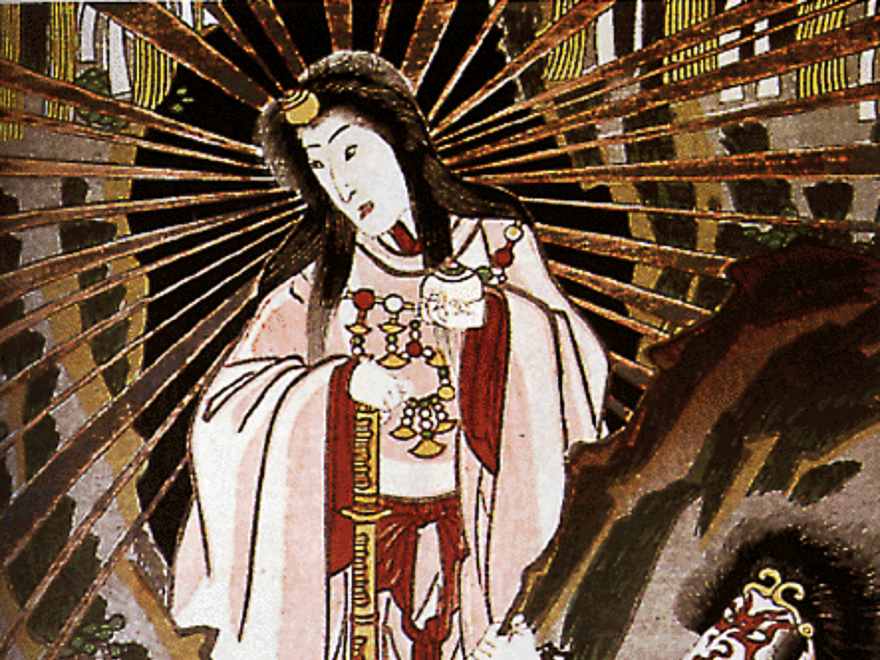


Spiritual context and origin
Traditional Japanese cosmology posits a separation between the living and the dead, with intermediate stages or places where spirits may linger. Some spirits, particularly those who died violently or unfairly, are thought to be unable to move on and instead return, driven by strong emotions such as anger, sorrow, jealousy or unresolved love. Sources of such feelings are often interpersonal injustices, betrayal, murder or neglect. While the idea of vengeful revenants exists in many cultures, the onryō occupies a notable place in Japanese religious and folk narratives.
Appearance and theatrical conventions
There is no single canonical appearance for an onryō in folklore, but theatrical and visual arts established a recognisable iconography. During the Edo period, Kabuki theatre popularised a stylised costume and makeup for ghost characters: a white burial kimono, long loose black hair, pale or white-faced makeup often with bluish or purple shading to suggest the dead, and flowing movements that suggest otherworldliness. These conventions helped standardise how audiences visualise an onryō, and they were adapted into later artistic forms.
Stories, examples and modern media
Classic Japanese ghost stories featuring vengeful spirits—such as the tales of Oiwa from Yotsuya Kaidan and Okiku from Banchō Sarayashiki—have been retold in theater, print and film for centuries. In the late 20th century, cinema revived and reshaped the image of the onryō for global audiences. Films drawing on onryō motifs have emphasised slow, eerie movements, pale faces and sudden appearances, influencing the look of modern horror. Contemporary works sometimes blend traditional motifs with new settings and psychological themes.
Distinctions and cultural significance
Not every ghost in Japanese stories is an onryō. The broader category of yūrei may include benign or confused spirits, protective ancestors, and other manifestations. Onryō are distinguished by their vengeful intent. Although many famous onryō are female—reflecting social histories in which women could be vulnerable to abuse—male onryō also appear in theater and literature. The figure of the onryō continues to serve as a way to explore guilt, social harm, and justice in a cultural register that mixes religious belief, folklore and artistic expression.
Further reading and resources
- Introduction to Japanese folklore
- Ghosts and yūrei in Japan
- Kabuki theatre traditions
- Concepts of the afterlife: Yomi
- Ideas of hell and punishment
- Intermediate realms and purgatory
- Spiritual influences and return of the dead
- Emotions and spirits: anger, sorrow, love
- Costume elements for ghost roles
- Burial customs and white kimonos
- Traditional makeup and hair for yūrei
- Modern films influenced by onryō imagery
Related articles
Author
AlegsaOnline.com Onryō: Vengeful Spirits of Japanese Folklore, Theater, and Film Leandro Alegsa
URL: https://en.alegsaonline.com/art/72661