
Kabuki: Japan’s stylized classical theatre
Kabuki is a highly stylized form of Japanese theatre combining song, dance, elaborate costumes and makeup. It developed in the early 17th century and remains a living performing-art tradition.
Overview
Kabuki is a traditional Japanese stage art known for bold gestures, striking visual design and a mixture of drama, music and dance. Originating in the early 17th century, kabuki developed distinctive conventions that emphasize theatricality over realism. It is widely regarded as one of Japan’s major classical performance forms and is practiced by professional troupes that preserve long-established repertory and techniques.
Image gallery
10 Images





Characteristics
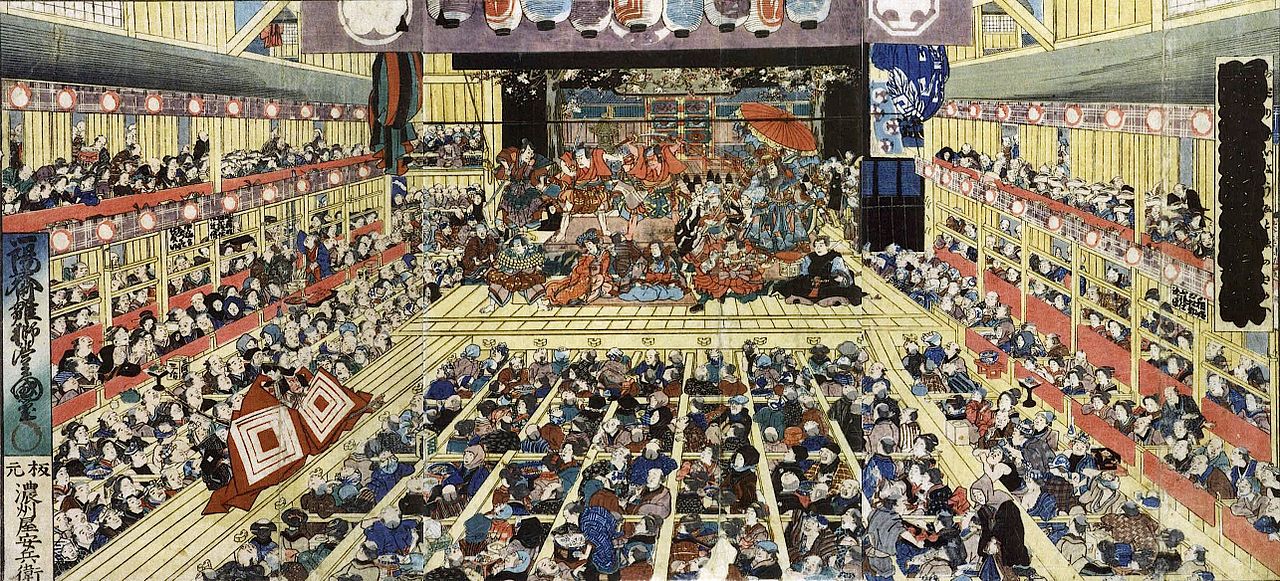
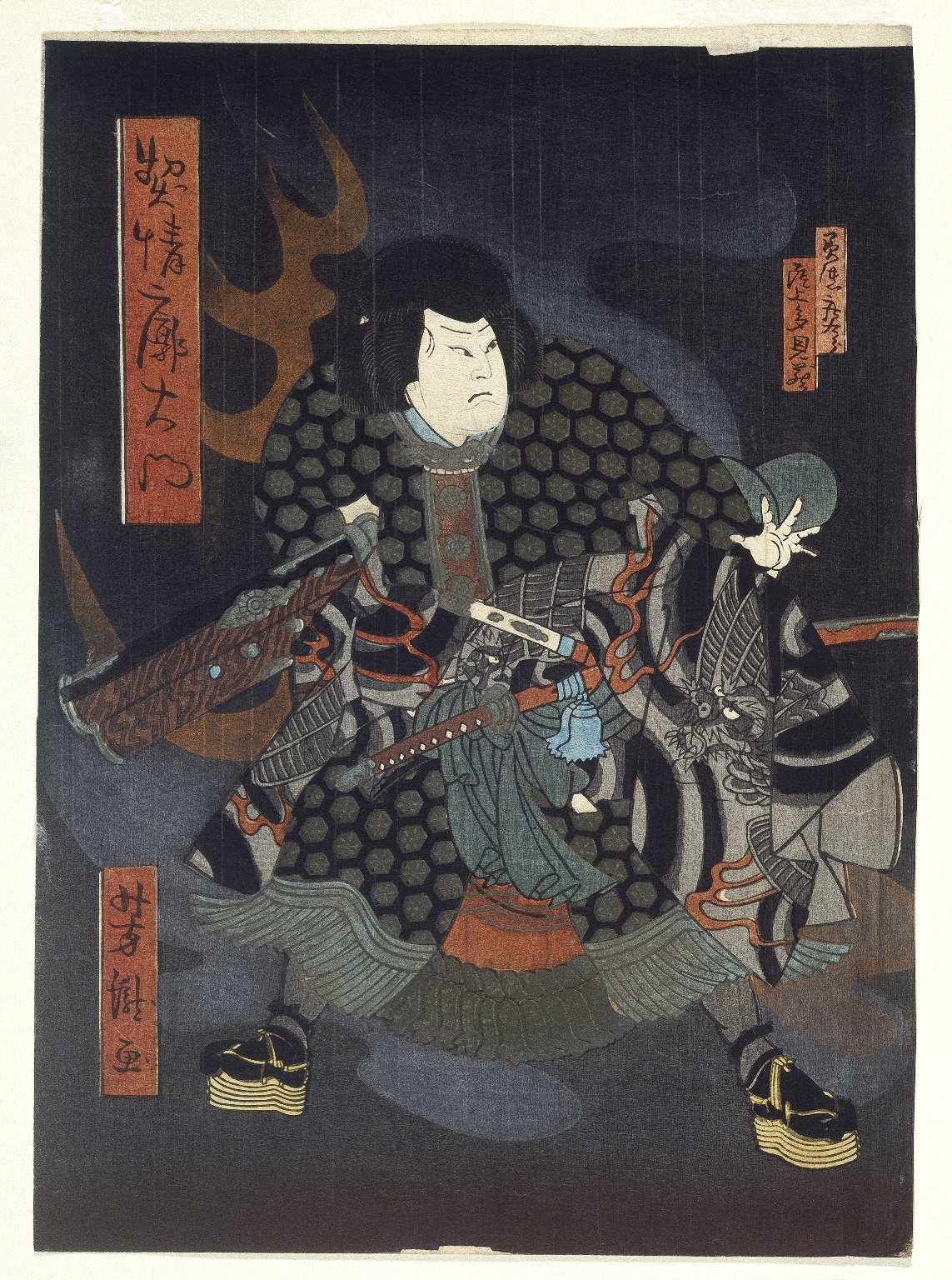
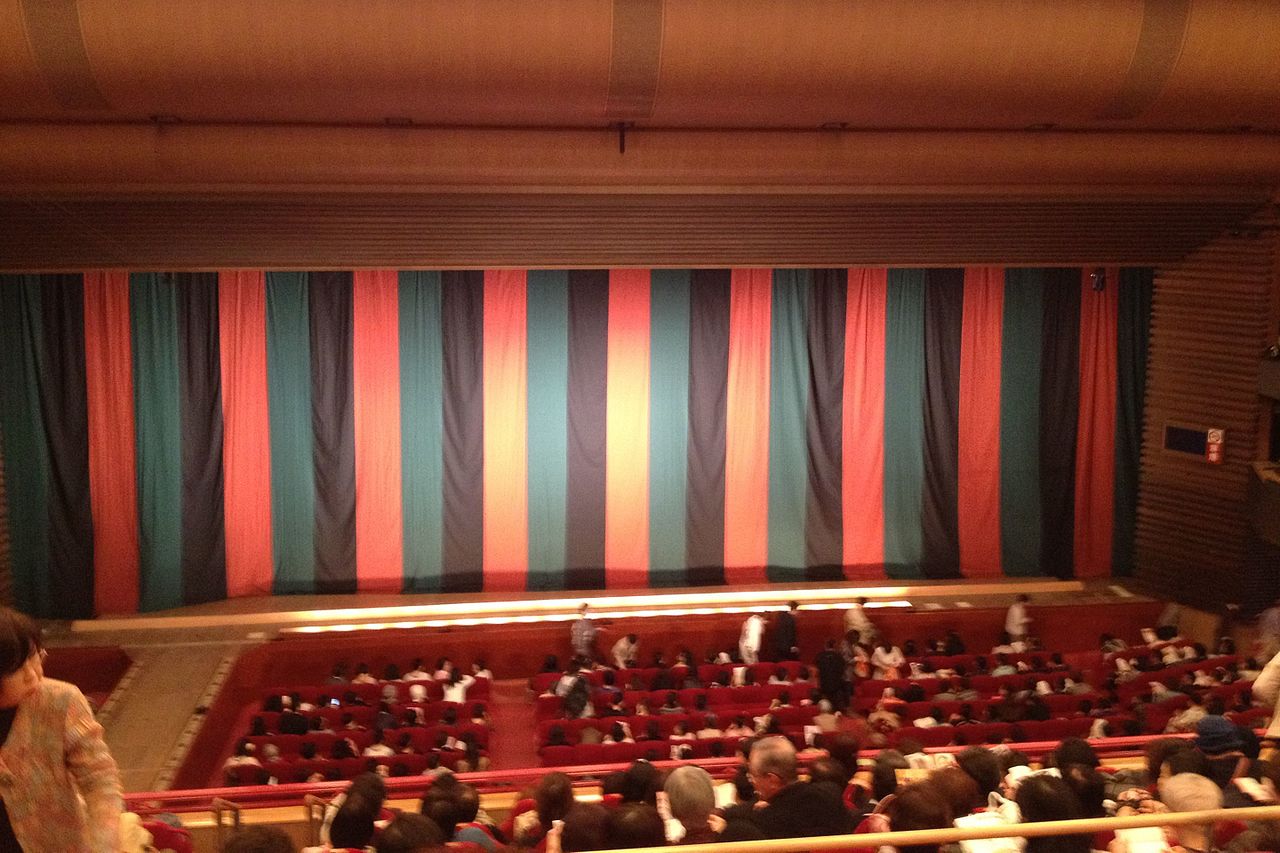
Audiences recognize kabuki for several signature features. Acting is highly stylized, with exaggerated poses (called mie) that fix a dramatic moment. Makeup and costume are central: actors wear painted faces and layered garments that signal character type, rank and emotion. Stage mechanisms such as the hanamichi (a runway through the audience), revolving platforms and trapdoors are used to create dynamic entrances and scene changes.
Performance elements
Music accompanies almost every movement; a small ensemble typically plays the shamisen along with percussion and flutes, while narrators and chorus may comment on the action. Kabuki performance is dominated by male actors. After women were gradually excluded from the stage in the early Edo period, male specialists called onnagata developed the art of playing female roles with stylized gestures and vocal technique.
Repertoire and styles
Plays fall into general categories, including historical dramas (jidai-mono) and contemporary domestic stories (sewa-mono). Some works are known for spectacular stagecraft and action scenes, while others focus on human relationships and social themes. Long-running family lines of actors and named roles preserve performance styles across generations.
History and cultural importance
Kabuki grew from popular entertainments in urban centers and evolved into a professional theatrical tradition with codified aesthetics. It has influenced other art forms and visual culture, and continues to attract both domestic and international audiences. The form has been recognized on international heritage lists for its cultural value; see the UNESCO list for more information.
Further notes
For background on kabuki's place among Japanese dramatic forms, see sources on traditional classical drama and historical discussions of kabuki's makeup and costume practices such as makeup traditions. Modern productions balance preservation with occasional innovations, ensuring kabuki remains a living, evolving art.
Questions and answers
Q: What is kabuki?
A: Kabuki is a traditional form of Japanese classical drama known for its stylized acting and elaborate makeup.
Q: How old is kabuki?
A: Kabuki started about 400 years ago.
Q: What does the word kabuki mean?
A: The word kabuki means "singing and dancing", and also means "to act strange and different, to be outside what is normal".
Q: Is kabuki supposed to look like real life?
A: No, the style of kabuki is not meant to look like real life.
Q: Why are people from around the world interested in kabuki?
A: People from around the world are interested in kabuki because it is a unique and fascinating part of Japan's cultural history.
Q: When was kabuki recognized by UNESCO?
A: Kabuki was recognized by UNESCO in 2006 as an important part of Japan's cultural history.
Q: What is kabuki known for?
A: Kabuki is known for its very stylized acting and the elaborate makeup worn by the actors.
Related articles
Author
AlegsaOnline.com Kabuki: Japan’s stylized classical theatre Leandro Alegsa
URL: https://en.alegsaonline.com/art/51846
Sources
- www2.ntj.jac.go.jp : "Kabuki means"
- web-japan.org : "Kabuki: A World Treasure"
- www2.ntj.jac.go.jp : "Hanamichi: The Kabuki Stage"
- shochiku.co.jp : "Kabuli-za home page"
- www2.ntj.jac.go.jp : "Kabuki repertoire"
- hkw.de : "Summer Festival:Mirror of Osaka"
- nytimes.com : "Currents: Shelter; Kabuki, Under a big top"
- sa.anu.edu.au : "Za Kabuki"