
Yomi — the Japanese underworld in Shinto myth
Yomi (黄泉) is the Shinto conception of the land of the dead, described in the Kojiki. It is a gloomy realm of decay and impurity distinct from Buddhist hells and linked to rites concerning death.
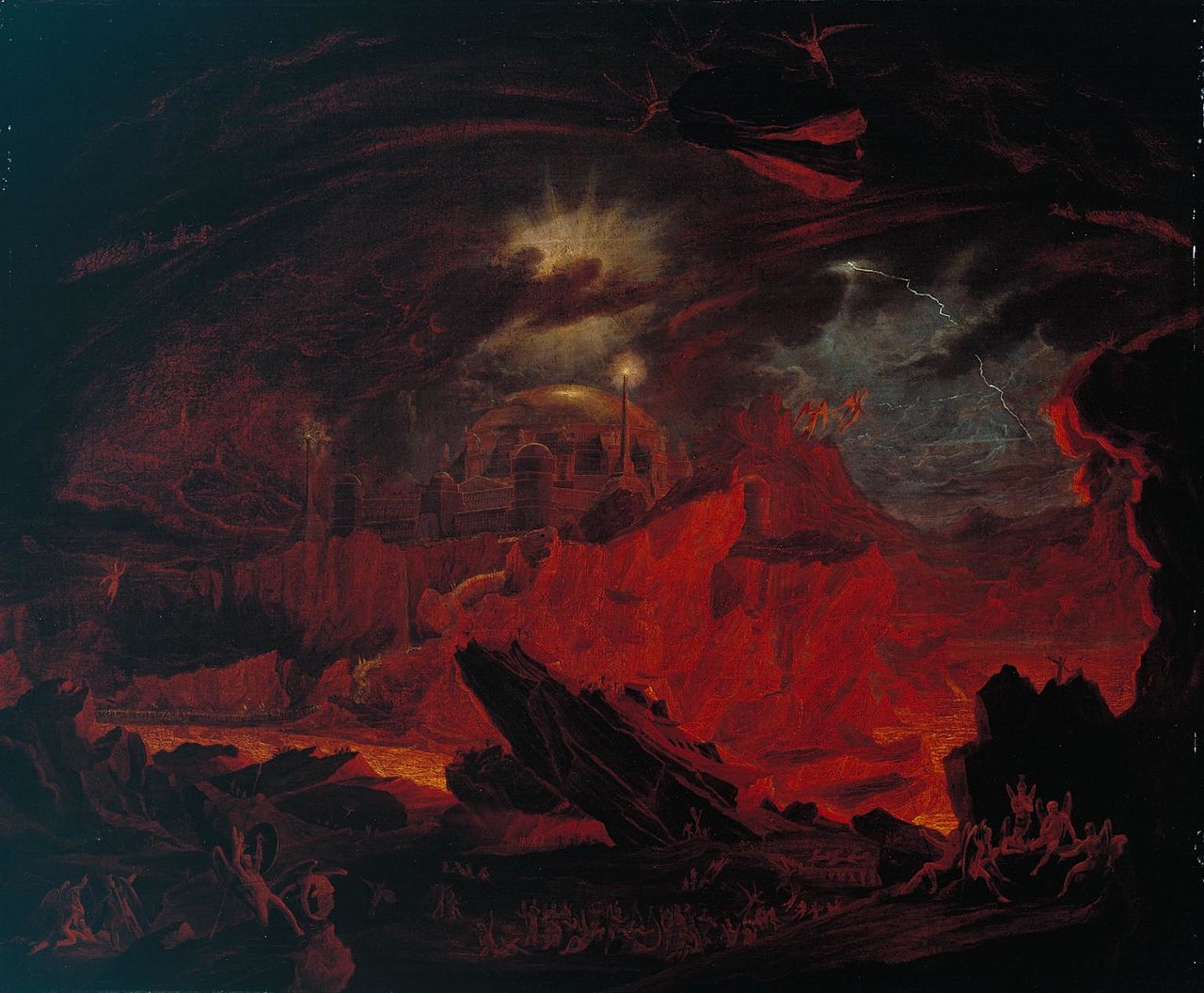
Yomi (黄泉) is the classical Japanese term for the underworld, the place where the dead dwell in a state of decay and darkness according to early Shinto narrative. The word appears in ancient chronicles and is most famously portrayed in the Kojiki, where the story of Izanami and Izanagi explains how a mortal connection to that world was broken. In modern descriptions it is often contrasted with later Buddhist ideas of punishment and reward.
Image gallery
6 Images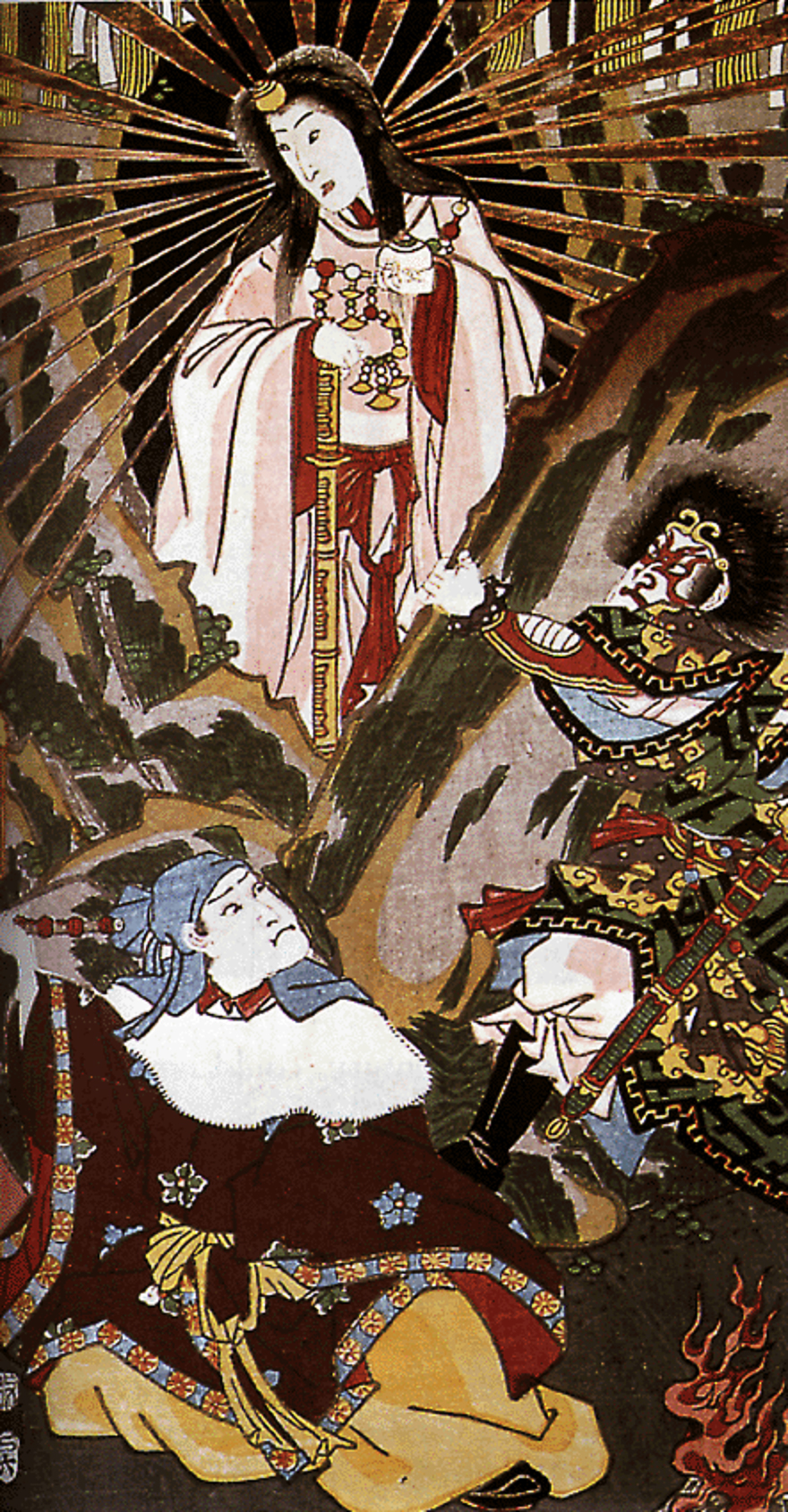

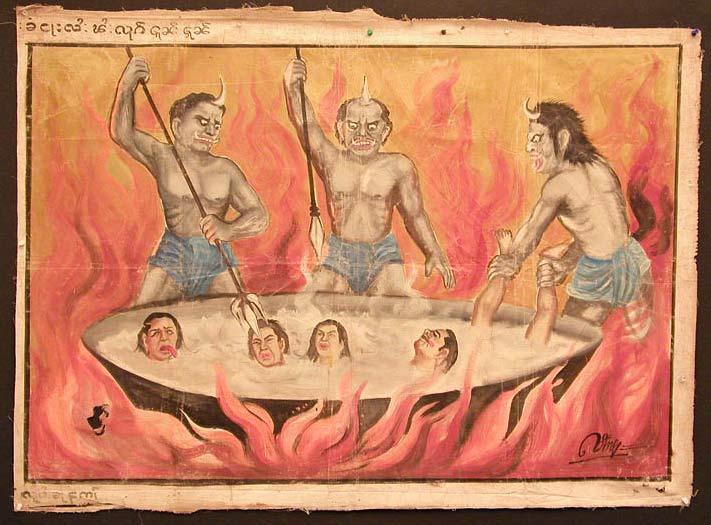
Mythic account
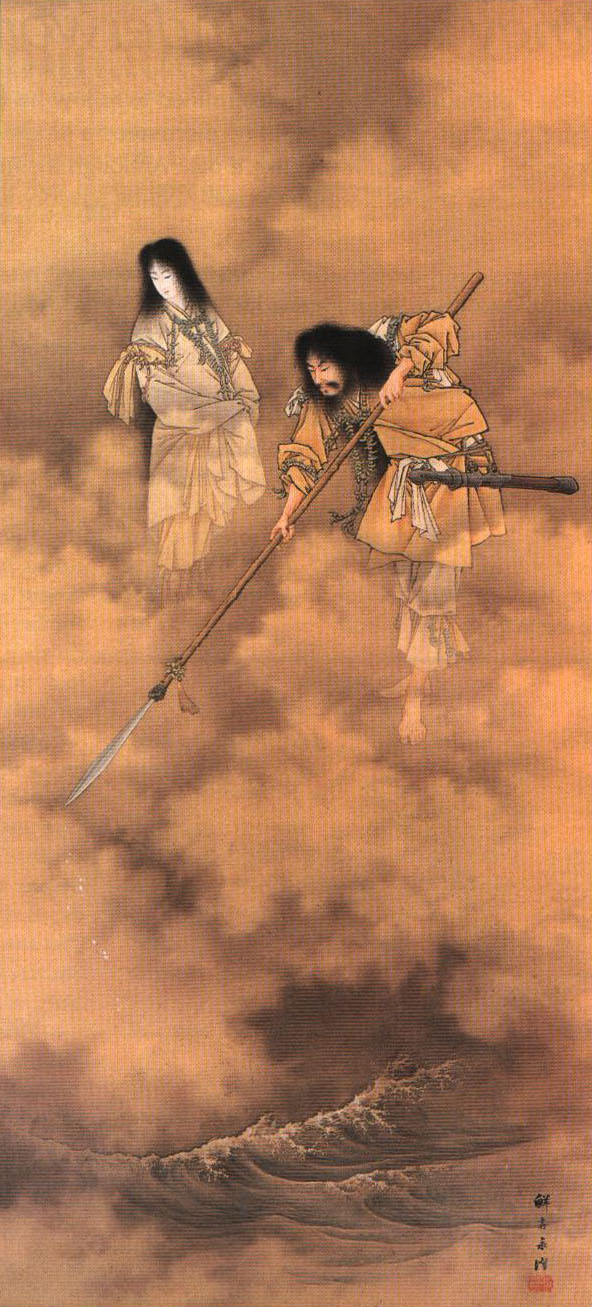
The central tale involving Yomi concerns the primordial deities Izanami and Izanagi. After Izanami dies giving birth to the fire god, she descends to Yomi. Izanagi follows to reclaim her, but when he discovers her corpse has already begun to rot he flees in horror. The fleeing, the pursuit, and the final sealing of Yomi’s entrance with a boulder explain why the living cannot return and introduce ritual themes about death and impurity.
Key motifs
- Irreversibility: eating the food of Yomi or witnessing the dead in their decayed state prevents return to the living world.
- Secrecy and taboo: entry to Yomi is forbidden and often associated with ritual impurity (kegare).
- Guardianship: in some accounts, monstrous or unpleasant spirits watch the thresholds and keep the dead from leaving.
Characteristics and functions
Yomi is portrayed as dark, stagnant, and undifferentiated rather than a place of moral judgment. Souls there exist in a diminished form; the realm emphasizes physical decay more than ethical recompense. In Shinto thought, contact with death creates ritual impurity requiring purification rites among the living, a social and religious response that shaped funerary practice.
Cultural context and distinctions
As a native concept, Yomi differs from Buddhist naraka and other afterlife models introduced later to Japan. While Buddhist hells are structured and punitive, Yomi is more an abode of loss and defilement than punishment. The term also appears in later literature and folk belief, sometimes blending with Buddhist and local ideas. For comparative study see broader treatments of Japanese cosmology and death rites in works on Shinto and on the Japanese language and culture (Japanese studies).
Notable facts
Yomi’s story has influenced religious practice, literature, and popular images of death in Japan. Its themes — the permanence of death, the necessity of purification, and the boundary between worlds — remain part of cultural conversations about loss and the sacred.
Questions and answers
Q: What is Yomi?
A: Yomi is the Japanese word for the underworld.
Q: What creatures guard the exits of Yomi?
A: According to Shinto mythology, horrible creatures guard the exits of Yomi.
Q: What happens when one eats at the hearth of Yomi?
A: When one eats at the hearth of Yomi it is impossible to return to the land of the living.
Q: Where do people go after they die according to Shinto mythology?
A: According to Shinto mythology as related in Kojiki, people go to Yomi after they die and exist there forever.
Q: Is there a way back from Yomi?
A: No, once someone has eaten at the hearth of Yomi it is impossible for them to return back to life.
Q: How long do people stay in Yomi according to Shinto mythology?
A: People stay in Yomi forever according to Shinto mythology as related in Kojiki.
Related articles
Author
AlegsaOnline.com Yomi — the Japanese underworld in Shinto myth Leandro Alegsa
URL: https://en.alegsaonline.com/art/109920