
Purgatory: Catholic doctrine, history, and practice
An overview of Purgatory as understood in Roman Catholic teaching: its meaning, theological basis, historical development, devotional practices, and differences with other Christian traditions.
Overview
Purgatory, in Roman Catholic theology, refers to the process or state of final purification after death for those who have died in God's friendship but still require cleansing from venial sin or the temporal effects of forgiven sin. It is not a second chance for final salvation; rather, it is understood as a merciful preparation that makes a soul fit to enter the fullness of life with God. By definition it is temporary and oriented toward heaven, distinct from the finality of hell and the completed bliss of heaven.
Image gallery
10 Images



Key characteristics
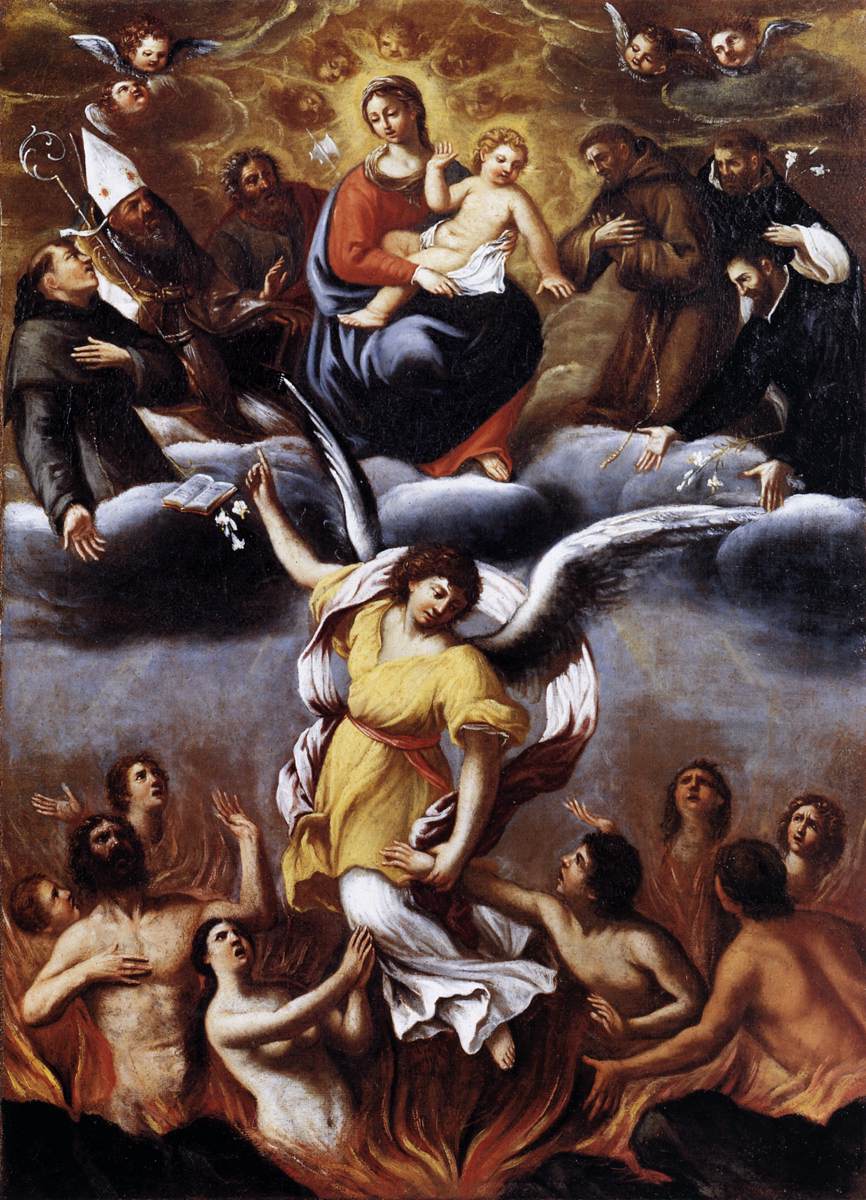
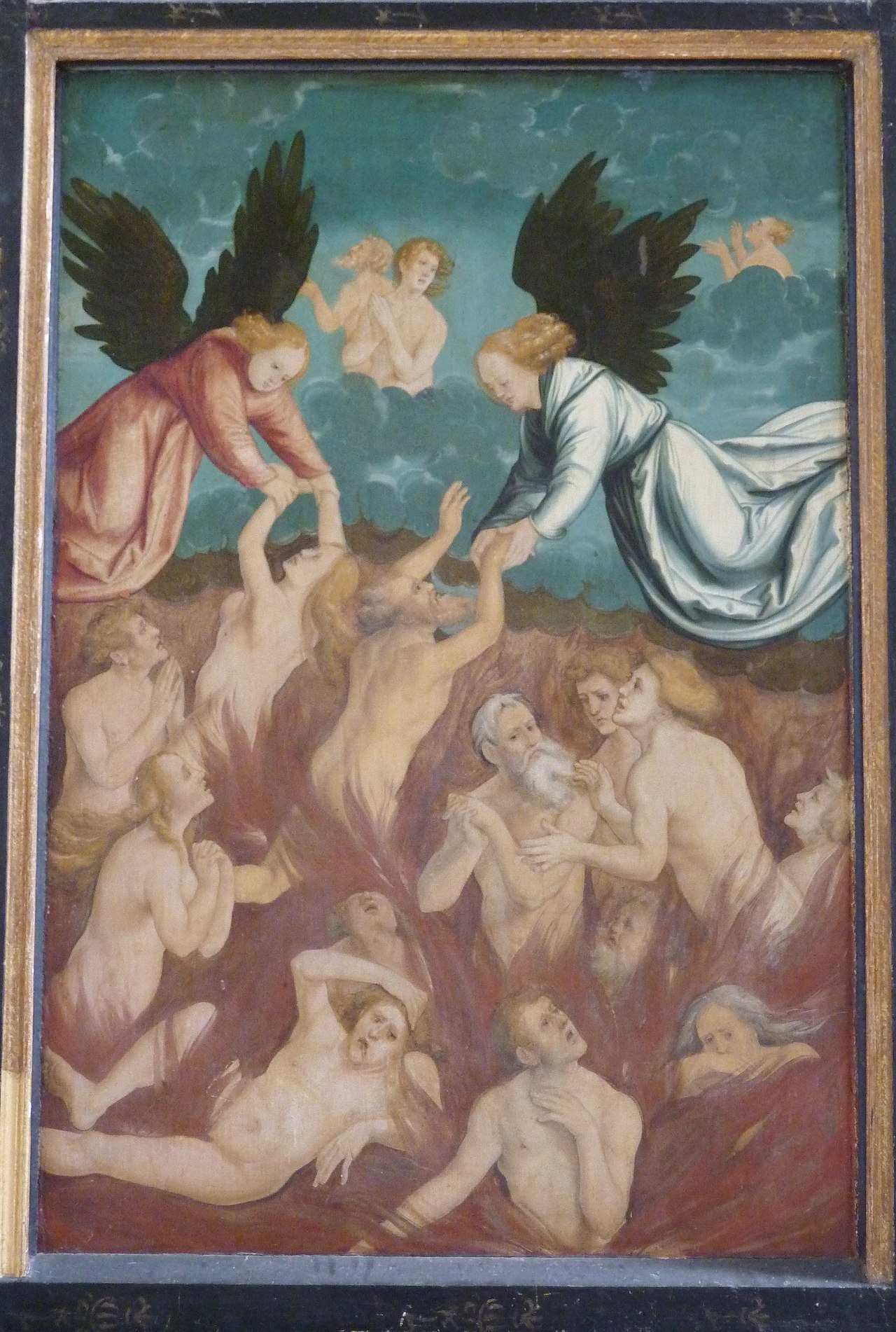
The traditional Catholic account emphasizes several connected ideas: purification, temporal consequence, and assistance from the living. Purification is real and may include suffering of a remedial character, often described in theological language as the removal of what remains of attachment to sin. The notion of "temporal punishment" distinguishes the cleansing process from eternal punishment. Catholics believe that prayers, Masses, alms, and indulgences offered by the living can relieve the purification experience of the deceased.
Historical and theological development
The idea that the living can assist the dead has roots in ancient practice and scripture passages that support praying for the departed. Early Christian writers reflected in various ways on postmortem purification; over centuries theologians developed more precise language to describe it. Medieval scholastic theologians explored mechanisms and terms, and later councils of the Western Church affirmed the reality of a purgatorial purification and upheld prayers for the dead. In modern times the Catechism of the Catholic Church summarizes the teaching as the final purification of the elect and stresses both God's justice and mercy.
Practices and devotional life
Because purification is seen as aided by the prayers and sacrifices of the faithful, a number of devotional practices grew up around remembrance of the dead. Common observances include commemorative Masses, prayers for the dead, visits to cemeteries, and the annual liturgical remembrance on All Souls' Day. Historically, the doctrine was also connected to the practice of indulgences—church-sanctioned acts intended to reduce temporal punishment—which played a prominent role in medieval devotion and later reform debates. Popular culture and art, including literary works, have frequently pictured purgatory in vivid ways, which has shaped imaginations beyond precise theological formulations.
Differences and debates
Purgatory has been a point of divergence between Catholicism and many Protestant traditions, which generally rejected the doctrine during the Reformation era and emphasize immediate entrance into heaven or hell at death. Eastern Orthodox churches typically reject the Western scholastic model of purgatory but often retain prayers for the dead and liturgical practices expressing hope for God's mercy. Within Catholicism, official teaching stresses hope and charity rather than fear; private devotions and alleged apparitions related to the state of the dead are treated as non-essential and are subject to ecclesial scrutiny.
Notable points and pastoral emphasis
- Not eternal: Purgatory is understood as temporary and remedial, not a permanent fate.
- Not for the damned: Those who die in mortal sin are not said to undergo purgation; they face separation from God.
- Communion of saints: The doctrine underscores solidarity between the living and the dead—prayer and charity can assist those undergoing purification.
- Private revelations: Claims that particular souls appear to request prayers are treated as private devotion and are not required beliefs of the faithful.
Overall, purgatory in Catholic thought functions as a hopeful doctrine: it acknowledges the human need for purification, preserves divine justice, and affirms the continuing bonds of love and prayer that connect the church militant on earth with the church being purified and the church triumphant in heaven.
Questions and answers
Q: What is Purgatory according to the teaching of the Roman Catholic Church?
A: Purgatory is the final purification of the elect, where souls who die in God's grace and friendship, but still imperfectly purified, undergo purification after death to achieve the holiness necessary to enter heaven.
Q: Are those who die in God's grace and friendship assured of their eternal salvation?
A: Yes, they are assured of their eternal salvation but must undergo purification in Purgatory.
Q: Are there different levels of Purgatory?
A: Yes, there are different levels of Purgatory, with the lowest being close to hell and the highest gradually drawing near to Heaven.
Q: On what occasion do the greatest number of souls leave Purgatory according to the teaching?
A: The greatest number of souls leave Purgatory on Christmas.
Q: Are there souls in Purgatory who pray ardently to God?
A: Yes, there are souls in Purgatory who pray ardently to God.
Q: Do these souls have relatives or friends who pray for them on earth?
A: No, some of these souls in Purgatory do not have anyone praying for them on earth.
Q: How do these souls benefit from the prayers of other people?
A: God makes them benefit from the prayers of other people, and sometimes permits them to manifest themselves in different ways close to their relatives on earth to remind them of the existence of Purgatory and solicit their prayers to come close to God.
Related articles
Author
AlegsaOnline.com Purgatory: Catholic doctrine, history, and practice Leandro Alegsa
URL: https://en.alegsaonline.com/art/80133
Sources
- cin.org : How to explain Purgatory to Protestants
- usccb.org : available online
- pravoslavieto.com : Catechism of St. Philaret (Drozdov) of Moscow
- newadvent.org : Purgatory
- christusrex.org : Catechism of the Eastern Orthodox Church
- east2west.org : From East to West: Purgatory