
Oracle of Delphi: The Pythia and the Temple of Apollo
The Oracle of Delphi was the sacred prophetic institution of ancient Greece where the Pythia, a priestess of Apollo, delivered counsel that shaped religion, politics and culture across the Greek world.
Overview
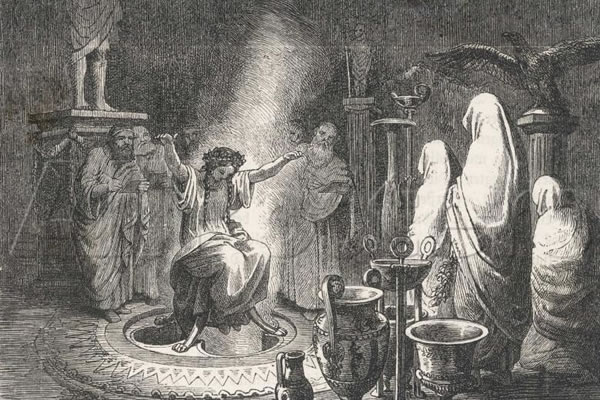
The Oracle of Delphi was the principal prophetic center of Ancient Greece, identified with the god Apollo. Its shrine centered on the Temple of Apollo, set in the slopes of Mount Parnassus above a valley in central Greece. At Delphi a single priestess, called the Pythia, spoke oracular pronouncements on behalf of the god. Those seeking guidance—individuals, city-states and foreign rulers—followed formal procedures to obtain a response.
Image gallery
10 Images



Role and ritual
Consultation began with purification, sacrifice and payment. The Pythia entered an inner chamber and, according to ancient accounts, delivered answers that were recorded and interpreted by priests. Responses are famous for their ambiguous wording and reliance on metaphor and conditional phrasing; this ambiguity helped preserve the oracle's authority even when predictions were later contested.
Historical development
Delphi rose to great prominence in the Archaic and Classical eras and continued to be influential in the Hellenistic and Roman periods. Wealth from offerings funded treasuries and monument building. Major political actors consulted the oracle on matters ranging from colonization to warfare; episodes involving famous rulers such as Croesus illustrate the oracle's central political role in antiquity.
Archaeology and interpretation
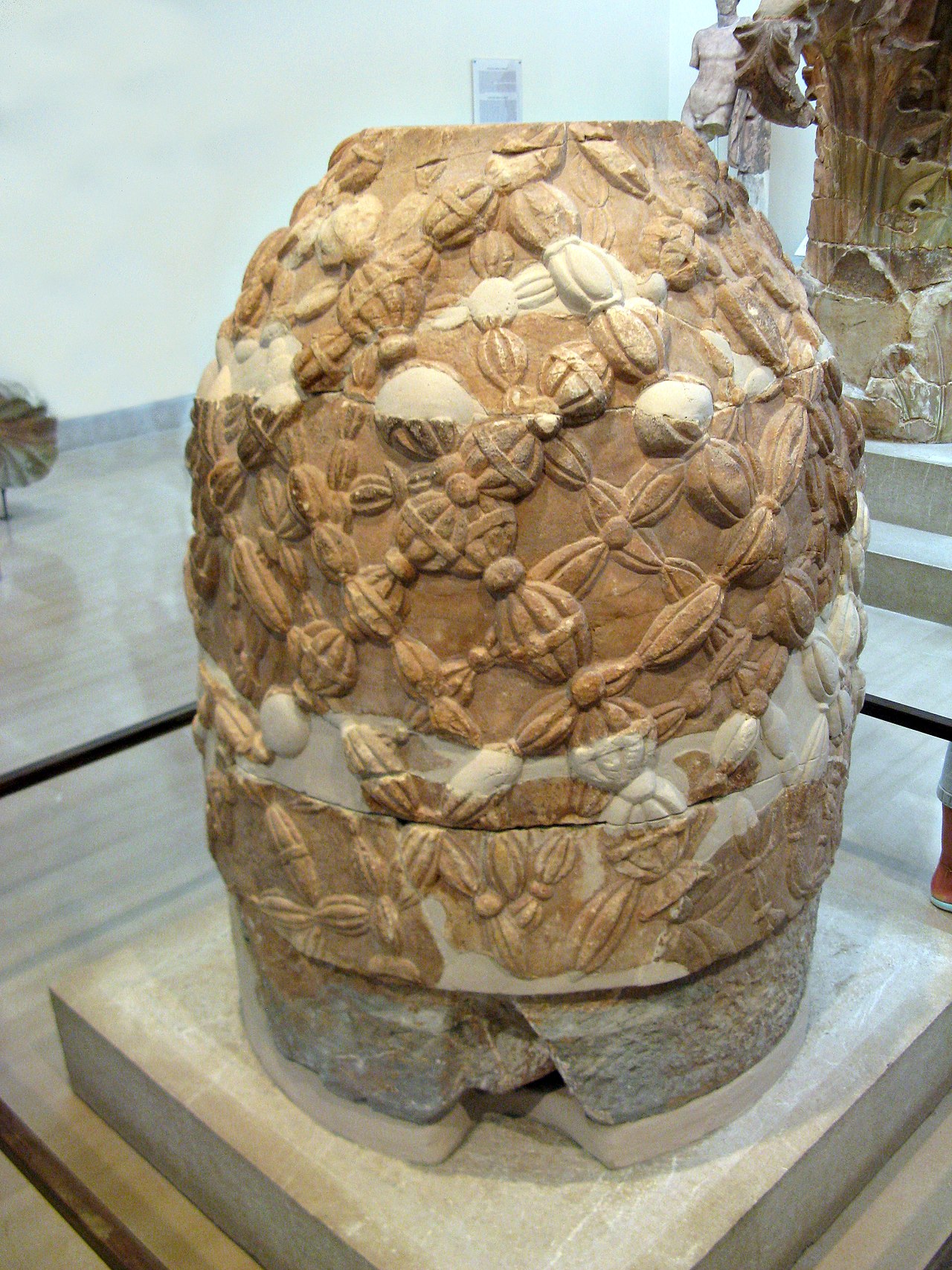
Excavations have revealed temple foundations, treasuries, a theater and the so-called omphalos stone that ancient writers associated with Delphi's centrality. Modern scholars debate the mechanics of the Pythia's trance: hypotheses include inhaled natural gases, psychotropic plants and ritual-induced altered states. Some suggest poisonous shrubs such as oleander or volcanic emissions contributed to reported phenomena, but conclusive evidence remains elusive.
Legacy and notable facts
- The Pythia relinquished her personal name and office titles reflected religious authority rather than individual identity.
- Delphi functioned as a neutral meeting place where competing states sought spiritual endorsement.
- Archaeological remains and literary testimonies make Delphi one of the best-documented religious sites of the ancient Mediterranean.
Today Delphi is an important archaeological site and a subject of interdisciplinary study in classics, archaeology and the history of religion. Scholars continue to evaluate ancient testimony, material remains and scientific data to understand how prophecy, ritual and social power combined at this iconic sanctuary.
Questions and answers
Q: Who was the Oracle of Delphi dedicated to?
A: The Oracle of Delphi was dedicated to the god Apollo.
Q: Who was the priestess at the Oracle of Delphi?
A: The priestess at the Oracle of Delphi was called 'the Pythia'.
Q: How many priestesses operated at Delphi at any one time?
A: Only one priestess operated at Delphi at any one time.
Q: Where was the Temple of Apollo located?
A: The Temple of Apollo was located at Delphi, on the slopes of Mount Parnassus in Greece.
Q: What was the name of the mountain where the Temple of Apollo was located?
A: The mountain where the Temple of Apollo was located was called Mount Parnassus.
Q: Why were the Pythia's predictions often ambiguous?
A: The Pythia's predictions were often ambiguous, possibly because scholars have suggested that burning Oleander or volcanic gases played their part in her strange utterings.
Q: What did the Pythia give up when she became priestess?
A: The Pythia gave up her own name when she became priestess.
Related articles
Author
AlegsaOnline.com Oracle of Delphi: The Pythia and the Temple of Apollo Leandro Alegsa
URL: https://en.alegsaonline.com/art/72909