
Costume: definition, types, history and uses
Clothing and accessories worn to alter appearance, signal cultural identity, or portray a role. Covers traditional dress, theatrical and festival costumes, design considerations, and social functions.
Overview
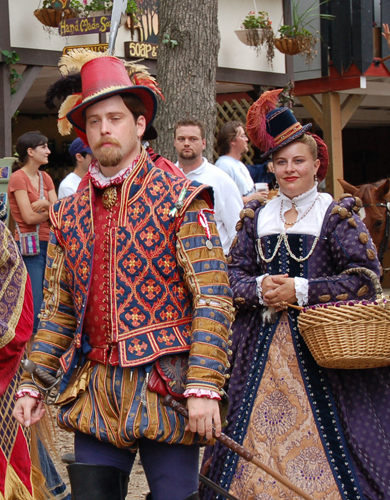
A costume is a purposeful arrangement of clothing and accessories worn to create an appearance different from everyday dress. Unlike ordinary garments, a costume emphasizes identity, role or symbolism: it can signal membership in a community, represent a historical period, or transform a wearer into a character. Costumes are built from clothes, accessories and applied elements that together communicate form and meaning. Some costumes are linked to particular countries or to smaller cultural regions, and are worn with pride on ceremonial occasions.
Image gallery
10 Images




Characteristics and components
Costumes vary widely but often include several common elements. These are not only garments, but also items that change silhouette, color, texture, or perceived age and status.
- Primary garments: dresses, robes, jackets, tunics or suits constructed to a specific style.
- Accessories: hats, belts, jewelry, masks and footwear that complete an image.
- Surface treatments: embroidery, printed motifs, badges, or symbolic colors.
- Alterations: padding, corsetry or prosthetics to change posture and proportions.
- Cosmetic additions: makeup, hairpieces and wigs that modify the face and head.
History and development
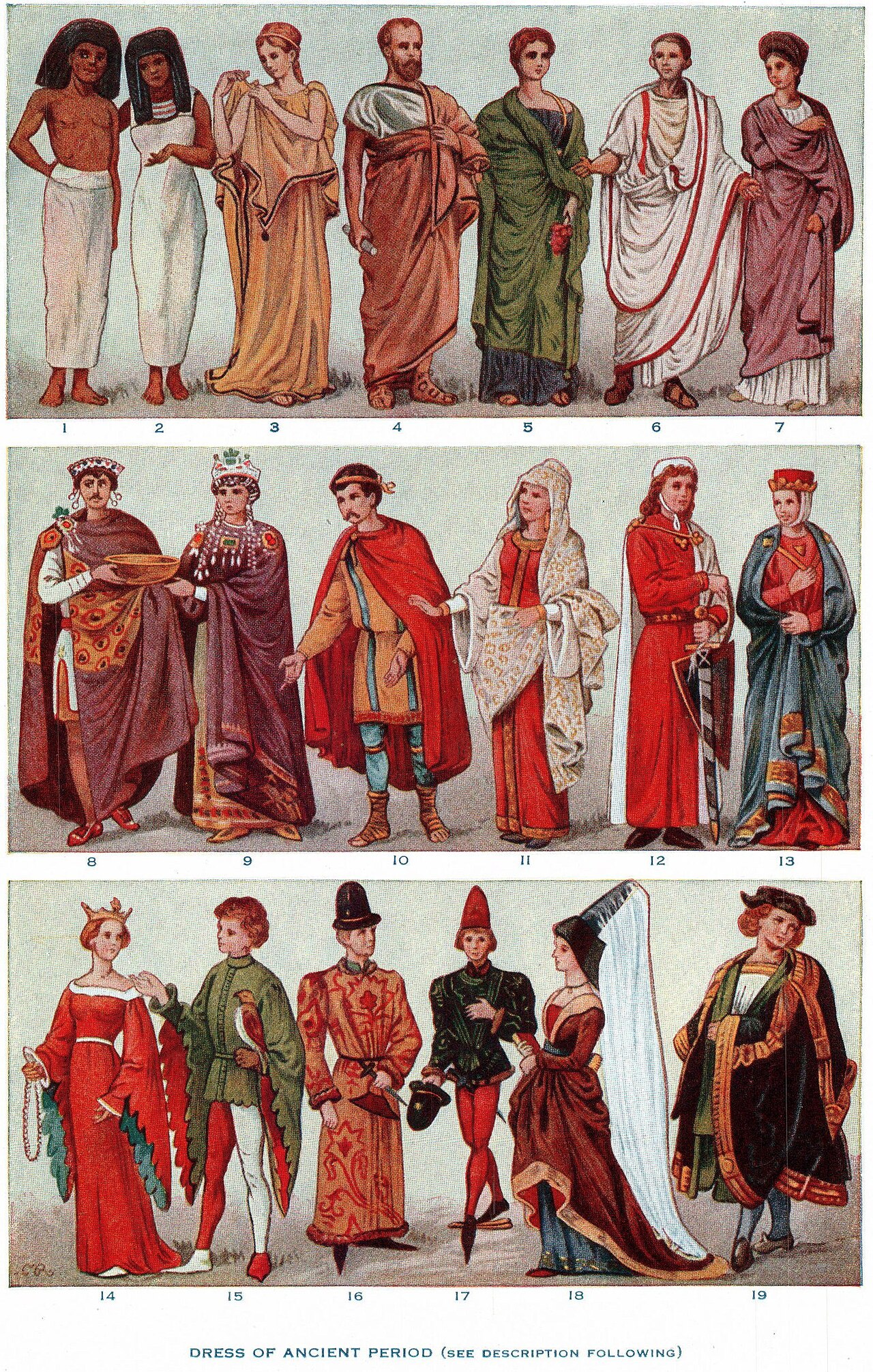
Human societies have used special dress for ritual, status and performance for millennia. In the performing arts, costumes evolved as a practical and visual tool: in theatre, clothing helps an actor inhabit a role; in dance forms it supports movement and style. Historical plays and classical ballets often rely on recognizable costume cues to indicate period, class, or profession; the words play and ballet are closely tied to costume traditions that guide both makers and audiences.
Uses and occasions
Costumes appear in many social contexts. They are central to public festivals and observances, used in rites of passage, and adopted by groups asserting national or regional identity. They also feature in leisure and entertainment: from street processions to private celebrations. Typical contexts include carnivals and themed parties, as well as commemorative and religious events. In modern popular culture, costumes are also a means of creative expression—cosplay, film and television wardrobes, and historical reenactment are contemporary examples.
Design, production and authenticity
Costume design balances practical needs with visual storytelling. Designers research period fabrics, construction methods and cultural symbolism when authenticity is required, yet they may deliberately stylize or invent elements for dramatic effect. Materials range from inexpensive mass-produced components to bespoke, hand-crafted garments. Conservation and ethical sourcing are increasing concerns for institutions that collect traditional dress or perform historically based productions.
Distinctions and notable facts
Costume overlaps with related concepts but is not identical to them. "Uniforms" communicate official role and authority; "fashion" follows seasonal style trends; "traditional dress" often has deep cultural continuity. A single outfit can function as both costume and traditional attire depending on context. Understanding costumes involves reading visual cues—color, cut, and ornamentation—to interpret social messages conveyed by what people wear.
Further reading: explore specialized resources on regional attire, theatrical costume history, and modern costume-making practices for more detail.
Questions and answers
Q: What is a costume?
A: A costume is a set of clothes worn to look different from what is normally worn.
Q: Are costumes specific to certain countries or regions?
A: Yes, some costumes are special to countries or regions.
Q: Why do some people wear costumes?
A: Some people wear costumes because they are proud of their country.
Q: Who wears costumes in theatres?
A: Actors in theatres wear costumes.
Q: Why do actors in theatres wear costumes?
A: Actors in theatres wear costumes because they are pretending to be a person in a play or ballet.
Q: Can costumes be worn for carnivals or parties?
A: Yes, costumes can be worn for carnivals or parties.
Q: What is the purpose of wearing a costume?
A: The purpose of wearing a costume is to look different from what one would normally wear.
Related articles
Author
AlegsaOnline.com Costume: definition, types, history and uses Leandro Alegsa
URL: https://en.alegsaonline.com/art/23345
Sources
- oxforddictionaries.com : "costume"