
Kimono: Traditional Japanese robe — structure, history, and uses
Kimono are traditional Japanese T-shaped robes worn for centuries. This article explains their parts, varieties, historical shift to modern dress, occasions for wear, and cultural significance.
Overview
The kimono (着物) is a traditional Japanese garment characterized by a straight-lined, T-shaped silhouette that wraps around the body and is secured with a wide sash. Once everyday wear throughout Japan, kimono are now most commonly reserved for formal events, ceremonies and cultural activities. For a brief introduction to related garments and styles, see traditional Japanese dress.
Image gallery
10 Images
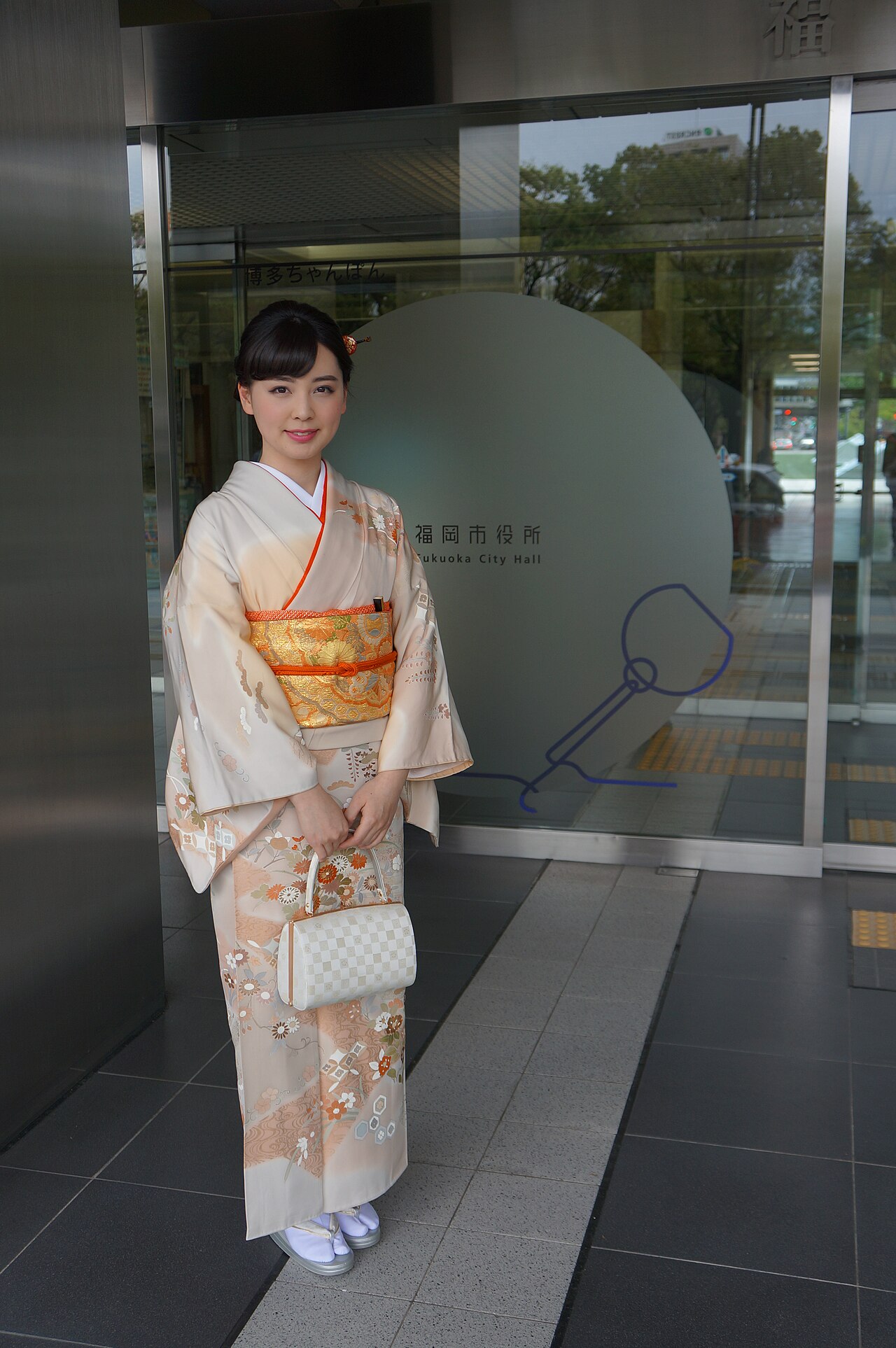


Structure and components
A typical kimono reaches to the ankles and has long sleeves; sleeve length and shape vary by age, gender and formality. Key components include:
- Kimono body — the main robe, made from one continuous piece of fabric cut into rectangular panels.
- Obi — the wide decorative sash wrapped around the waist and tied at the back; different knots and sizes signal level of formality.
- Collar and linings — layered collars and seasonal linings help regulate warmth and indicate dress etiquette.
- Accessories — items such as obijime (cord), obiage (silk scarf), tabi (socks) and zori (sandals) complete the outfit.
For visual examples of parts and styling, consult resources on kimono construction.
History and social change
Kimono evolved over many centuries from earlier Japanese clothing and reached recognizable forms during the Edo period. With the Meiji Restoration and increased Western influence in the late 19th and early 20th centuries, everyday dress shifted toward Western-style garments. By the mid-20th century most people wore Western clothes daily, and the kimono became reserved for specific events. A concise timeline and further reading are available at historical background.
Types, occasions and symbolism
There are many kimono types that differ by cut, sleeve length, pattern and formality. Common categories include:
- Furisode — long, swinging sleeves worn by unmarried women at coming-of-age ceremonies and formal events.
- Tomesode — shorter sleeves and more restrained patterns, often worn by married women for formal occasions such as weddings.
- Yukata — an unlined, casual cotton robe worn in summer festivals and at inns.
Patterns, colors and motifs often carry seasonal or symbolic meanings: cranes for longevity, cherry blossoms for spring, and so on. See an overview of forms and etiquette at kimono types and meanings.
Production, care and modern use
Traditional kimono are commonly made from silk, though cotton, wool and synthetic fabrics are also used. Techniques such as weaving, dyeing (including yuzen resist dyeing) and embroidery create elaborate designs. Wearing a formal kimono typically requires practice or assistance because of multiple layers and precise folding. Contemporary designers sometimes adapt kimono elements into modern fashion and sustainable clothing movements; information on contemporary practice is available via modern kimono and revival.
Notable facts
While not everyday wear for most Japanese people, the kimono remains a potent cultural symbol and an active part of ceremonies like weddings, funerals, tea ceremonies and traditional arts such as ikebana and classical dance. Collecting, preserving and teaching kimono crafts helps maintain textile traditions and regional dyeing or weaving techniques.
Questions and answers
Q: What are kimono?
A: Kimono are traditional Japanese style clothes.
Q: When did people in Japan usually wear kimono?
A: About a hundred years ago, most people in Japan wore kimono every day.
Q: What do people wear kimono for now?
A: Now, people wear the kimono for special occasions, fun, and fashion.
Q: How is a kimono shaped when it lies flat?
A: When it lies flat, a kimono is shaped like a letter T.
Q: How long are the sleeves of normal kimonos?
A: Normal kimonos have long sleeves that reach to the ankles.
Q: Are there different designs and colours of kimonos available?
A: Yes, there are many different designs and colours of kimnos available.
Q: Do some colours have meanings associated with them?
A: Yes, some colours have meanings associated with them.
Related articles
Author
AlegsaOnline.com Kimono: Traditional Japanese robe — structure, history, and uses Leandro Alegsa
URL: https://en.alegsaonline.com/art/53497