
Burial: practices, history and modern considerations
Burial is the interment of a human or object in the ground. This article outlines common methods, cultural meanings, historical practices including mass graves, and modern alternatives and concerns.
Overview
Burial is the act of placing a body or object into the earth, most commonly in a prepared pit known as a grave. For many societies it is the primary method of dealing with the dead and carries social, legal and spiritual significance. Graves are often located in a designated place such as a cemetery, churchyard, family plot or other consecrated ground.
Image gallery
10 Images


Common elements and practices
Most contemporary burials involve a container and a marker. A coffin or casket is commonly used to hold a body; see coffin practices for variations in shape and materials. The location is frequently marked by a headstone, plaque or other memorial to identify and commemorate the deceased; for example, a headstone records names and dates and helps families find the grave.
Types and variations
- Inhumation: burial in the ground, usually in a coffin.
- Entombment: placement in a tomb or mausoleum above ground.
- Mass burial: multiple bodies placed together, often without individual coffins, as in disaster or conflict situations (mass grave).
- Green burial: minimal intervention to reduce environmental impact.
History and contexts
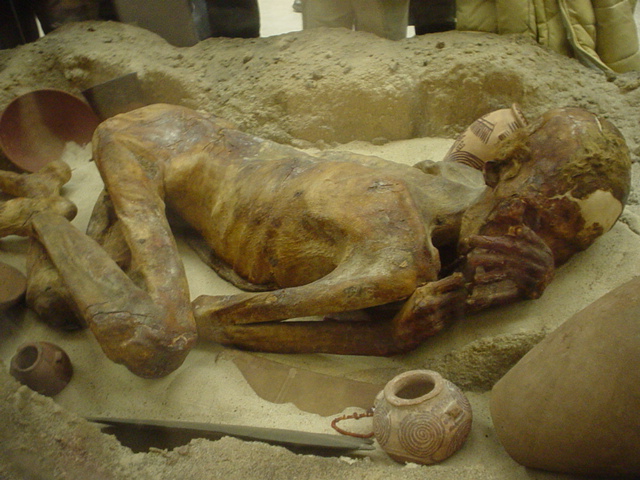
Burial practices have deep historical roots and vary by culture, religion and period. Archaeological sites show a wide range of rites from simple pits to elaborate tombs. In wartime or during epidemics, the volume of fatalities has sometimes led authorities to use collective interments; such emergency contexts, including large-scale conflicts, have produced mass burial sites with legal and forensic importance.
Importance, regulation and modern concerns
Burial has legal and public-health dimensions: laws govern where and how remains can be interred, how graves are recorded, and how long plots may be reused. Contemporary debates include land use, the carbon and resource footprint of burial materials, and alternatives such as cremation or donation to science. Some communities are reviving simpler, eco-friendly approaches that avoid embalming and heavy vaults.
Notable distinctions
Different faiths and cultures set specific rules—timing of burial, orientation of the body, or permitted grave goods—so practices can differ markedly even within the same country. Archaeological burials inform historians about past beliefs, while modern forensic investigation of certain burial sites can be crucial in establishing identity and circumstance of death.
For further reading and practical details on terminology and local regulations, consult resources on burial law, cemetery management and cultural rites (grave, cemetery, coffin, headstone, war, mass grave).
Related articles
Author
AlegsaOnline.com Burial: practices, history and modern considerations Leandro Alegsa
URL: https://en.alegsaonline.com/art/15432