
Odysseus — Greek epic hero, king of Ithaca
Odysseus, a central figure in Homeric epic, is the crafty king of Ithaca whose voyages after Troy form the Odyssey; famed for intelligence, trickery, and lasting influence on literature and art.
Overview
Odysseus is one of the best-known figures from ancient Greek mythology. Traditionally portrayed as the ruler of the island islands centered on Ithaca, he appears in the epic poems of Homer: the Iliad and especially the Odyssey. He is married to Penelope and father to Telemachus, and is famed for cunning and resourcefulness rather than brute strength.
Image gallery
10 Images






Characteristics and role
Homeric Odysseus is often described by epithets that highlight his cleverness and variability. He is at once a prudent statesman, a persuasive speaker and a sly tactician. In the Iliad he acts as a negotiator and planner among the Greeks; in later episodes he is the central figure whose wanderings test endurance and identity. Classical tradition sometimes connected his ancestry to divine or heroic lines; later Latin authors used the name Ulysses.
Famous adventures
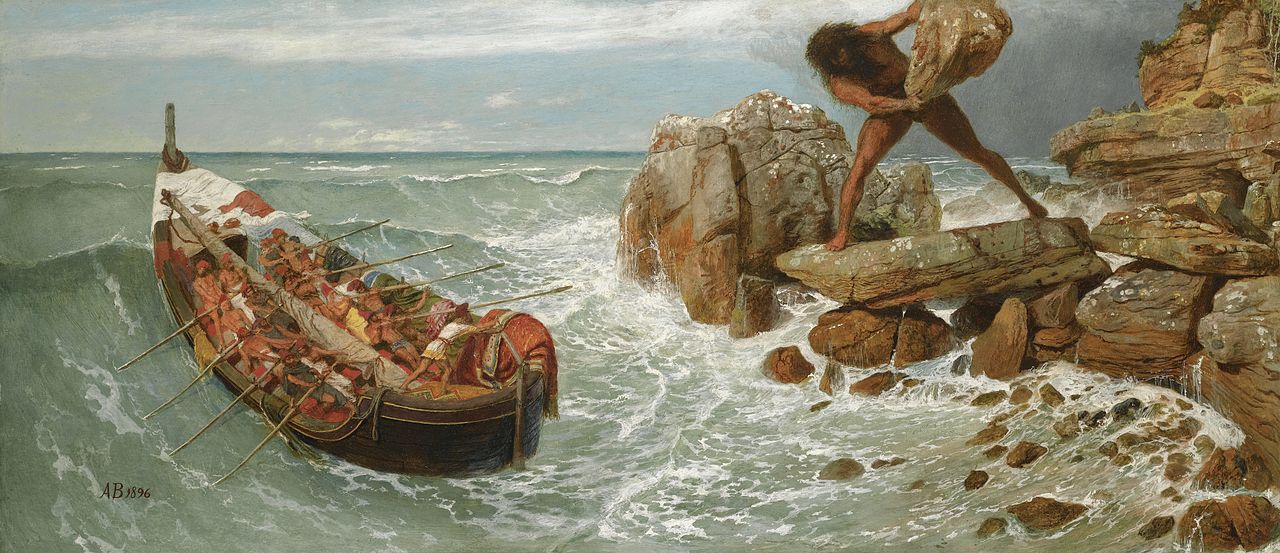
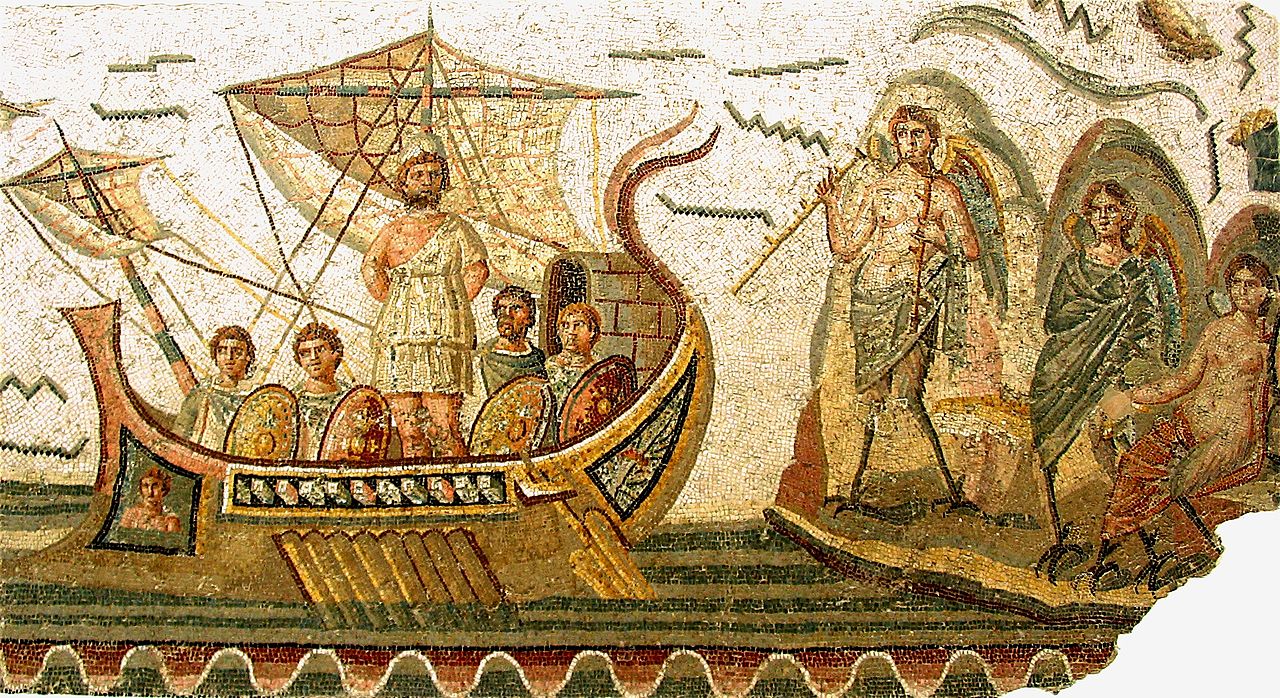
Odysseus fought in the Trojan War, where he is credited with the clever stratagem that made the sack of Troy possible: the wooden Trojan Horse. After the fall of Troy his return to Ithaca became the subject of the Odyssey, a decade-long sequence of trials. Notable episodes include blinding a Cyclops, the son of Poseidon called Polyphemos, encounters with the enchantress Circe and the nymph Calypso, the Sirens, and the straits of Scylla and Charybdis. Angered by the harm to his son, Poseidon hinders his voyage home, making his path arduous.
Invention and reputation
Odysseus' reputation rests as much on wit as on leadership: classical sources credit him with devising the ruse of the Trojan Horse and other deceptions. He is sometimes described with words that translate to "the man of many turns" or "the wily one," reflecting his talent for improvisation and disguise. These traits make him a model of human intelligence in hostile circumstances and a complex moral figure in literature.
Legacy and cultural impact
The story of Odysseus has been retold continually from antiquity to the present in poetry, drama, visual art and film. His journey has provided a template for narratives about return, identity and endurance. Authors and artists across centuries have interpreted his cunning and trials in different ways: as heroic resilience, as cunning amorality, or as a study of the human capacity to endure isolation and temptation. Modern works that echo Odyssean themes include epic poems, novels, and adaptations in cinema and television.
Notable facts and distinctions
- Although celebrated in epic, Odysseus is less the archetype of the warrior than of the strategist and speaker; in the Iliad he is valued for counsel.
- Some ancient traditions link his family to other mythic figures or gods such as Hermes, but primary Homeric accounts emphasize mortal parentage.
- Beyond Homer, later Greek and Roman authors expanded and varied his adventures and character; the Latin form of his name, Ulysses, appears frequently in Roman literature.
For introductions and translations of the Homeric narratives and for studies of their later reception, see standard editions and modern commentaries. Scholarly and popular discussions explore Odysseus both as a cultural symbol of cleverness and as the protagonist of a foundational Western story about homecoming, perseverance, and the moral ambiguities of survival.
Related topics and quick links: royal title, marriage, invention, war, adventures, mythic background.
Related articles
Author
AlegsaOnline.com Odysseus — Greek epic hero, king of Ithaca Leandro Alegsa
URL: https://en.alegsaonline.com/art/71982