
Trojan Horse: myth, tactics, and modern metaphor
The Trojan Horse is the famous stratagem from the Trojan War in Greek mythology. This article explains the myth, literary sources, interpretations, historical debate, and its lasting role as a metaphor and malware name.
Overview
The Trojan Horse is a celebrated stratagem from ancient Greek tradition in which the Greeks concealed warriors inside a large wooden structure presented to the besieged city of Troy. The story appears in later epic and dramatic sources and has become a universal symbol of deception. For background on the wider conflict see Trojan War and for the cultural context see Greek mythology.
Image gallery
9 Images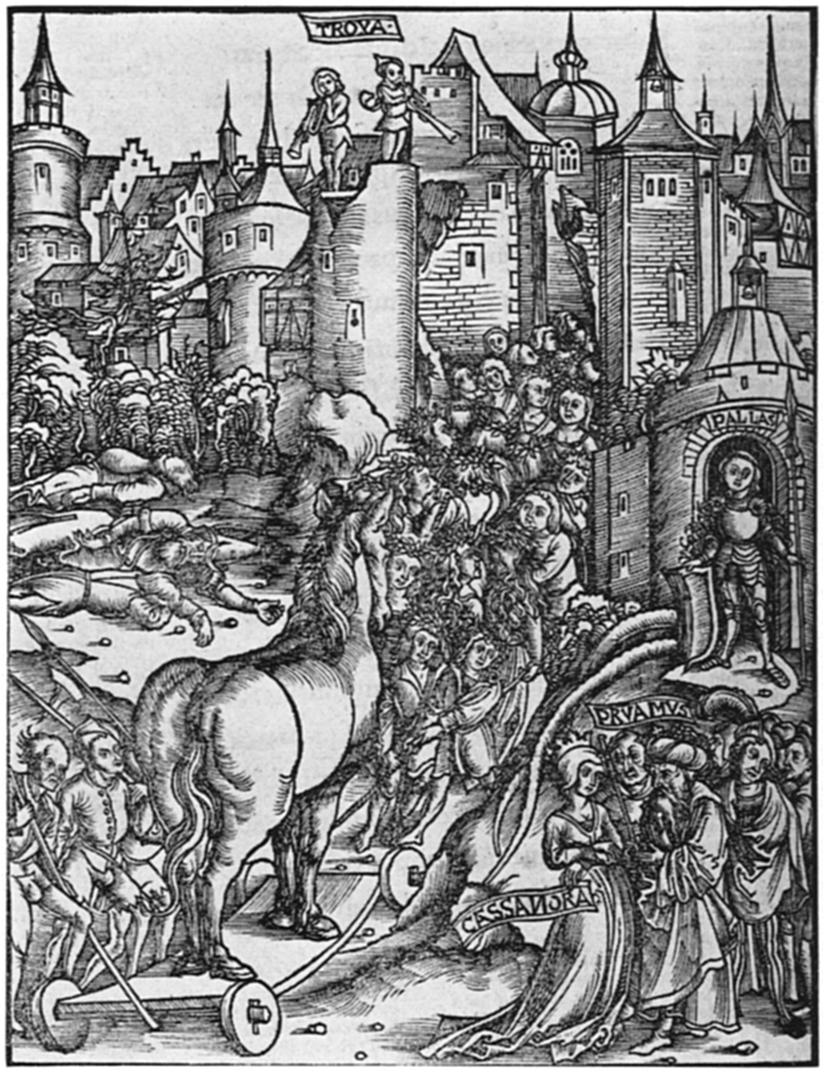



Myth, participants and basic plot
According to conventional retellings, after a decade of siege the Greeks could not breach the walls of Troy. Led by strategists such as Odysseus, they built a hollow wooden horse as an apparent offering and left it at the gates. The Trojans brought the gift inside, celebrating what they believed was the enemy's departure. Hidden Greek warriors later opened the gates to admit the returning army, and the city fell. The episode is often linked in narrative to figures such as Helen and deities including Athena in traditional accounts.
Literary sources and variations
Details of the horse vary by author. The story is not narrated in full in the earliest epic attributed to Homer, but later writers—most notably Virgil in the Roman tradition—expanded the tale, added characters such as the deceptive Greek wooden horse builder and the Trojan priest Laocoön, and supplied moral and religious explanations. Different sources alter motivations, size and the number of concealed combatants, reflecting how oral tradition and literary art shaped the episode.
Construction, tactics and symbolism
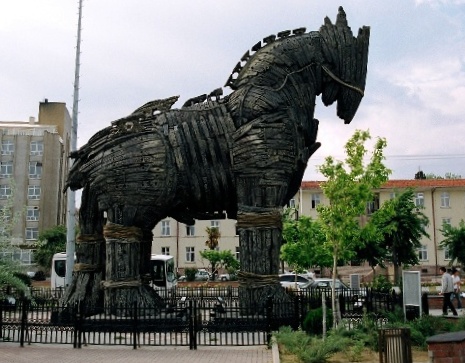
Descriptions emphasize the horse’s impressive size and its purpose as both physical hideout and religious prop. Tactically the device functioned as a form of concealment and surprise rather than a literal mechanical siege engine. Symbolically it has been interpreted as a commentary on piety, cunning, the limits of pride, or the dangers of accepting gifts. Classical writers often explore conflicting readings—divine will versus human cunning—in the moment Troy internalizes its apparent victory.
Historical and archaeological perspectives
Scholars debate whether the Trojan Horse reflects an historical event, allegory or later invention. Some suggest the story encodes a real siege tactic, such as a siege engine or infiltration by soldiers hiding in carts, while others treat it as mythic storytelling shaped by ritual and propaganda. Archaeology at the site traditionally identified with Troy indicates multiple destructions and reconstructions, but direct evidence for a wooden horse is lacking.
Modern meanings and uses
From the medieval period onward the phrase "Trojan horse" entered European languages as a metaphor for hidden danger within an attractive or harmless form. In the twentieth and twenty-first centuries the term was adopted in computing to describe malware that appears legitimate but carries a harmful payload; see Trojan horse (computer security). The image also recurs across literature, politics and popular culture as a way to discuss subterfuge, infiltration and unexpected defeat.
Notable distinctions and examples
- Metaphor versus literal: the original is a narrative device, while modern "Trojan" uses generalize the principle of concealed threat.
- Literary variants: Greek and Roman authors emphasize different moral lessons and divine interventions (wooden horse narratives differ by source).
- Contemporary analogies: political "Trojan horses," intelligence operations and cybersecurity threats all draw on the same basic logic (Greeks, Troy analogies are common).
For further reading and comparative treatments see classical surveys of the Trojan War, collections on Greek mythology and modern studies of metaphor and cybersecurity that treat the Odyssean tradition as both cultural artifact and continuing source of idiom (Athena is often invoked in interpretive accounts). Additional online and scholarly resources can be consulted via general reference portals and library collections (Helen, computer Trojans).
Related articles
Author
AlegsaOnline.com Trojan Horse: myth, tactics, and modern metaphor Leandro Alegsa
URL: https://en.alegsaonline.com/art/101621