
Polyphemos: the Cyclops of the Odyssey
Polyphemos, a Cyclops in Greek mythology, is best known from Homer's Odyssey for his encounter with Odysseus. His story explores hospitality, cunning, divine revenge and later cultural influence.
Overview
Polyphemos (often Latinized as Polyphemus) is one of the most famous Cyclopes of classical legend. In ancient Greek tradition the Cyclopes are a race of one-eyed giants; Polyphemos is usually presented as a shepherd who lives on a remote island and exemplifies brute force and coarse manners rather than civilized restraint. He appears most prominently in the narrative cycle surrounding the return of the Greek hero Odysseus from the Trojan War, and his parentage is commonly given as the sea god Poseidon and the nymph Thoosa. The figure of Polyphemos belongs to the larger corpus of Greek mythology and the distinctive subgroup of giant, single-eyed beings called Cyclopes (Cyclops).
Image gallery
10 Images




The Homeric episode
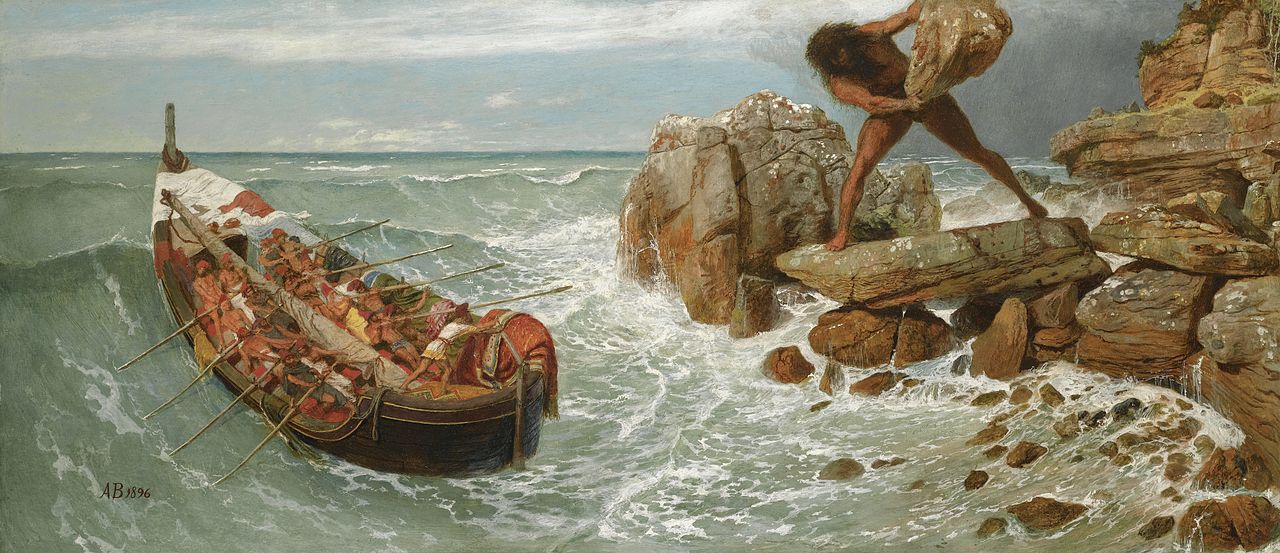
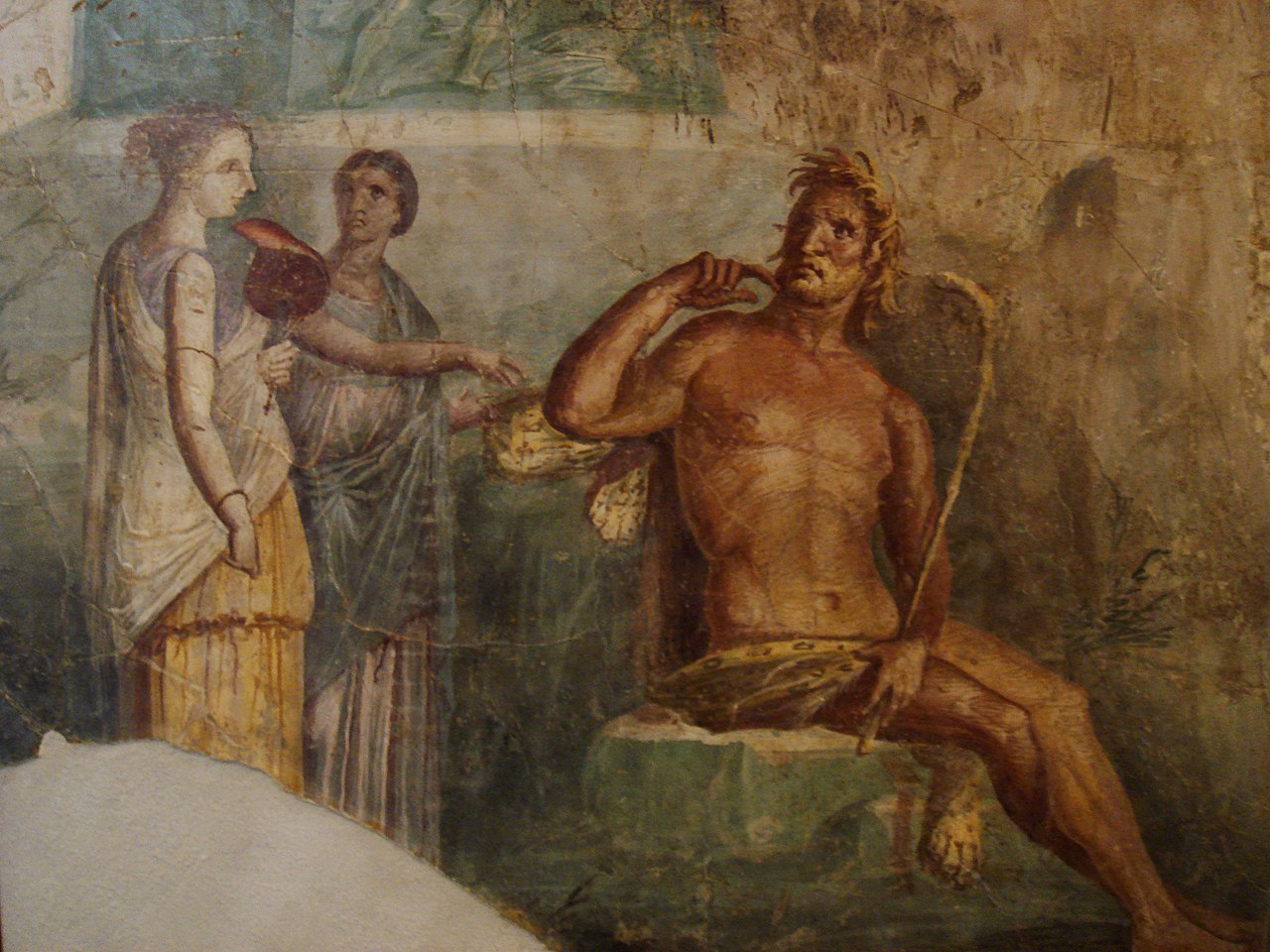
Polyphemos’ best-known appearance is in the epic poem the Odyssey, attributed to the poet Homer. In that story, the wanderer Odysseus lands with his companions on the island where Polyphemos tends flocks. Seeking shelter they enter the giant’s cave, only to be trapped when Polyphemos returns and blocks the entrance with a huge stone. He proceeds to kill and eat several of Odysseus’ men, an act that violates the Greek code of hospitality and xenia. Odysseus survives by using guile: he gives the Cyclops strong wine, tells him his name is “Nobody,” and blinds him with a sharpened stake while he sleeps. When the other Cyclopes come to help, Polyphemos cries that “Nobody” has hurt him, and they depart in confusion. Odysseus and his surviving men then escape by clinging to the bellies of the giant’s sheep. Before leaving, Odysseus reveals his true name, an act of pride that prompts Polyphemos to call upon his father Poseidon for vengeance, setting in motion many of the hardships that delay Odysseus’ return to Ithaca.
Characteristics and family
- Physical traits: Polyphemos is depicted as enormously strong and solitary; his single central eye is his most distinctive anatomical feature.
- Lineage: Most sources call him a son of Poseidon and the sea-nymph Thoosa, linking him to both maritime power and monstrous otherness.
- Habits: He is portrayed as a shepherd of sheep and goats who lives in a cave and is indifferent or hostile to the rules of hospitality that govern human society.
Themes and interpretations
The Polyphemos episode is rich in thematic content. It contrasts intelligence and restraint with brute force; Odysseus’ cleverness and rhetorical skill overcome physical superiority. The story also raises questions about identity and naming—Odysseus’ trick of calling himself “Nobody” illustrates how language can be used strategically. Polyphemos’ appeal to his divine father introduces the idea of anthropic retribution: offending a god’s child risks invoking the god’s wrath. Scholars and readers have long debated whether the tale criticizes hubris, celebrates cunning, or functions as a moral about hospitality and the limits of savagery.
Cultural influence and later reception
Polyphemos has been a recurring figure in art, literature and performance from antiquity to modern times. He appears in vase painting and classical drama, and later poets, painters, and novelists have reworked the encounter to explore different themes: the monstrous outsider, the dangers of pride, or the finer points of strategy and deception. Modern retellings appear in children’s books, opera, visual art and film adaptations that draw on the Odyssey’s dramatic potential without necessarily following every ancient detail. The Cyclops motif has also become a broader cultural symbol for a single-minded or short-sighted adversary.
Variations, related figures and notable facts
- Different traditions vary on the wider family and fate of Polyphemos; some accounts mention other Cyclopes or local inhabitants of the island.
- Polyphemos’ role highlights a boundary between human society and monstrous liminality: he is both animal shepherd and offspring of a god, a liminal figure between nature and the divine.
- Artists and commentators use his story to discuss hospitality, the ethics of cunning, and the consequences of belittling or humiliating a powerful foe.
For readers interested in primary and scholarly sources, look to translations and commentaries on the Odyssey and broader discussions of Greek mythology. Studies of Homeric narrative technique emphasize how the Polyphemos episode showcases Odysseus’ resourcefulness and the epic’s interest in human-divine interaction. The tale's mix of violence, wit and divine intervention ensures Polyphemos remains one of the most memorable monsters in classical storytelling.
Questions and answers
Q: Who is Polyphemos?
A: Polyphemos is a Cyclops in Greek mythology, the son of the god Poseidon and Thoosa.
Q: Where does Polyphemos live?
A: Polyphemos lives in a cave on an island with several other Kyklopes.
Q: What happens when Odysseus and his men come to the island?
A: When Odysseus and his men come to the island, they come to the cave where Polyphemos lives. He traps them in his cave placing a boulder in front of the entrance, also eating some of Odysseus' men.
Q: How do Odysseus and his men escape from Polyphemos?
A: To escape from Polyphemos, Odysseus tells him that his name is "Nobody" and gives him wine to drink. When he is sleeping, Odysseus and his men take a log from the fire and shape it into a point and drive it into the Kyklops', Polyphemos', only eye so he can't see them anymore. They then hold onto the underside of sheep that are let out of the cave by Polyphemos so they can escape.
Q: What does Odysseus do when he gets away?
A: When he gets away, Odysseus calls out in rage to Polyphemos saying that he was responsible for destroying his eye. As he goes away, he mocks him which is considered hubris.
Q: What does Poseidon do as revenge for what happened to Polyphemos?
A: As revenge for what happened toPolyphems, Poseidon pleads with him for all of Odyssesu's men should die and that Odyssesu should only come home after ten years - which comes true as told in The Odyssey.
Tags
Related articles
Author
AlegsaOnline.com Polyphemos: the Cyclops of the Odyssey Leandro Alegsa
URL: https://en.alegsaonline.com/art/77877