
Greek mythology: gods, heroes, and ancient stories
Collection of myths from ancient Greece about the origins of the world, a pantheon of gods, legendary heroes, and their influence on religion, art, and Western culture.
Greek mythology is the body of traditional stories originating in Ancient Greece that explain the cosmos, human nature, divine characters, and the origin of cultural practices. These narratives range from creation tales and genealogies of deities to epic adventures of mortals and divine interactions. Myths were told in many registers—poetry, drama, ritual speech, and visual art—and shaped how ancient Greeks understood the world.
Image gallery
10 Images


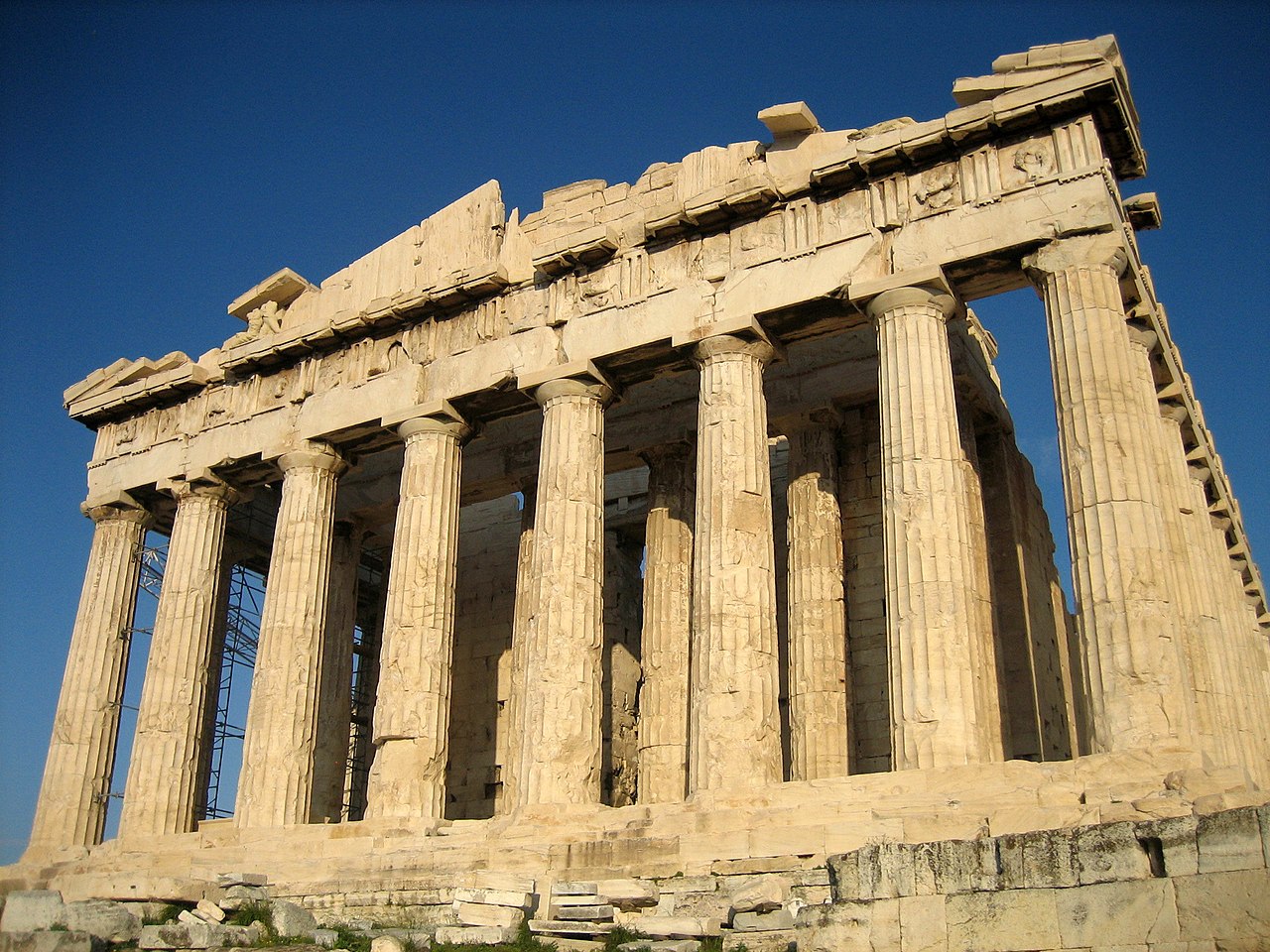
Core features and the divine cast
The mythology is notable for its anthropomorphic deities who possess human emotions and flaws yet wield supernatural power. The older generation of Titans is succeeded by the Olympian gods, who make up a central pantheon. Stories often focus on conflicts among gods or between gods and humans, and they provide etiologies for natural phenomena and social institutions. Major deities include:
- Zeus (king of gods), Hera, Athena, Apollo, Artemis
- Poseidon, Demeter, Aphrodite, Hermes, Hades
- Special figures such as Dionysus, Hephaestus, and Ares fill roles in mythic cycles.
Heroes, cycles, and famous tales
A separate but overlapping set of narratives centers on mortal champions and their quests—heroes and heroines whose deeds explain lineage, territory, and moral lessons. Examples include Heracles and his labors, the voyages of Jason and the Argonauts, Perseus and the Gorgon, the foundation stories of cities, and the epic events around the Trojan War. These tales often mingle divine intervention with human choice and provided characters for drama and praise poetry.
Origins and transmission
Many myths began in oral tradition and were later recorded by poets and playwrights. Two of the earliest literary sources are Hesiod's Theogony, which arranges genealogies of the gods, and the epic poems attributed to Homer, which contain mythic episodes woven into heroic narratives. Tragedians such as Aeschylus, Sophocles, and Euripides reworked older material for the stage, while vase painting, sculpture, and ritual practice preserved local variants.
Function, reception, and legacy
In antiquity these stories functioned as religion, moral instruction, entertainment, and cultural memory. They explained natural events, justified customs, and offered models of piety, hubris, and fate. From the Renaissance onward, Greek myths were rediscovered and adapted across Europe, influencing literature, visual arts, psychology, and modern storytelling. Their characters and motifs continue to appear in novels, films, and academic study.
Notable distinctions and modern study
Greek mythology is not a single, unified doctrine but a complex, regionally varied collection of tales. Myths could be adapted to local cults, political needs, or artistic aims. Modern scholars approach them through comparative, historical, and literary methods, cautious about treating any single version as definitive. For readers today, these stories remain a rich source of symbolic language and insight into ancient belief and creativity. For overviews and collections consult primary-poetry translations and standard reference works for further reading.
Further resources: introductions and translations provide entry points for both general readers and specialists; see selected compilations and commentaries for detailed variants and archaeological context. For cultural context and archaeological evidence, follow curated surveys and museum catalogues that present artifacts alongside mythic narratives.
More on the gods and goddessesRelated articles
Author
AlegsaOnline.com Greek mythology: gods, heroes, and ancient stories Leandro Alegsa
URL: https://en.alegsaonline.com/art/40637
Sources
- commons.wikimedia.org : Greek mythology