
Cyclops: one‑eyed giants of ancient Greek mythology
Cyclopes are one‑eyed giants from ancient Greek myth, variously portrayed as primordial smiths, solitary shepherds, or monstrous figures in works such as Homer’s Odyssey.
Cyclops (Ancient Greek: Κύκλωψ) denotes members of a legendary race of giant humanoids characterized by a single central eye. They belong to the corpus of Greek mythology and appear in a range of literary, artistic, and folkloric contexts with differing attributes and narrative roles.
Image gallery
10 Images


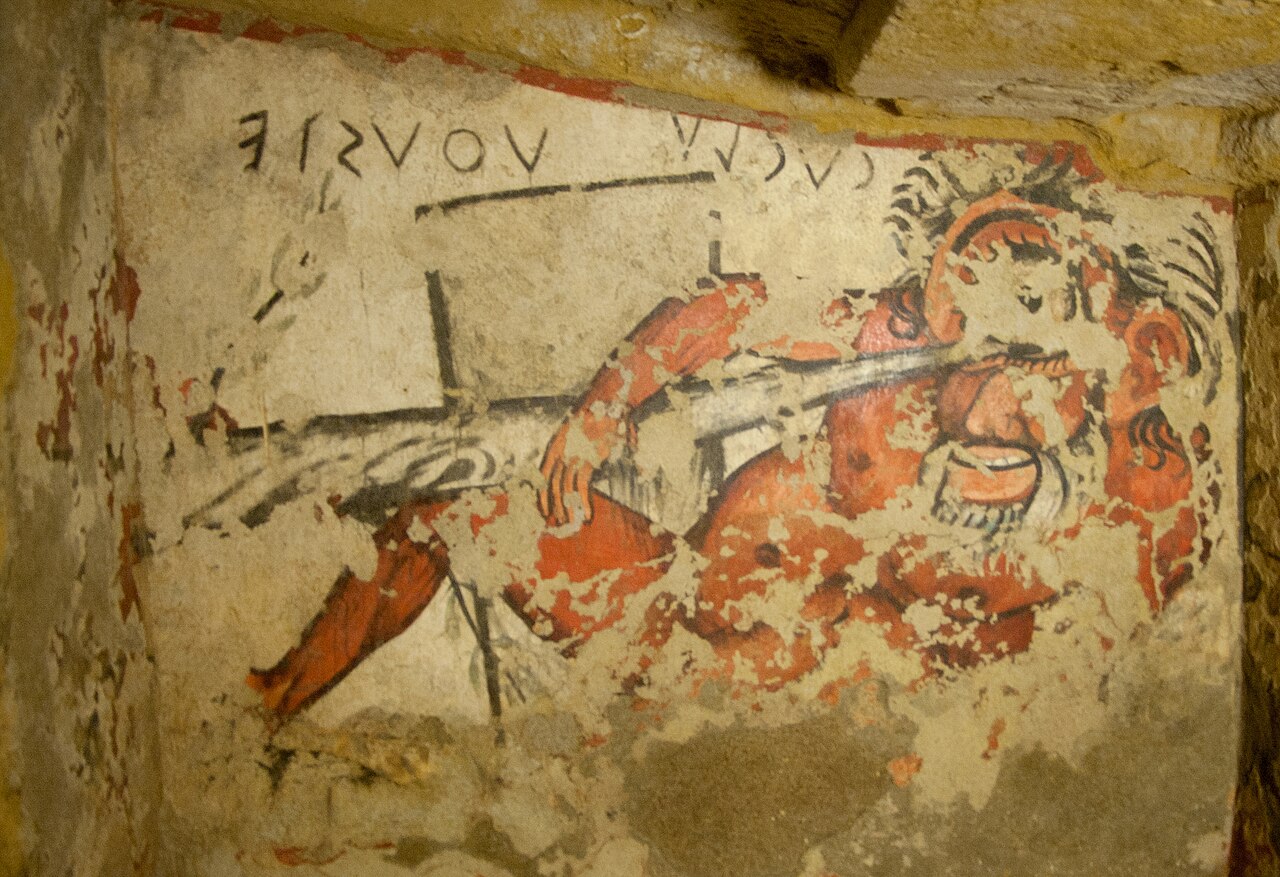


Overview and appearance
Descriptions vary across sources, but cyclopes are typically depicted as very large and powerful beings with one eye set in the middle of the forehead. In some accounts they are rugged, cave‑dwelling shepherds, while in others they are skilled craftsmen or primordial figures. Their singular eye is their defining feature in both ancient texts and later iconography.
Major literary attestations
The most famous literary episode involves the cyclops Polyphemus, who appears in the epic attributed to Homer, the Odyssey. In that narrative Polyphemus imprisons members of Odysseus’s crew and is outwitted and blinded by Odysseus in order to secure escape. Other ancient authors provide alternative traditions: for example, Hesiod and later poets present a different class of cyclopes as divine smiths who assist the gods by forging weapons such as thunderbolts.
Origins, meanings and interpretations
Scholars have long debated the origins and symbolism of cyclopes. Interpretations range from mythic personifications of natural forces to cultural memories of encounters with foreign peoples or misinterpretations of large fossil remains. The term has also been used adjectivally — "cyclopean" — to describe massive, roughly fitted masonry thought in antiquity to be the work of giants.
Iconography and material culture
Cyclopes appear on a variety of ancient media, including vase painting, sculpture, and reliefs, where they are shown performing different activities from cooking and feasting to smithing and fighting. Their depiction changes with genre: tragic and epic narratives emphasize danger and ferocity, while didactic and playful scenes may present them as comic or exaggerated figures.
Later reception
- Classical reception: Roman and later Greek writers reworked cyclopean motifs in drama, poetry and scholarship.
- Modern literature and art: Cyclopes recur in Renaissance and modern literature, visual arts, and popular culture as symbols of otherness or raw strength.
- Scientific and linguistic echoes: The root and the adjective "cyclopean" have been retained in architectural and literary description.
Because ancient sources offer divergent portrayals, the cyclops functions as a flexible mythic figure: at once a craftsman of the gods in some accounts and a dangerous, lawless giant in others. Readers interested in primary texts will find fuller narrative detail and variant traditions in the poems and scholia; translations and commentaries provide context for the many ways the cyclops was understood and reused across antiquity and beyond.
For primary text references and further scholarly discussion, see translations and critical studies of the Homeric epics and of Hesiodic fragments, which treat different strands of the cyclops tradition and its later receptions in art and literature.
Related entries explore giant figures, mythic smiths, and classical iconography in greater depth.
Related articles
Author
AlegsaOnline.com Cyclops: one‑eyed giants of ancient Greek mythology Leandro Alegsa
URL: https://en.alegsaonline.com/art/24881