
Ogre (mythical creature)
Large humanoid monster from folklore, often depicted as brutish and man-eating; appears in fairy tales, medieval legends and modern fantasy with varied roles and origins.
An ogre is a legendary humanoid monster found in folklore and fairy tales. Traditionally described as large, strong and grotesque, ogres are commonly portrayed as solitary predators who prey on humans, especially children. Modern fiction has expanded their roles to include sympathetic or comic figures alongside the classic menacing type.
Image gallery
10 Images

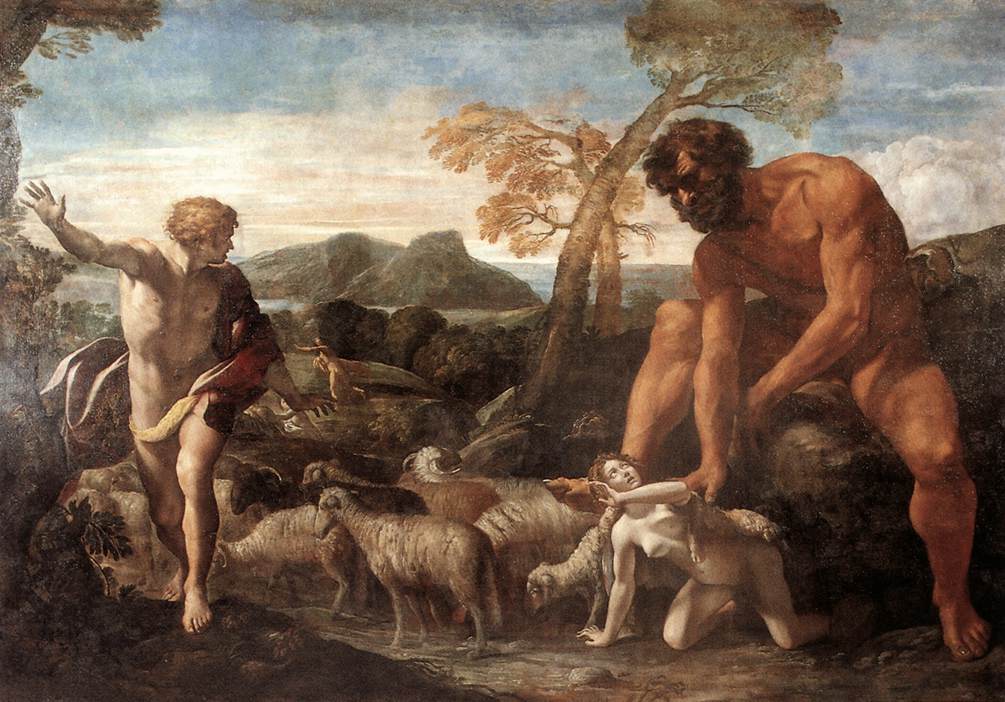


Typical characteristics
Descriptions vary by region and author, but common traits include:
- Great physical size and disproportionate strength.
- Coarse or misshapen features and rough clothing.
- Cannibalistic or child-eating tendencies in many traditional tales.
- Solitary behavior, living in wild places such as forests, caves or mountains.
The female counterpart is usually called an ogress, though stories sometimes blur gender roles or use different names in local languages.
Origins and literary history
The French word "ogre" became widely known in literary form after the 17th century. Notably, Charles Perrault included an ogre figure in his collection of tales published in the late 1600s; the creature appears in the story Little Thumbling, where translations have sometimes rendered the term closer to "giant" depending on the edition and language. Folkloric motifs that feed the ogre archetype are older and pan-European, reflecting fears of famine, child loss and predatory outsiders.
Cultural role and modern examples
Ogres serve several functions in storytelling: as monstrous antagonists embodying danger, as obstacles to test a hero's courage, and in contemporary media as sources of humor or pathos. They appear in fairy tales, fantasy novels, tabletop role-playing games and films, where authors adapt their appearance and behavior to fit moral or narrative aims.
Distinctions and related creatures
Ogres are often compared to giants, trolls and ogresses, but distinctions depend on tradition. Compared with giants, ogres are usually more bestial and explicitly anthropophagous. Trolls (in some Northern traditions) can share similar habitats and temperament but differ in origin myths and magical attributes. Folklore names and traits overlap widely, so local context determines precise meaning.
Notable facts
Although commonly frightening, the ogre figure has been reinterpreted many times. Contemporary portrayals may humanize the ogre, using the creature to explore themes of otherness, identity and redemption, while traditional tales preserve its role as a cautionary symbol against carelessness and social danger.
Related articles
Author
AlegsaOnline.com Ogre (mythical creature) Leandro Alegsa
URL: https://en.alegsaonline.com/art/72101