
Homer: ancient Greek epic poet of the Iliad and the Odyssey
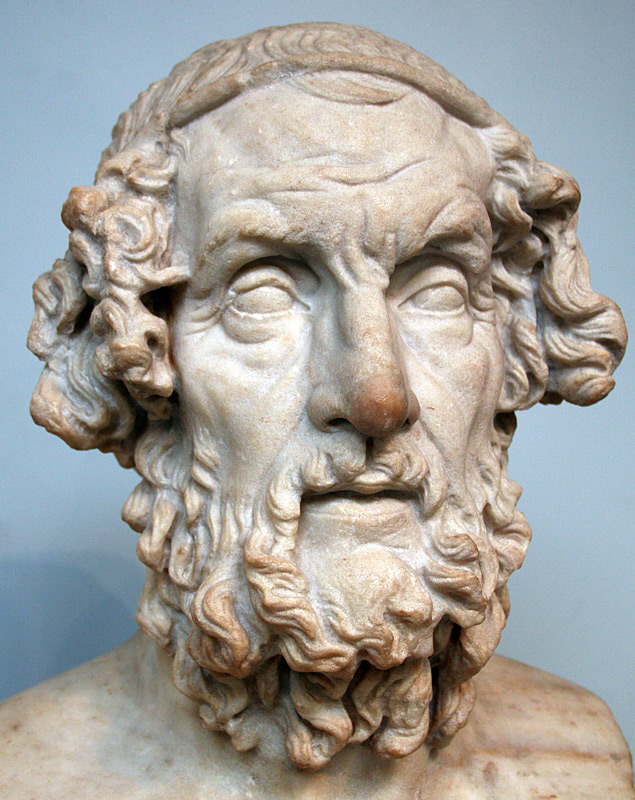
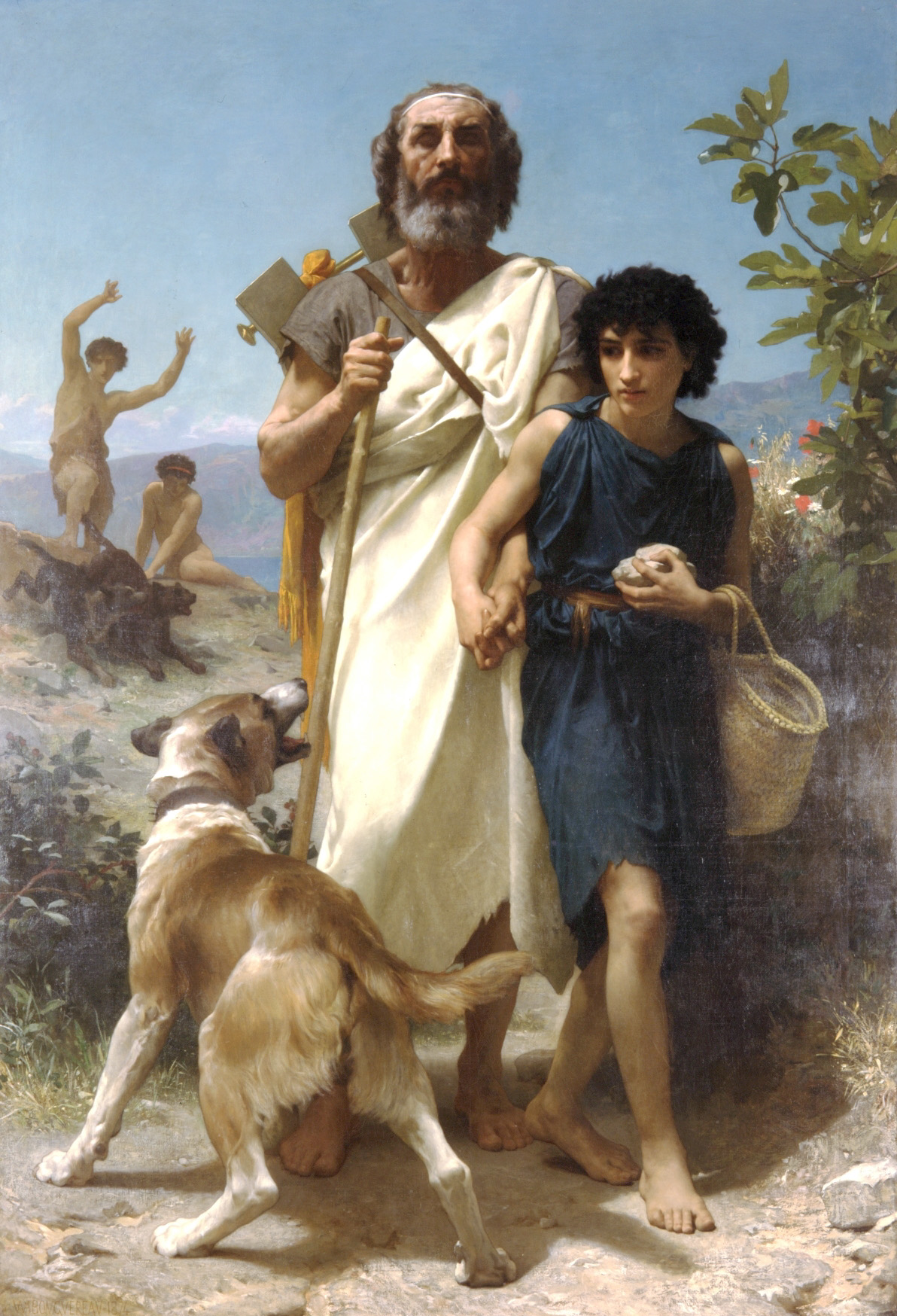
Homer is the traditional name given to the poet (or poets) of the Iliad and the Odyssey, foundational epic poems of ancient Greek literature with wide influence on later Western culture.
Overview
Homer is the conventional name attached to the author or authors of two epic poems, the Iliad and the Odyssey. These works survive as the earliest major texts of Greek literature and played a central role in the education and cultural memory of the ancient Greek world. They recount, respectively, a portion of the Trojan War and the long journey home of Odysseus.
Image gallery
10 Images





Composition and the "Homeric Question
Scholars debate whether a single historical figure named Homer composed both epics or whether the poems are the result of a long oral tradition shaped by many singers. This debate — known as the "Homeric Question" — recognizes the poems' roots in oral-formulaic composition: repeated phrases, epithets, and narrative patterns used by performers to create long works in performance.
Form and literary characteristics
Both epics are written in an elevated poetic diction traditionally rendered in dactylic hexameter in Greek and employ recurring formulae (such as stock epithets) and extended similes. The Iliad concentrates on wrath and fate within the context of warfare, while the Odyssey emphasizes cunning, homecoming, and the trials of long-distance travel. Central characters include Achilles and Hector in the Iliad, and Odysseus, Penelope, and Telemachus in the Odyssey.
Historical context and transmission
The stories draw on material associated with Late Bronze Age and early Iron Age Greece, preserving memories that link back to Mycenaean social and heroic traditions; related background is often described under Mycenaean culture. The poems were transmitted orally for generations and were first committed to written form centuries after the events they describe were supposed to have occurred. Existing manuscript traditions derive from later antiquity and the medieval period, and modern editions rest on scholarly reconstructions of those manuscript families.
Influence and legacy
From antiquity onward the epics shaped Greek ethics, religion, and education: they were memorized, recited and analyzed by scholars and schoolchildren. During the Hellenistic and Roman eras, the poems were commentated and edited; in later Western and global literatures their themes and characters continued to inspire poetry, drama, visual arts and modern translations. Debates about authorship, historical kernels, and poetic technique remain active in classical studies.
Notable facts
- Homeric epithets (for example, "swift-footed Achilles") helped oral performance and meter.
- The term "Homer" can mean a single poet, a poetic tradition, or a symbolic author for a set of works.
- The Iliad does not narrate the fall of Troy but focuses on a short episode near the war's end; the Odyssey is a complex wanderings-and-return narrative.
Questions and answers
Q: Who is Homer?
A: Homer is the name of the Greek poet.
Q: What did Homer write?
A: Homer wrote the epic poems the Iliad and the Odyssey.
Q: What is the significance of the Iliad and the Odyssey?
A: The Iliad and the Odyssey are among the greatest treasures of the ancient world, and the earliest works of Greek literature that have survived to the present day.
Q: What culture was the Iliad and the Odyssey a product of?
A: The Iliad and the Odyssey were a product of Mycenaean culture.
Q: What is the story of the Iliad?
A: The Iliad tells the story of the Trojan war, which took place around 1190 BC.
Q: When were the manuscripts of Homer written?
A: The manuscripts of Homer were written much later, probably later than 800 BC.
Q: Why are the Iliad and the Odyssey important to the study of ancient Greek literature?
A: The Iliad and the Odyssey are important to the study of ancient Greek literature because they represent the earliest examples of this genre and provide valuable insights into ancient Greek culture and society.
Related articles
Author
AlegsaOnline.com Homer: ancient Greek epic poet of the Iliad and the Odyssey Leandro Alegsa
URL: https://en.alegsaonline.com/art/44902
Sources
- wsu.edu : "Homer"
- atrium-media.com : "rogueclassicism: Homer a Woman?"
- controversialhistory.blogspot.com : "Controversies in History: Date of Homer"
- gradesaver.com : "Homer Biography - List of Works, Study Guides & Essays - GradeSaver"
- nndb.com : "Homer"
- webcache.googleusercontent.com : webcache.googleusercontent.com/search?q=cache:NtFnt7Nod-0J:www1.pu.edu.tw/~bmon/Literatur…
- greeka.com : "Homer buried in Ios island - Greeka.com"
- en.wikisource.org : Homer
- commons.wikimedia.org : Homer
- wikidata.org : wikidata.org/wiki/Q6691
- authority.bibsys.no : 90069675
- catalogo.bne.es : XX907843
- catalogue.bnf.fr : cb11907688f
- data.bnf.fr : (data)
- cantic.bnc.cat : a1010107x