
Oeneus — King of Calydon and Patron of Winemaking
Oeneus, a mythic king of Calydon in Aetolia, credited with introducing winemaking after instruction by Dionysus; central to the Calydonian Boar myth and ancestor to several legendary heroes.
Oeneus (Ancient Greek: Οἰνεύς) is a figure of Greek mythology best known as the king of Calydon in the region of Aetolia. Traditions portray him as a lawful ruler who brought viticulture to his people after being taught the craft by the god Dionysus. His name and deeds are woven into a cluster of myths that connect royal households, heroic hunts and divine favor or punishment.
Image gallery
2 Images
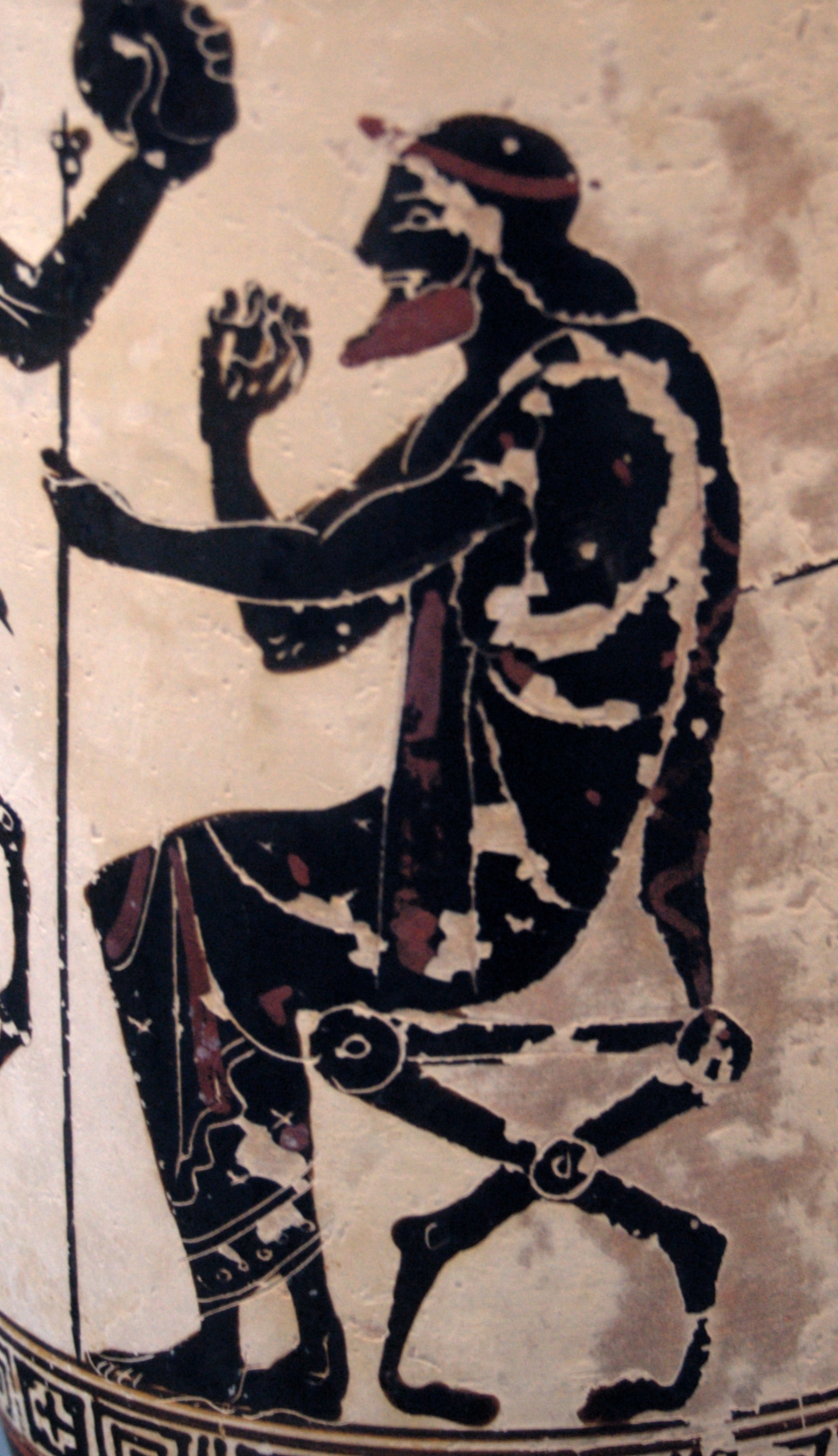
Role and characteristics
Oeneus is typically depicted as a hospitable and pious monarch who maintained sacrificial rites and agricultural order in his kingdom. Stories emphasize his association with wine—both as a cultural innovation and as an attribute that linked his family to Dionysian rites. Accounts vary about his temperament and later misfortunes, but many emphasize his importance as a civilizing figure who taught new skills to his people.
Family and mythic connections
Oeneus appears as the head of a large mythic household that produced several notable figures. Commonly mentioned relatives include:
- Althaea – often named as his wife;
- Meleager – his son, famed for leading the Calydonian Boar Hunt;
- Deianeira – a daughter who in many tales becomes the wife of Heracles;
- Tydeus – sometimes listed as a son and ancestor of Diomedes in later epic cycles.
Genealogies differ between sources, and poetic accounts present multiple variants of who exactly belongs to his household.
The Calydonian Boar and divine offense
One of the best-known episodes connected to Oeneus concerns a grave religious oversight: he neglected to honor the goddess Artemis during seasonal rites. According to myth, Artemis retaliated by sending a monstrous boar to ravage Calydon. The destructive beast provoked the famous Calydonian Boar Hunt, an event that gathered many heroes—among them Atalanta and Meleager—and became a frequent subject in later literature and art.
Reception and legacy
Oeneus' story circulated widely among classical poets and tragedians and continued to surface in later artistic and literary traditions. His association with winemaking explains the etymological and cultural link between his name and oinos, the Greek word for wine. As a transitional figure who links divine instruction, royal rule and heroic sagas, he occupies an intermediate but durable place in the Greek mythic landscape.
Because ancient storytellers preserved multiple versions, Oeneus' later fate—his loss of power, exile or restoration—varies by source. The multiplicity of accounts has made him a useful character for exploring themes of piety, political fragility and the interplay of human error with divine consequence.

Related articles
Author
AlegsaOnline.com Oeneus — King of Calydon and Patron of Winemaking Leandro Alegsa
URL: https://en.alegsaonline.com/art/71995