
Trojan War: Myth, Sources, and Historical Context
An overview of the Trojan War covering its literary sources, principal figures, archaeological discovery, debates over historicity, and cultural legacy.
The Trojan War is a foundational episode of ancient Greek tradition describing a protracted conflict between the city of Troy and a coalition of Achaean (Greek) forces. It is best known from the epic poem the Iliad, attributed to the poet Homer. The war mixes legendary heroes, divine interventions and events that later generations treated as both moral tale and cultural memory. In many accounts the narrative is framed by the quarrel between Helen of Troy and her husband Menelaus, and the rage of the hero Achilles—figures whose stories were shaped over centuries by oral tradition and literary refinement.
Image gallery
10 Images





Primary sources and characters
Most surviving narrative detail comes from epic poetry, later tragedians, and summaries by classical authors. The epic corpus depicts gods taking direct roles: for example, Hermes and Hermes and Athena are repeatedly named as divine supporters of particular mortals. The campaign features well-known characters—Agamemnon, Odysseus, Achilles, Hector—and set pieces such as the duel of Paris and Menelaus, sieges and raids, and the eventual stratagem of the wooden horse.
Archaeology and historicity
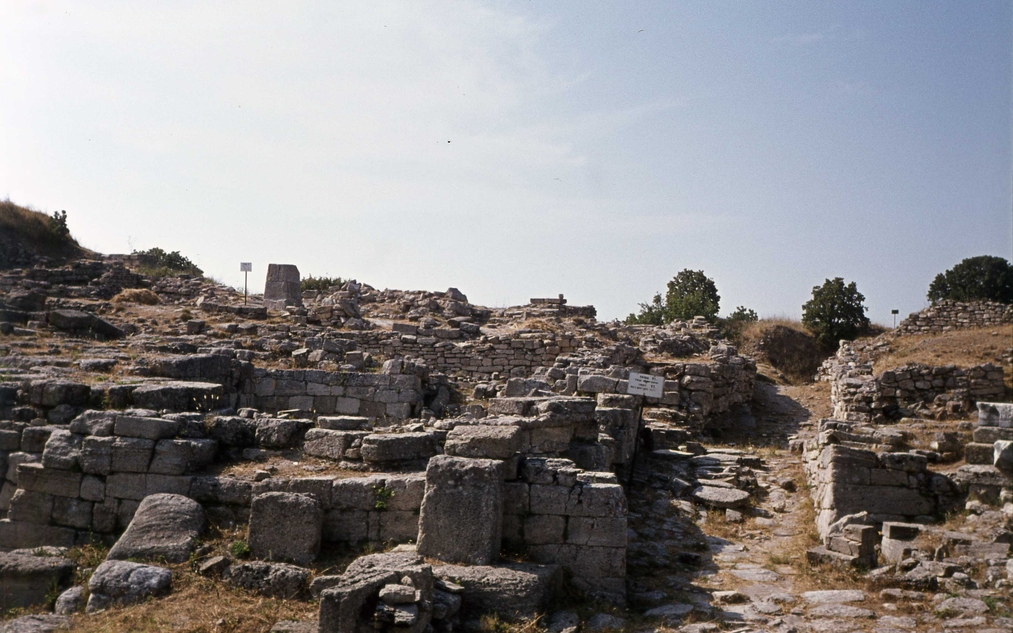
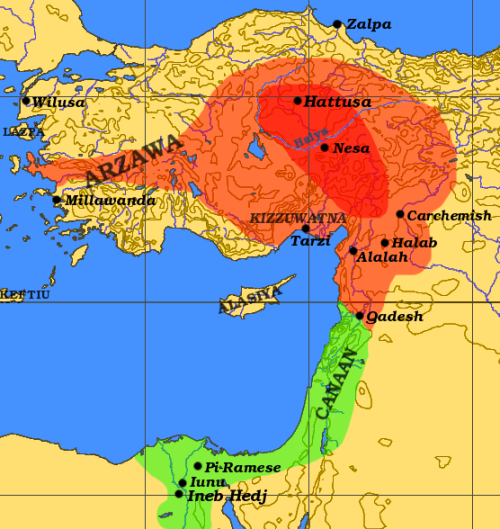
For much of the nineteenth century many scholars regarded the war as purely mythic. Excavations at the mound known as Hisarlik in modern Turkey were undertaken by figures such as Heinrich Schliemann, who sought a material Troy near the Aegean Sea. Subsequent archaeological work has revealed multiple occupation layers at the site and weaponry, fortifications and signs of destruction in several phases. While there is no direct inscription proving the Homeric tale, many historians now consider that a series of conflicts in the late Bronze Age (often assigned to the 13th–12th centuries BC) provided a factual backdrop for the later epic tradition. See also Bronze Age studies referenced at Bronze Age.
Material culture and iconography
Greek vase-painting and sculpture transmitted scenes from the war across centuries. One famous class of Attic ceramics, the black-figure neck-amphora, portrays funeral and combat scenes; museums such as the Louvre house examples. The term Attic identifies the Athenian production context for many of these images. Such objects illustrate how artists and audiences reworked epic motifs for visual and ritual contexts.
Legacy and distinctions
The Trojan cycle occupies a distinctive place between myth and history. Literary texts like the Iliad and the Odyssey formed the core of Greek education and identity; later dramatists and Roman authors adapted episodes for new purposes. Modern study combines philology, comparative mythology, and archaeology to tease apart layers of tradition. For introductions and bibliographic gateways consult general resources and curated collections at Trojans and related entries. Further reading and visual catalogues are available through research portals marked at Homeric studies and specialized archives at Achilles and Hermes.
- Key points: literary epic origin, Late Bronze Age context, archaeological corroboration, and long cultural impact.
- Notable sites and finds: Hisarlik/Troy, Aegean connections, pottery and fortification remains—see museum catalogues and field reports at Athena and black-figure.
- Research approaches: archaeology, textual criticism, comparative history—use overviews at Schliemann studies and modern syntheses at Aegean.
Because the Trojan War sits at the crossroads of storytelling and material evidence, it remains a central subject for understanding how ancient societies remembered, reshaped and transmitted their past. For museum displays and educational summaries consult public resources and curated collections at Bronze Age portals and national archives indicated by the placeholders above.
Questions and answers
Q: What is the Trojan War?
A: The Trojan War was a significant war that took place in the late Bronze Age between the Trojans and the Greeks.
Q: How is the Trojan War mostly known?
A: The Trojan War is mostly known through the Iliad, which is an epic poem written by the Ancient Greek poet Homer.
Q: Did scholars in the past believe that Troy and the war were real?
A: No, in the middle 19th century, scholars thought that Troy and the war were mythical and never existed.
Q: Who discovered the site of ancient Troy?
A: Heinrich Schliemann discovered the site of ancient Troy.
Q: Where is the site of ancient Troy located?
A: The site of ancient Troy is located across the Aegean Sea on Asia Minor.
Q: When may the Trojan War have taken place?
A: The Trojan War may have taken place in the 12th century BC.
Q: What is depicted in the image on the black-figure neck-amphora?
A: The image on the black-figure neck-amphora depicts Hermes and Athena protecting the dead Achilles, with his body located in the middle.
Tags
Related articles
Author
AlegsaOnline.com Trojan War: Myth, Sources, and Historical Context Leandro Alegsa
URL: https://en.alegsaonline.com/art/101622
Sources
- commons.wikimedia.org : Trojan War