
Hermes — Greek god of messengers, travel, and boundaries
Hermes is a multifaceted deity in Greek religion: messenger of the gods, guide of souls, patron of travellers, commerce, thieves, and inventor of the lyre; son of Zeus and Maia.
Overview
Hermes is an important figure in Greek mythology, commonly portrayed as the fleet-footed messenger of the gods and a deity who governs movement, communication, and the crossings of boundaries. As one of the Twelve Olympians, he performs a variety of roles: divine herald, guide of souls to the underworld (psychopomp), protector of travellers, and patron of trade and cunning. Classical sources present him as clever, adaptable and sometimes trickster-like.
Image gallery
10 Images



Origins and family
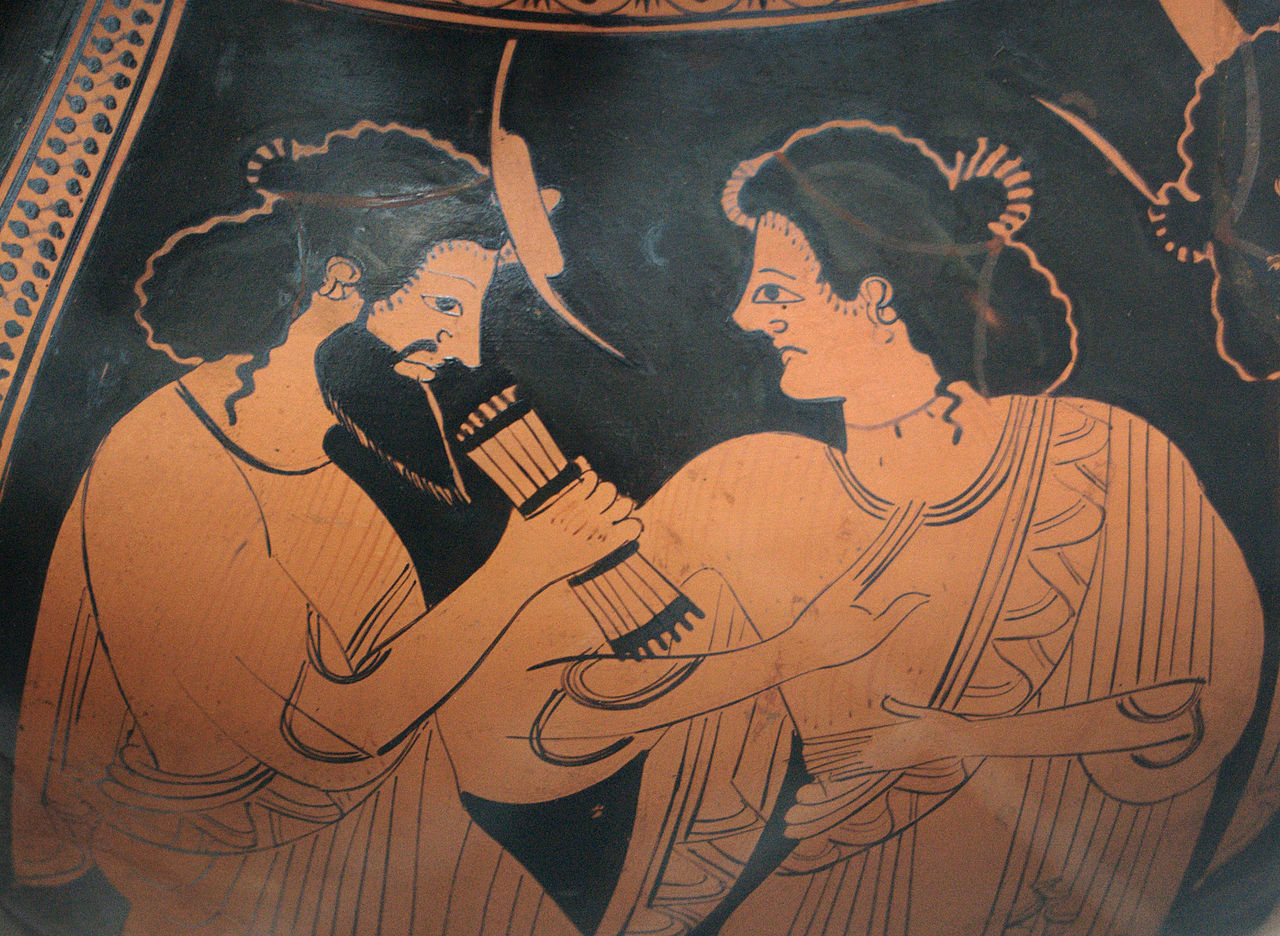
According to tradition, Hermes is the son of Zeus and the nymph Maia, born on Mount Cyllene in Arcadia. Early poems and hymns, such as the Homeric Hymn to Hermes, relate his precocious infancy: by the end of his first day he had already invented the lyre using a tortoise shell and engaged in mischief that set up important relationships with other gods.
Functions, attributes and symbols
Hermes’ character blends practical and liminal powers. He is associated with:
- Travel and protection — guardian of travellers and herdsmen, including travellers and shepherds.
- Communication and commerce — patron of merchants, negotiators and the exchange of messages.
- Boundary-crossing — escort of souls between worlds and mediator between gods and humans.
- Trickery and invention — credited with inventing musical and practical objects, sometimes guiding thieves and cheats.
Common iconography includes a winged cap or helmet, winged sandals, and the caduceus — a staff often shown with entwined serpents. Classical stories also detail his creative use of a tortoise shell to fashion the lyre.
Major myths and stories
A famous episode tells how the infant Hermes stole the cattle of Apollo and cleverly hid the theft; the dispute was settled when Hermes gave Apollo the lyre he had made, establishing a bond between them. Myths like these emphasize Hermes’ intelligence, speed and ambiguous morality — both helper and deceiver. He appears in many epic and dramatic narratives as a divine messenger, delivering commands and leading heroes.
Worship, cult and legacy
Worship of Hermes took diverse forms in the ancient Greek world, from roadside herms (stone pillars) marking boundaries to household and marketplace cults. Festivals and local rites celebrated his roles in travel, fertility of flocks, and safe conduct. In Roman religion he was identified with Mercury, who inherited many of his functions. Over centuries Hermes has remained a potent symbol for communication, commerce and transitions in art, literature and popular imagination.
For further reading on specific aspects — iconography, textual sources and archaeological evidence — consult specialist resources and translations of classical hymns and myths via library and academic portals such as traveller accounts and curated collections at scholarly sites (nymph traditions, Zeus’ genealogy, Maia’s myth, Olympian lists, pastoral rites, musical instruments, animal symbolism).
Related articles
Author
AlegsaOnline.com Hermes — Greek god of messengers, travel, and boundaries Leandro Alegsa
URL: https://en.alegsaonline.com/art/43818