
Penelope: Wife of Odysseus and enduring symbol of fidelity
Penelope, queen of Ithaca in Homeric tradition, is celebrated for her fidelity, cunning (the weaving ruse), and the recognition scene with Odysseus; her story influenced literature, art, and discussions of gender and loyalty.
Overview
Penelope is one of the most familiar female figures from ancient Greek epic tradition. Presented most prominently in the narrative cycle associated with the Trojan War, she is portrayed as the wife of Odysseus and queen of Ithaca, and the mother of Telemachus. In many accounts she embodies a combination of personal loyalty and practical intelligence. Her story appears within a wider corpus of material about the gods, heroes and households of the archaic Greek world; for general background see mythological context.
Image gallery
8 Images




Family, background and early references
Ancient storytellers commonly describe Penelope as coming from an aristocratic house and as connected by kinship to other important figures in the Greek heroic tradition. While details vary among poets and later writers, the basic outline—that she is Odysseus's wife and mother to Telemachus—remains stable. Later classical commentaries and artistic depictions expanded on her genealogy and domestic role, often to make broader points about lineage, succession and the responsibilities of queenship.
The Odyssey: absence, suitors and stratagems
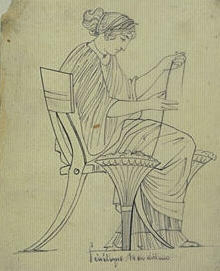
In the best-known telling, during Odysseus's long journey home after the war many nobles and wealthy men come to the palace seeking marriage to Penelope. Their presence threatens the lawful order of the household and the succession of her son. To delay remarriage and preserve control of her estate, Penelope uses a well-known strategy: she promises to choose a husband only after finishing a great weaving, a funeral garment for Odysseus's father. Each day she works at the loom and each night secretly unravels the fabric, prolonging the project. This ruse has been read as an act of resistance, of tactical deception, and as evidence of her political skill in navigating a dangerous situation.
Recognition and the return of Odysseus
When the husband eventually returns in disguise, the household faces a dramatic test. The narrative includes a scene in which Penelope requires certain proofs of identity before she accepts Odysseus as her husband; one famous element of the tradition is the account of the bed that cannot be moved, a piece of intimate knowledge only the true Odysseus would know. The crisis culminates in a violent confrontation with the suitors, after which the household and social order are restored—though later commentators and readers have debated the moral and legal aspects of the outcome.
Themes and interpretations
- Fidelity and patience: Classical tradition frequently treats Penelope as a model of conjugal fidelity and prudent waiting, an emblem used in moral and literary discourse to praise constancy.
- Agency and cunning: Modern readers often emphasize her intelligence and resourcefulness. The weaving episode and her interactions with those who press her to remarry show a degree of agency often overlooked in older readings.
- Ambiguity: Some later retellings and skeptical readings question whether Penelope's loyalty is absolute or whether her picture in the epics simplifies a more complicated reality. Different authors vary in sympathy and emphasis.
Artistic and cultural legacy
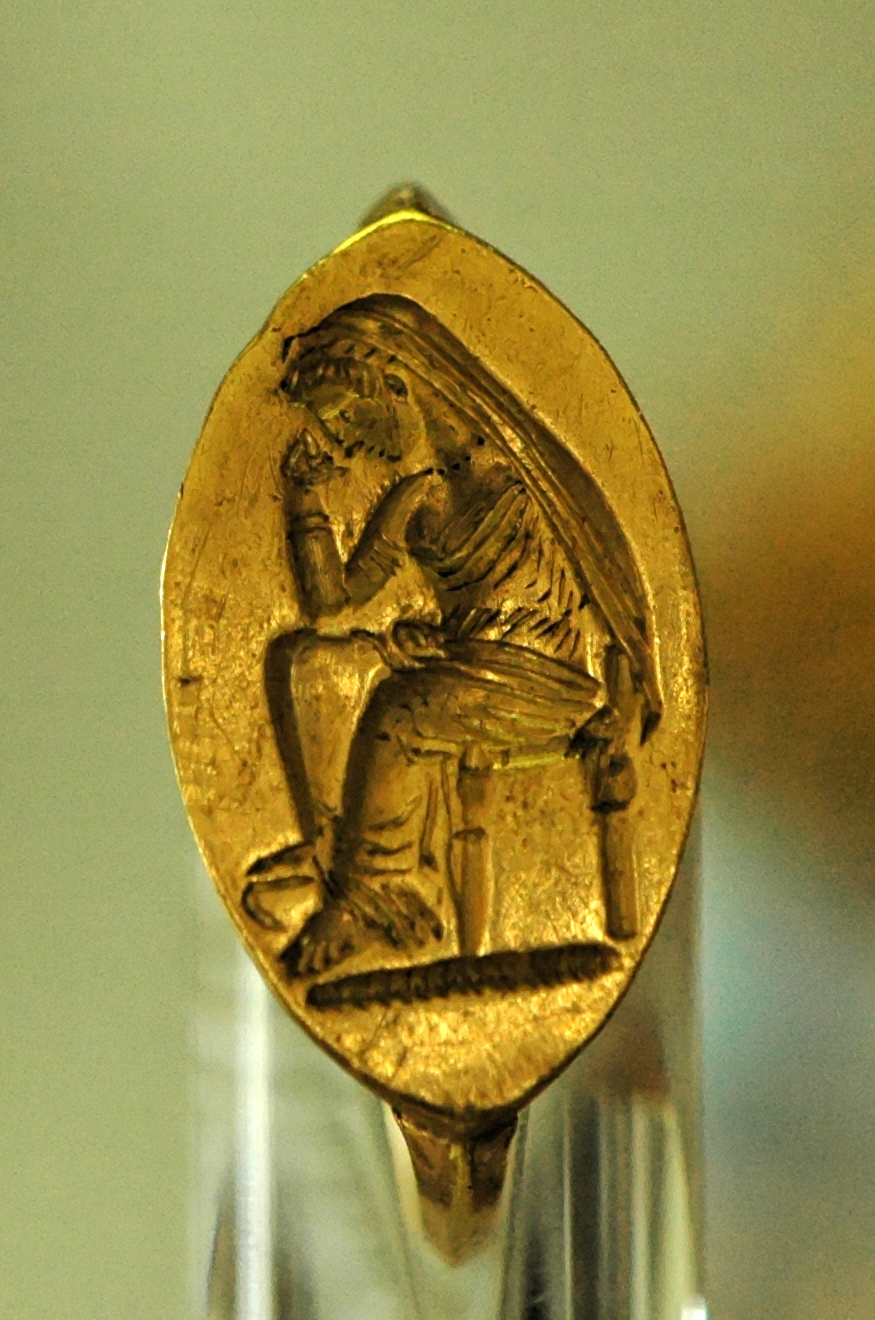
Penelope's story has appeared across centuries of art and literature. She is depicted on ancient pottery, discussed in classical scholarship, and reimagined in plays and novels from later antiquity to modern times. Artists and writers have appealed to the weaving motif, the recognition scene and the ethical dilemmas in the tale to explore ideas about marriage, memory, female intelligence and the limits of vengeance. For studies of her symbolic afterlife see materials on symbolism and narrative reception.
Comparative and modern perspectives
Comparative scholars and feminist critics have used Penelope to investigate ancient gender roles and the ways women exerted influence in male-dominated societies. The image of a woman maintaining a household through cunning rather than force invites discussion of the varied forms of power available to women in antiquity. Her situation—balancing private loyalty and public expectation—also resonates with broader themes about exile, return, and familial continuity in narrative traditions about the sea and the journey home, issues often linked to the motif of the return journey.
Sources and further reading
Primary narrative material about Penelope appears in epic accounts and later summaries and commentaries. Scholarly works that discuss her role examine both the original epic narrative and its reception in later art, drama and commentary; topics commonly addressed include the weaving motif, ritual and funerary contexts such as the garment she claims to make (funeral and ritual references), and the textual and iconographic traditions that shape how she has been remembered. Further resources and overviews can be found in introductory treatments of the legendary cycle and in collections that focus on gender and heroism.
For general context and links to primary passages and commentary see: mythological context, Odysseus narratives, Ithacan setting, Telemachus and family, symbolism, return journeys, weaving motif, funeral and ritual.
Related articles
Author
AlegsaOnline.com Penelope: Wife of Odysseus and enduring symbol of fidelity Leandro Alegsa
URL: https://en.alegsaonline.com/art/75550