
Noble metal
A class of metals resistant to oxidation and corrosion; includes gold, silver, platinum group metals and others used in jewelry, catalysis, electronics and specialized industrial roles.
Overview
A metal is called a noble metal when it shows exceptional resistance to chemical attack, especially to oxidation and corrosion in ordinary environments. This group is valued for stability and useful physical properties such as good electrical conductivity, malleability and often attractive appearance.
Image gallery
10 Images


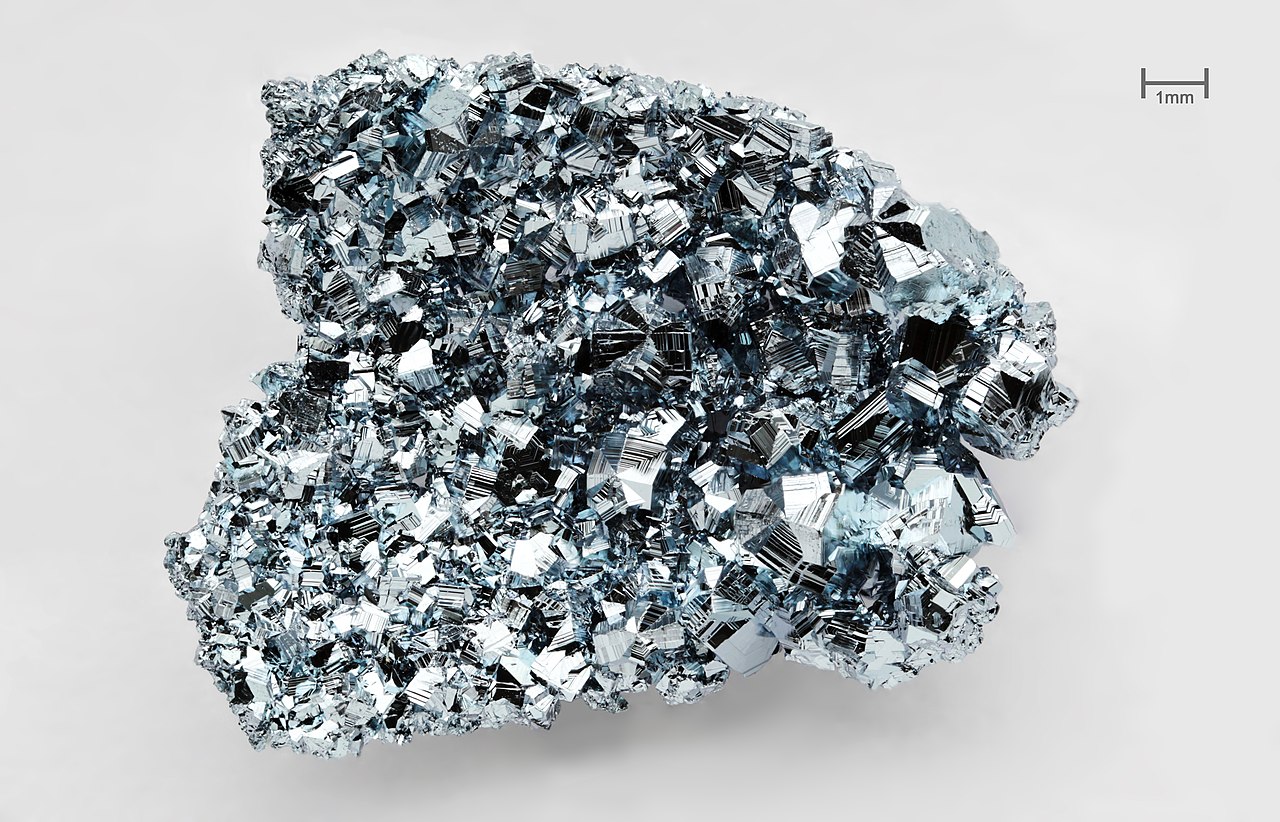
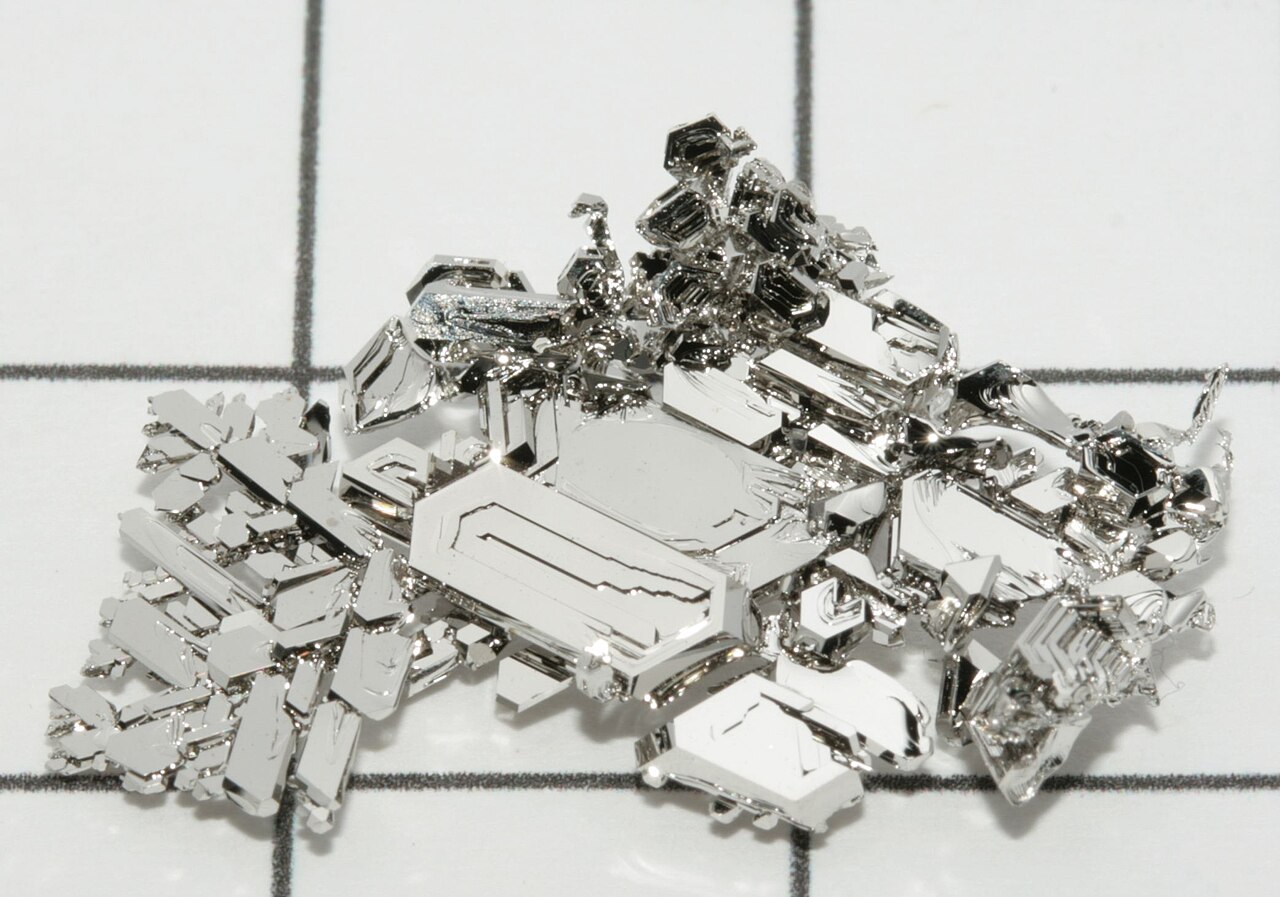


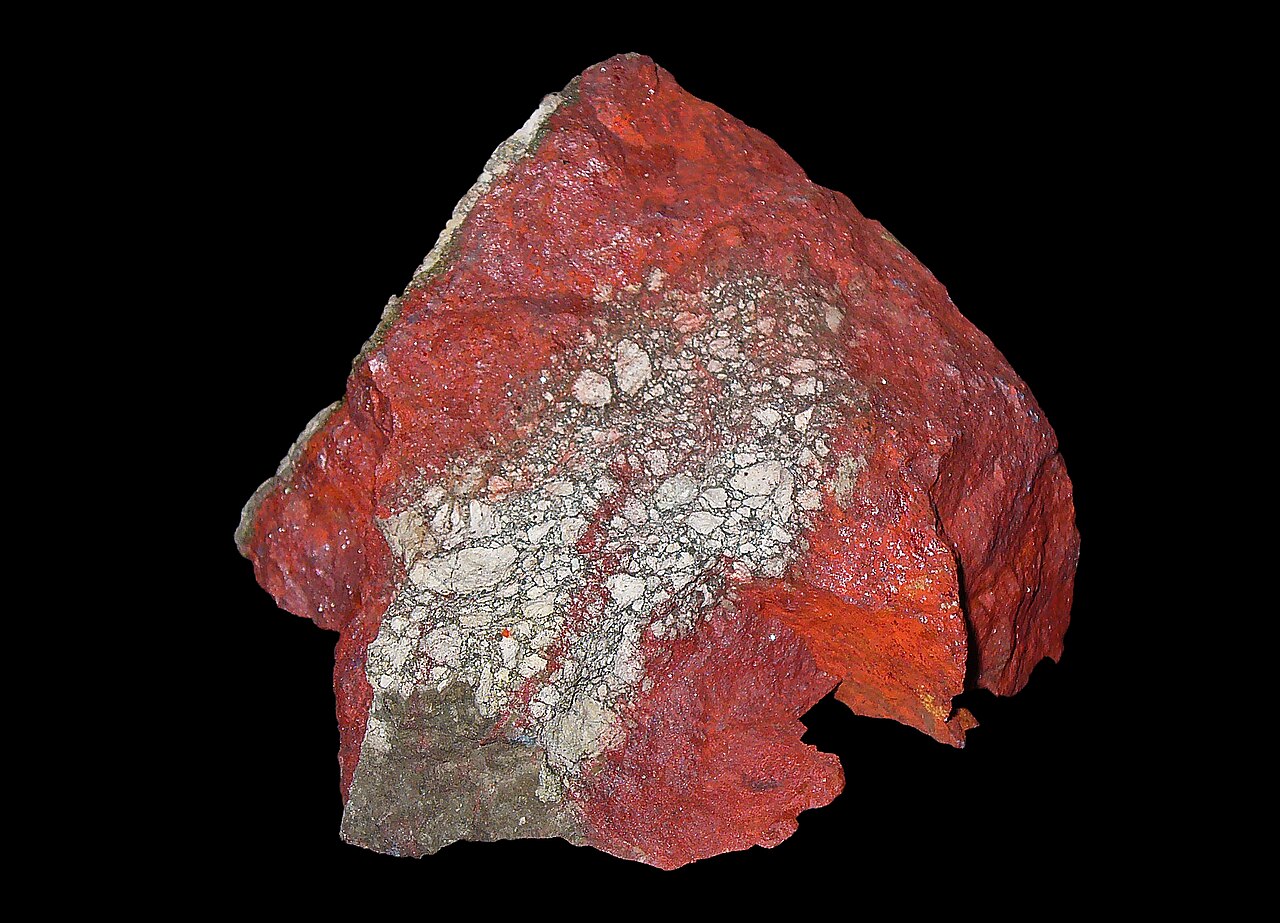

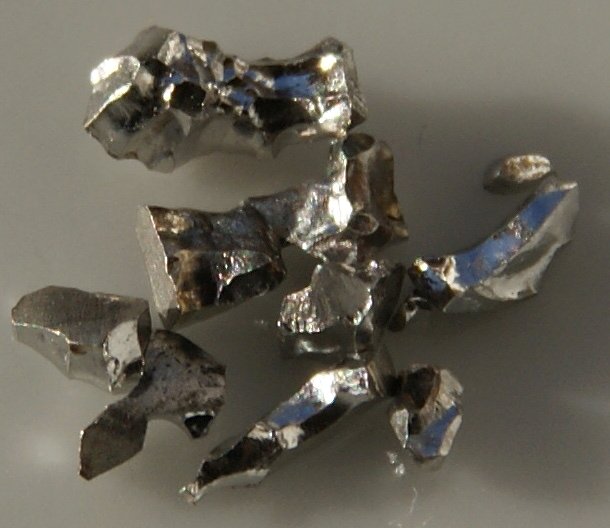
Key characteristics
Noble metals resist tarnishing and do not react readily with air, acids or bases under normal conditions. They often form few stable oxides and maintain their surface luster. Because of these properties they are preferred in applications where longevity, low reactivity and electrical performance matter.
Common examples
- Gold — famed for corrosion resistance and inertness.
- Silver — highly conductive though it can tarnish from sulfur compounds.
- Platinum — widely used in catalysts and jewelry.
- Iridium — notable for extreme corrosion resistance and high melting point.
- Palladium — an important catalyst and electronic material.
- Occasionally mercury and copper are discussed in relation to nobility, depending on the definition used.
History and occurrence
The concept of nobility has roots in early alchemy and the metallurgical value placed on metals that did not tarnish. Many noble metals are scarce in nature, occurring in low concentrations in ores and placer deposits, which contributes to their high market value. They are unevenly distributed in the Earth’s crust and are typically extracted as by-products of other mining operations; see Earth's crust composition for context.
Uses and importance
- Jewelry and bullion, where appearance and stability are prized.
- Catalysis — platinum-group metals and palladium are essential in many chemical processes and emission control systems.
- Electronics and connectors — prized for reliable conductivity and resistance to corrosion; see electronics.
- Specialized industrial roles such as sensors, glassmaking and biomedical devices, and areas of chemical engineering.
Distinctions and notable points
Definitions of "noble" vary: some lists treat only the platinum-group metals plus gold and silver as noble, while broader definitions include elements like mercury or copper in certain contexts. Conversely, metals such as titanium resist corrosion through a stable oxide layer but are usually not called noble because they form strong, protective oxides rather than remaining chemically inert. The precise boundary depends on chemical behavior, historical usage, and practical application rather than a single formal criterion.
For further reading, consult introductory materials on metals and metallurgy or specialized pages on individual elements and their industrial roles. Related topics include corrosion science, catalysis, and the economics of scarce materials.
Related articles
Author
AlegsaOnline.com Noble metal Leandro Alegsa
URL: https://en.alegsaonline.com/art/70497