
Mercury (element) — Hg, atomic number 80
Mercury (Hg) is a dense, silvery metal that is liquid at room temperature. Known as quicksilver or hydrargyrum, it has distinctive physical properties, wide historical uses, and serious health and environmental concerns.
Mercury, also called quicksilver or by its classical name hydrargyrum, is a chemical element notable for being the only metal that is liquid under normal ambient conditions. Its chemical symbol is Hg, its position on the periodic table is well established, and it is assigned atomic number 80 with an atomic mass near 200.59. For a concise overview or technical profile see the element entry at element profile.
Image gallery
10 Images


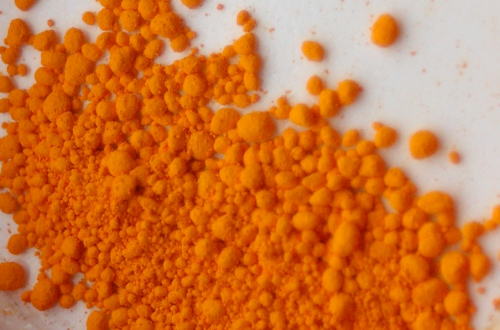


Physical and chemical characteristics
Mercury is a dense, silvery metal with high surface tension that forms rounded droplets. It conducts electricity and forms alloys called amalgams with many metals. In chemical reactions it most commonly shows a +2 oxidation state and can be converted into various inorganic and organic compounds. Its vapor is volatile at ordinary temperatures, which is important for both practical use and safety.
History and name
The metal has been known since antiquity and appears in the literature and artifacts of ancient China, India, Egypt and Greece. Alchemists prized mercury for its fluid appearance and combination of metallic luster with liquid behaviour. The modern chemical name derives from the Greek-Latin hybrid hydrargyrum, meaning "watery silver," a description echoed by terms such as liquid silver and traditional labels like quicksilver.
Uses and examples
- Historical scientific instruments: thermometers, barometers and manometers relied on mercury's uniform thermal expansion.
- Electrical devices: switches and certain types of relays used mercury for reliable contact.
- Industrial and artisanal applications: amalgamation in small-scale gold recovery and some chemical processes.
- Lighting: mercury vapor is employed in fluorescent and high-intensity discharge lamps.
Health, environment and modern practice
Mercury and many of its compounds are toxic. Organic forms, particularly methylmercury, bioaccumulate in aquatic food chains and can damage the nervous system. Because of these risks, many uses have been reduced or phased out and safer alternatives are preferred for medical, industrial and consumer products. Regulations and advisories often guide safe handling, disposal and dietary choices related to mercury exposure.
For further technical data, regulatory guidance and historical context, consult a detailed reference or database entry such as element profile or specialized resources on chemistry and environmental health.
Questions and answers
Q: What is Mercury?
A: Mercury is a chemical element with the symbol Hg and atomic number 80.
Q: How is it pronounced?
A: It is pronounced "hai-DRAR-jər-əm".
Q: What does the symbol Hg stand for?
A: The symbol Hg stands for its Latinized Greek name hydrargyrum, meaning watery or liquid silver.
Q: What is its atomic mass?
A: Its atomic mass is 200.59.
Q: Is there another name for Mercury?
A: Yes, it is also known as quicksilver or hydrargyrum.
Q: Where can we find Mercury on the periodic table?
A: Its symbol on the periodic table is Hg.
Q: What does its Latinized Greek name mean?
A: Its Latinized Greek name hydrargyrum means watery or liquid silver.
Related articles
Author
AlegsaOnline.com Mercury (element) — Hg, atomic number 80 Leandro Alegsa
URL: https://en.alegsaonline.com/art/63916
Sources
- dictionary.reference.com : "quicksilver definition"
- ec.gc.ca : "Mercury and the environment — Basic facts"
- dartmouth.edu : "Mercury — Element of the ancients"
- chinaculture.org : "Qin Shihuang"
- www-d0.fnal.gov : The Elements, in Handbook of Chemistry and Physics 81st edition
- periodic.lanl.gov : "Francium"
- pubs.acs.org : "C&EN: It's elemental: the Periodic Table – Caesium"
- antoine.frostburg.edu : "Why is mercury a liquid at STP?"
- pubsites.uws.edu.au : IMA/CNMNC List of Mineral Names
- gly.uga.edu : gly.uga.edu/railsback/Fundamentals/SFMGMineralDefinition09-II.pdf
- gly.uga.edu : gly.uga.edu/railsback/Fundamentals/SFMGMineralDefinition09-III.pdf
- fda.gov : "Thimerosal in Vaccines"
- straightdope.com : "What happened to Mercurochrome?"
- indiana.edu : "Syphilis in history"
- news.nationalgeographic.com : "Did Mercury in "Little Blue Pills" Make Abraham Lincoln Erratic?"