
Iridium (element 77)
Iridium is a rare, dense transition metal (symbol Ir, atomic number 77) in the platinum group, noted for extreme corrosion resistance, high melting point, and specialized industrial and scientific uses.
Overview
Iridium is a chemical element with atomic number 77 and the symbol Ir. It belongs to the platinum group of transition metals and is notable for its exceptional density, hardness, and resistance to chemical attack. It appears as a silvery-white metal under normal conditions and is one of the least abundant elements in Earth's crust.
Image gallery
10 Images




Key physical and chemical characteristics
Iridium is among the densest elements (about 22.5 g/cm³) and has a very high melting point (around 2,446 °C). It is hard and brittle in bulk form but can be worked into alloys. Chemically it is remarkably inert: it withstands oxidation and corrosion even at elevated temperatures. Common oxidation states range from +1 to +6, with +3 and +4 most frequently encountered in compounds. For reference on its placement, see the periodic table entry for this metal.
Occurrence and history
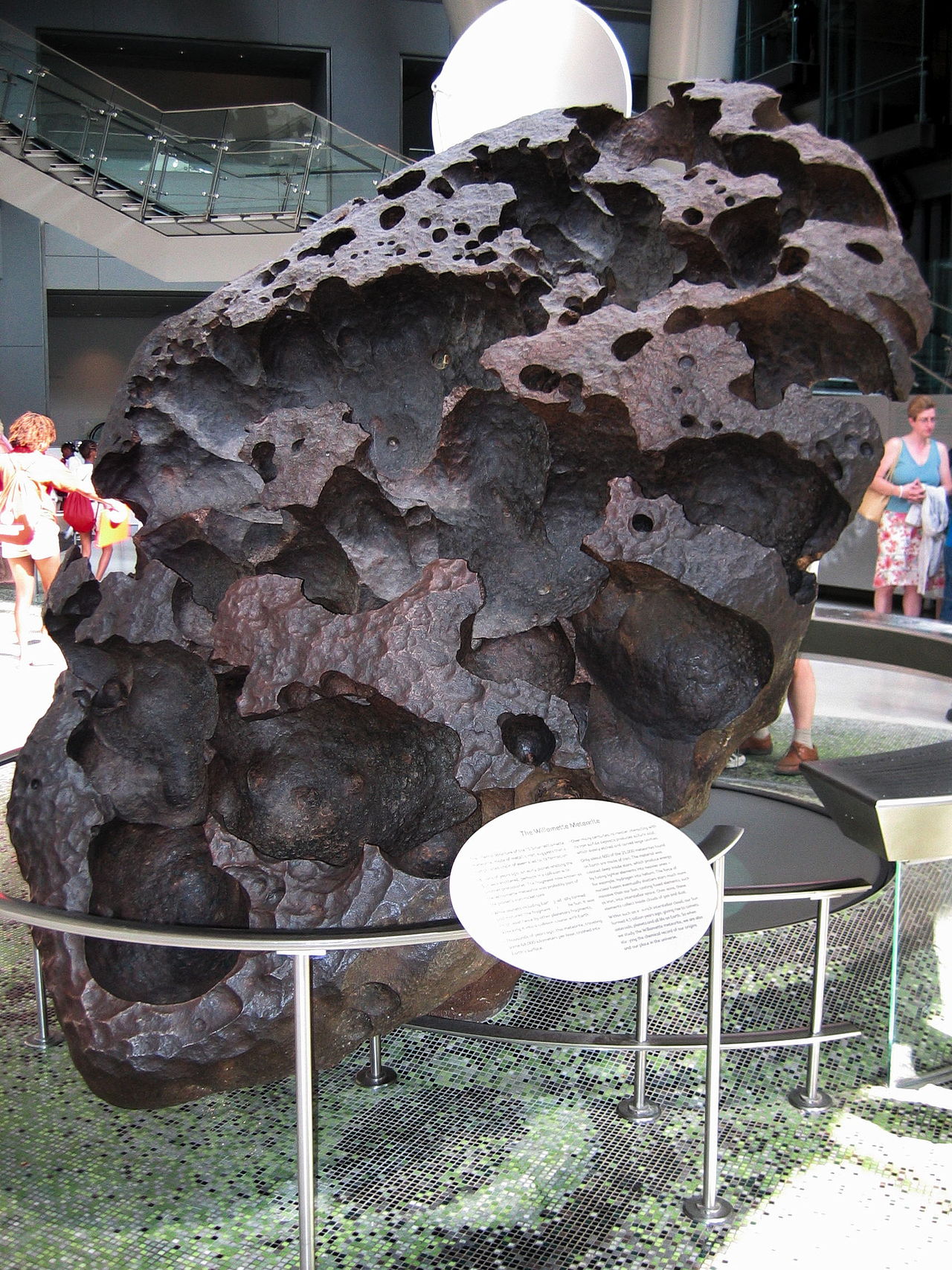
Iridium is extremely scarce in the Earth's crust and is typically recovered as a byproduct of nickel, copper and platinum mining. It is also found in higher concentrations in some meteorites — a fact that gained attention in geology because an anomalous iridium-rich layer in the geologic record helped identify the asteroid impact associated with the end-Cretaceous extinction. The element was discovered in the early 19th century from residues remaining after dissolving platinum ores; its name derives from the Latin for rainbow, a reference to the colorful salts it forms.
Uses and applications
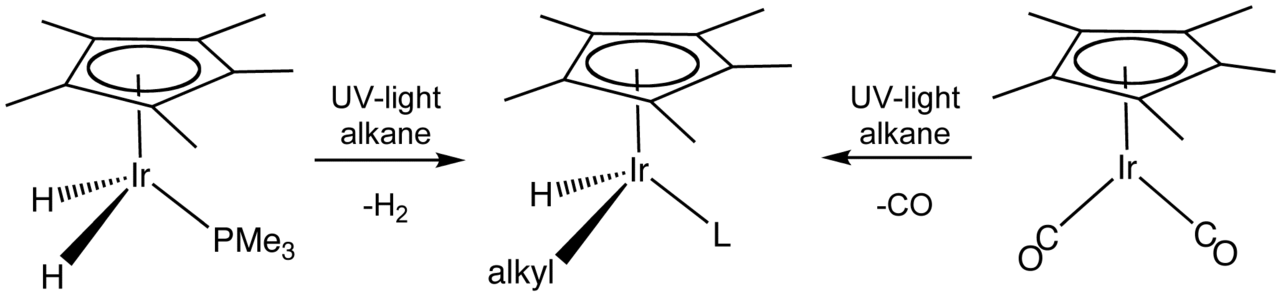
- Catalysis: Iridium compounds and supported iridium are used as catalysts in chemical synthesis and in certain industrial oxidation reactions.
- Alloys and high-temperature materials: Small additions of iridium improve the strength and corrosion resistance of platinum and other alloys; these alloys have been used for crucibles, engine parts, and the historic international kilogram prototype.
- Electronics and ignition: Iridium is used for electrical contacts, spark plug electrodes, and components that require durability at high temperatures.
- Medical and industrial isotopes: Radioisotopes of iridium (notably iridium-192) are applied in industrial radiography and some forms of cancer therapy; such uses require specialised handling.
Notable facts and distinctions
Iridium is one of the most corrosion-resistant metals and is grouped with platinum, palladium, rhodium, osmium and ruthenium as the platinum-group metals. Its rarity and physical robustness make it valuable but expensive. For concise technical data and periodic context consult an authoritative element entry such as element 77.
Safety note: Metallic iridium is relatively inert, but soluble iridium compounds and radioactive isotopes present health hazards and must be handled under appropriate controls.
Related articles
Author
AlegsaOnline.com Iridium (element 77) Leandro Alegsa
URL: https://en.alegsaonline.com/art/48150