
Ochre (Ocher): natural earth pigment and its uses
Ochre is a natural earth pigment of hydrated iron oxides, producing yellow to red-brown tones. Used since prehistory in art, decoration, cosmetics and building materials.
Overview
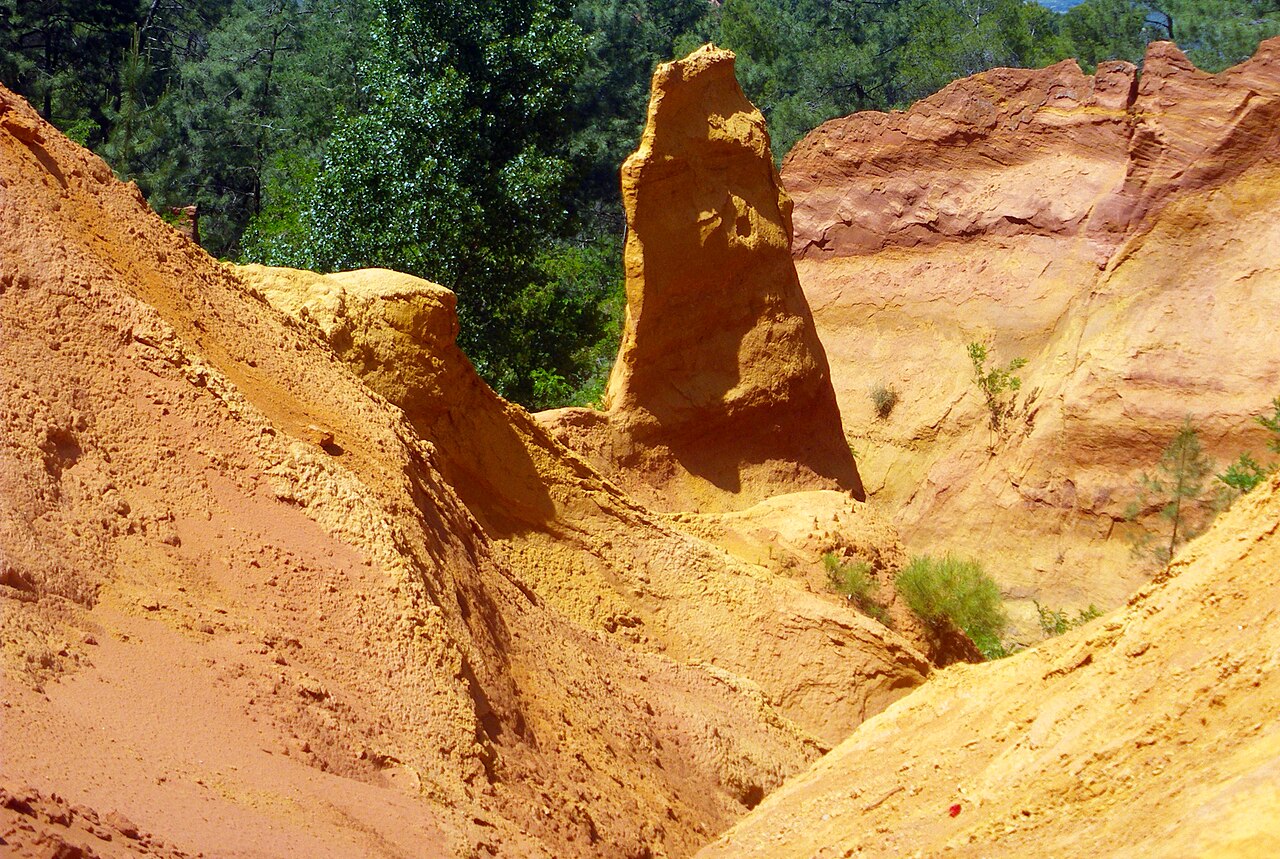
Ochre (also spelled ocher) is a natural pigment composed primarily of hydrated iron oxides and mineral clays. The name derives from the Greek word ochros, meaning pale yellow. Ochre occurs in a range of warm tones from pale yellow through deep red-brown and has been employed as a coloring material and dye across many cultures. For information on specific color terminology see color references.
Image gallery
10 Images



Composition and varieties
Physically, ochres are mixtures of iron oxyhydroxides (for example goethite) and iron oxides (such as hematite), together with varying amounts of clay and other impurities. Subtle changes in hydration, particle size and mineral admixture create distinct tones. Common names reflect these differences:
- Yellow ochre – more hydrated iron compounds and lighter tones.
- Red ochre – contains more oxidized iron (reddish hues).
- Brown ochre – mixes of yellow and red phases with organic or manganese impurities.
- Burnt ochre – heated ochre that becomes redder through dehydration.
For technical mineral descriptions consult mineralogy resources.
History and cultural use
Ochre is one of the oldest known pigments. Archaeological evidence shows its use in prehistoric art, body painting, and burial practices. Well-known Paleolithic cave paintings and decorative objects in various continents include ochre-based pigments. Sites associated with early ochre use are discussed in broader archaeological literature; see archaeological sources for examples.
Artistic and practical applications
Artists have long valued ochre for its permanence and muted, earthy palette. It mixes readily with binders such as egg (tempera), oil and gum arabic for paints and was important in fresco and mural work. Beyond art, ochre has served in cosmetics, tanning, pottery slips, and as a pigment for building finishes and plasters. Modern manufacture also produces synthetic analogues, while natural ochres remain in demand for conservation and restoration. Practical techniques and tutorials are available at art and craft guides.
Notable distinctions and conservation
Ochre is chemically stable and lightfast compared with many organic dyes, which contributes to its longevity in artworks. It is distinct from other earth pigments like umber or sienna by mineral content and color balance. Conservators monitor environmental factors and binder interactions when preserving ochre-based paintings; see conservation resources for guidance. Regional spellings and trade names vary, but the material's role as a durable, natural pigment is consistent across traditions.
Related articles
Author
AlegsaOnline.com Ochre (Ocher): natural earth pigment and its uses Leandro Alegsa
URL: https://en.alegsaonline.com/art/71868