
Nonmetal (chemical element)
Nonmetals are chemical elements that lack metallic properties: poor electrical and thermal conductivity, absence of metallic luster, and a tendency to gain electrons; they include gases, brittle solids, and one liquid.
Nonmetals are a class of chemical elements distinguished by the absence of the characteristic physical and chemical behaviors of metals. Rather than forming metallic bonds and a shiny, malleable metallic phase, nonmetals tend to form covalent bonds, gain electrons in reactions with metals, and appear as gases, brittle solids, or—in one case—a liquid under ordinary conditions. The boundary between metals, metalloids and nonmetals follows broad trends across the periodic table rather than a sharp dividing line.
Image gallery
10 Images


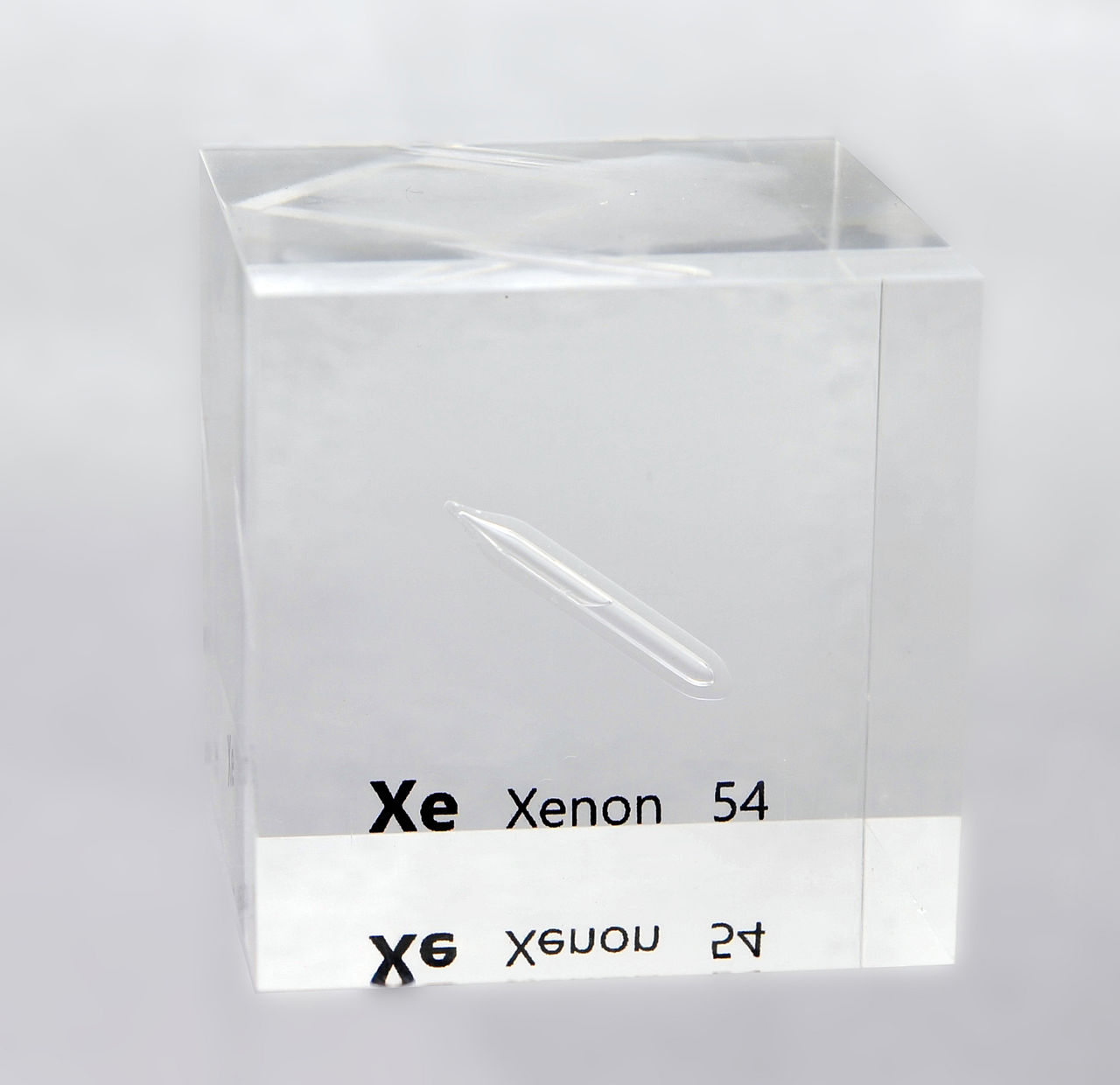
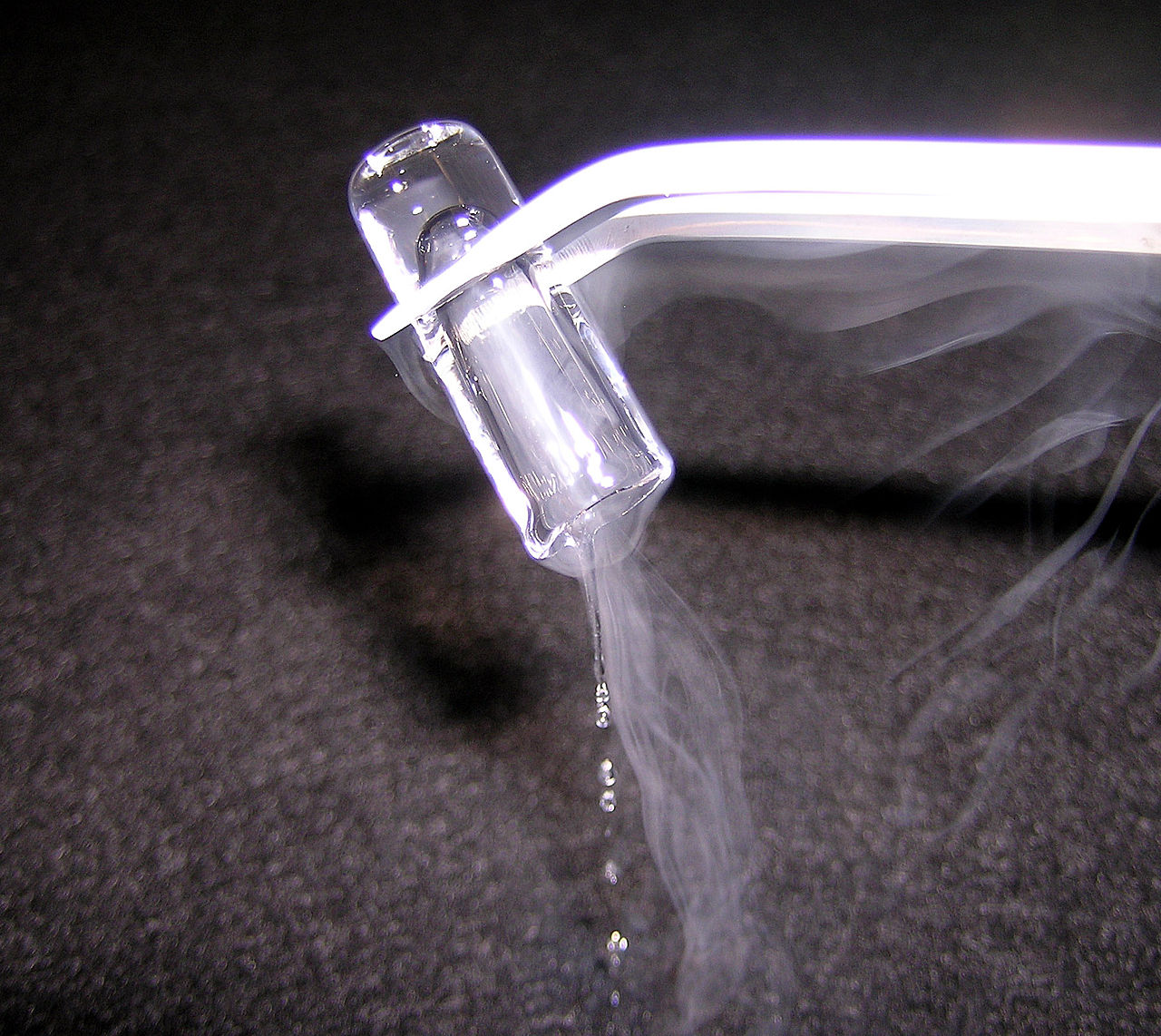


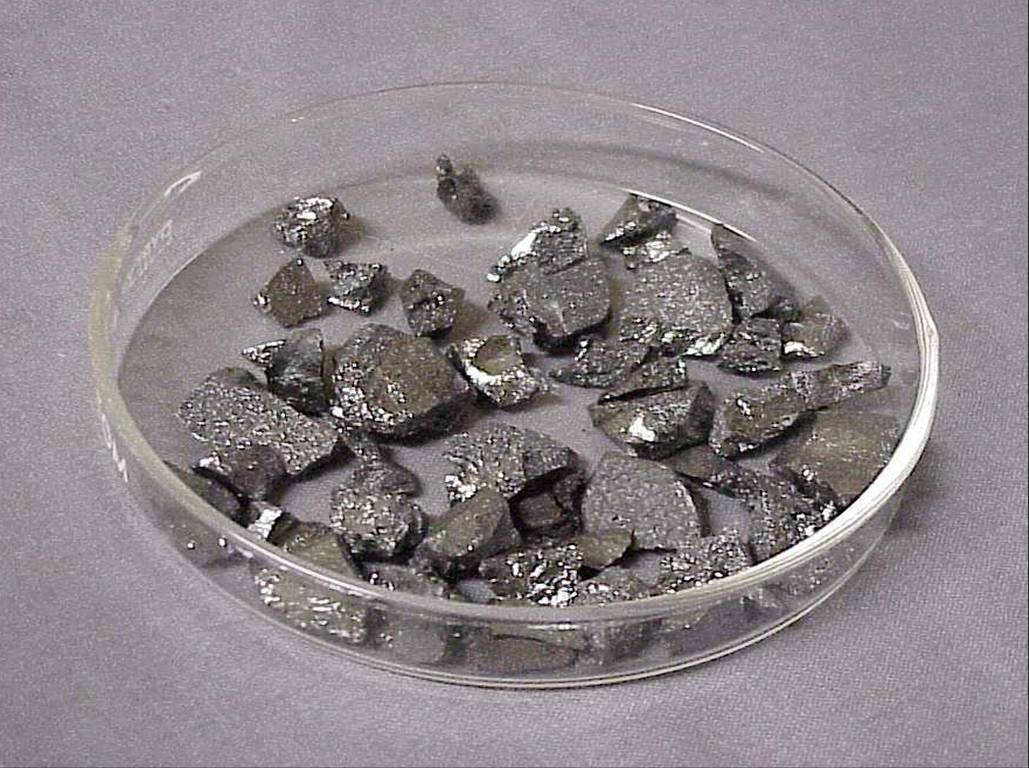
Characteristics
The most commonly cited properties of nonmetals include:
- Poor electrical and thermal conductivity, making many nonmetals useful as insulators.
- Little or no metallic luster; many nonmetallic solids are dull and often brittle rather than ductile or malleable.
- A tendency to accept electrons in chemical reactions with metals, reflecting higher electronegativities and the formation of anions or covalent molecules.
- Wide variation in physical state at room temperature: many are gases, some are solids, and bromine is a liquid.
Examples and states
Several familiar nonmetals are gases at standard conditions, including hydrogen, helium, oxygen, nitrogen, fluorine, neon, and radon. Examples of solid nonmetals include carbon and the yellow solid sulfur, while the only common nonmetallic liquid at room temperature is bromine. The general terms gases, solid and liquid describe these states in everyday language.
Occurrence and importance
Nonmetals are extremely important in nature and technology. Two simple nonmetals, hydrogen and helium, account for the vast majority of baryonic matter in the observable Universe. On Earth, oxygen is a major component of rocks, water and air and is often cited among the most abundant elements in the Earth's crust, oceans and atmosphere. Living systems are built almost entirely from nonmetal elements — carbon, hydrogen, oxygen, nitrogen, phosphorus and sulfur — and nonmetals underlie the chemistry of life. In addition, nonmetals form many more distinct molecular compounds than metals do, giving them central importance in organic chemistry, biochemistry and materials science.
Classification, trends and uses
How many elements count as nonmetals depends on classification conventions: a typical list includes the noble gases, the halogens, the chalcogens (in part) and the elemental nonmetals such as carbon, nitrogen, phosphorus and sulfur. Metalloids occupy a transitional region with mixed properties. Chemical trends across the periodic table — electronegativity, ionization energy and affinity for electrons — help explain why elements behave as nonmetals. Practically, nonmetals serve many roles: oxygen supports combustion and respiration, nitrogen is the main component of air and a feedstock for fertilizers, noble gases are used in lighting and cryogenics, halogens disinfect and react in synthesis, sulfur is vital in industry and agriculture, and carbon compounds form the basis of fuels, plastics and biological molecules.
Distinguishing nonmetals from metals and metalloids is useful for predicting reactivity and selecting materials for applications. Their insulating properties and diverse chemistry make nonmetals indispensable across chemistry, biology, geology and engineering.
More on elements · Metals comparison · States of matter · Hydrogen · Helium · Oxygen · Nitrogen · Fluorine · Neon · Radon · Solid state · Sulfur · Liquid state · Bromine · Observable Universe · Earth's crust · Chemical compounds
Related articles
Author
AlegsaOnline.com Nonmetal (chemical element) Leandro Alegsa
URL: https://en.alegsaonline.com/art/70623