
New town (planned community)
A new town or planned community is a settlement designed in advance, with prearranged land uses, infrastructure and transport. It includes types from garden cities to purpose-built capitals and satellite towns.
Overview
A new town, also called a planned community or planned city, is a settlement conceived in advance and built according to an overall design rather than evolving solely by incremental growth. Planners and decision makers set out a blueprint that allocates land uses, infrastructure and public spaces so the place can meet explicit goals such as housing supply, economic development, administrative function or environmental quality. The idea relates to the broader concept of a city intentionally laid out before construction.
Image gallery
10 Images


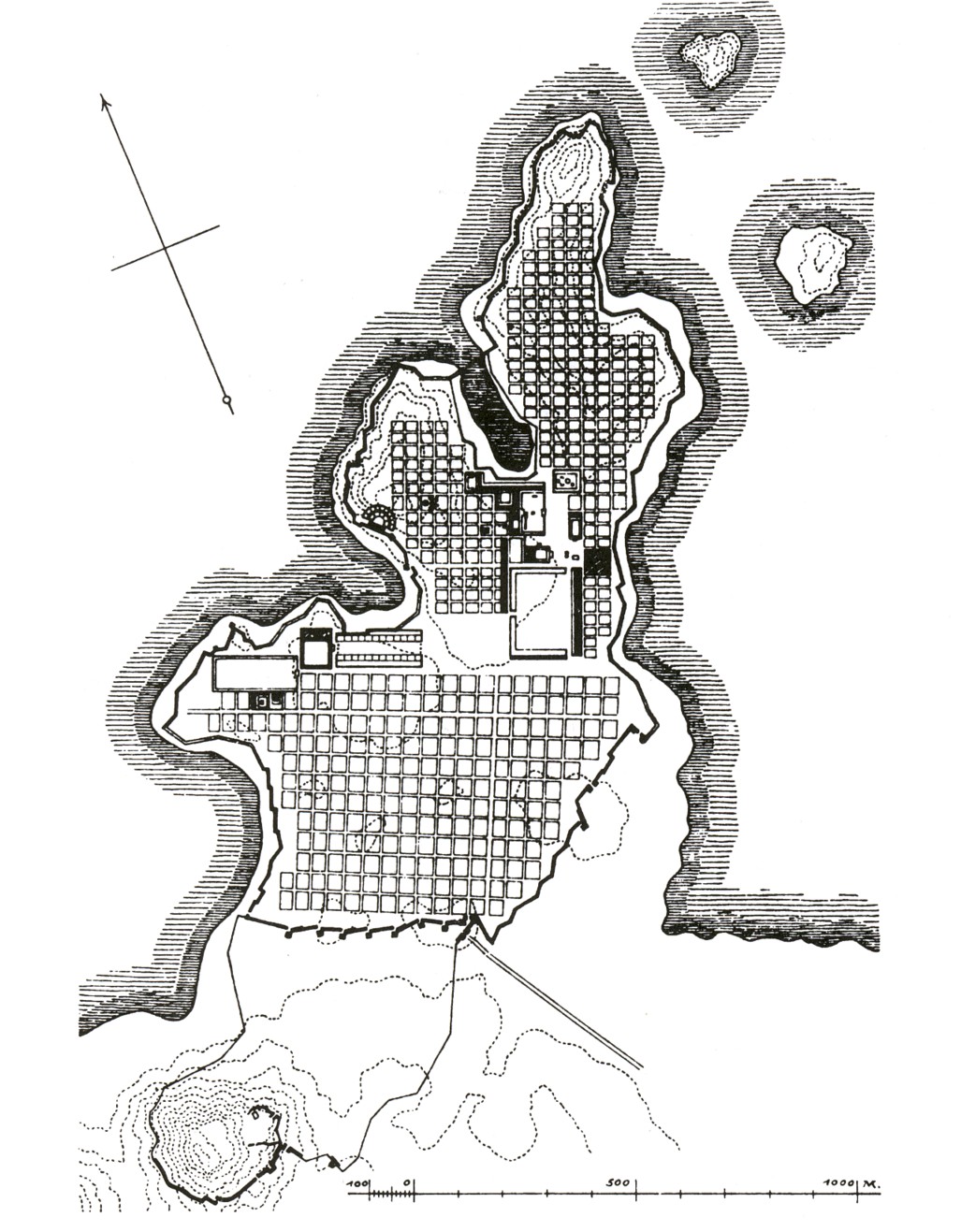


Design and planning
Planned communities are produced by multi-disciplinary teams of professionals: architects, engineers and planners work with policymakers, economists and community stakeholders. They commonly follow principles from urban planning such as zoning, hierarchical street networks and allocation of public services. Typical design elements include distinct districts for specific activities, open space provision including parks, concentrated commercial areas with stores, varied housing types for homes, and cores for employment and institutions represented by offices. Transport systems for residents and freight are often integrated from the outset.
Types and purposes
New towns take many forms. Some are residential satellites intended to relieve pressure on nearby cities; others are industrial or university towns created around a major employer. Some embody planning ideals such as the garden city movement, while others are conceived as entirely new capitals, a category often referenced as planned capital cities. Reasons for creating them include population redistribution, economic diversification, symbolic state-building, or postwar reconstruction.
Notable historical and modern examples
Throughout history and across regions, several prominent settlements illustrate planning at different scales and eras. Historic examples of planned urban layouts include medieval and early modern designs such as parts of Baghdad in present-day Iraq. In the modern period, capital planning is well known: Washington, D.C. was laid out as the capital of the United States; New Delhi was planned as a new seat for the government of India; Canberra was chosen and designed for Australia; Brasília was built as the purpose-made capital of Brazil; and Naypyidaw serves as the planned administrative city of Myanmar.
Advantages and criticisms
Planned towns can deliver orderly infrastructure, predictable land-use patterns and opportunities to pilot new design ideas. They can be important instruments of national or regional policy when relocation or rapid urban expansion is required. However, critics point to risks such as the high upfront costs of infrastructure, potential social segregation if affordability is not addressed, and the possibility that the planned functions fail to attract the intended population or businesses. The social and economic success of a new town often depends on flexibility in design, realistic demand assessment and long-term governance.
Assessment and legacy
Evaluating a planned community requires attention to both physical form and social outcomes: connectivity, access to services, economic opportunity and community life. Some planned towns become vibrant urban centers with distinct identities, while others remain underused or are later adapted through incremental change. For readers wanting further background on methods and cases, introductory works on urban planning and comparative studies of planned capitals and satellite towns provide useful context and analysis.
Related articles
Author
AlegsaOnline.com New town (planned community) Leandro Alegsa
URL: https://en.alegsaonline.com/art/69627