
Naypyidaw — the planned administrative capital of Myanmar
Naypyidaw (Nay Pyi Taw) is Myanmar’s purpose-built administrative capital, developed in the 2000s. It serves as the seat of government and is known for wide boulevards, zoned districts and ongoing construction.
Naypyidaw (also written Nay Pyi Taw or Naypyitaw; Burmese: နေပြည်တော်) is the designated administrative capital of Myanmar. It functions as the centre of national government and hosts the principal ministries, the national legislature and many diplomatic missions. The city is commonly described as a planned or purpose-built capital rather than an organically evolved urban centre.
Image gallery
10 Images


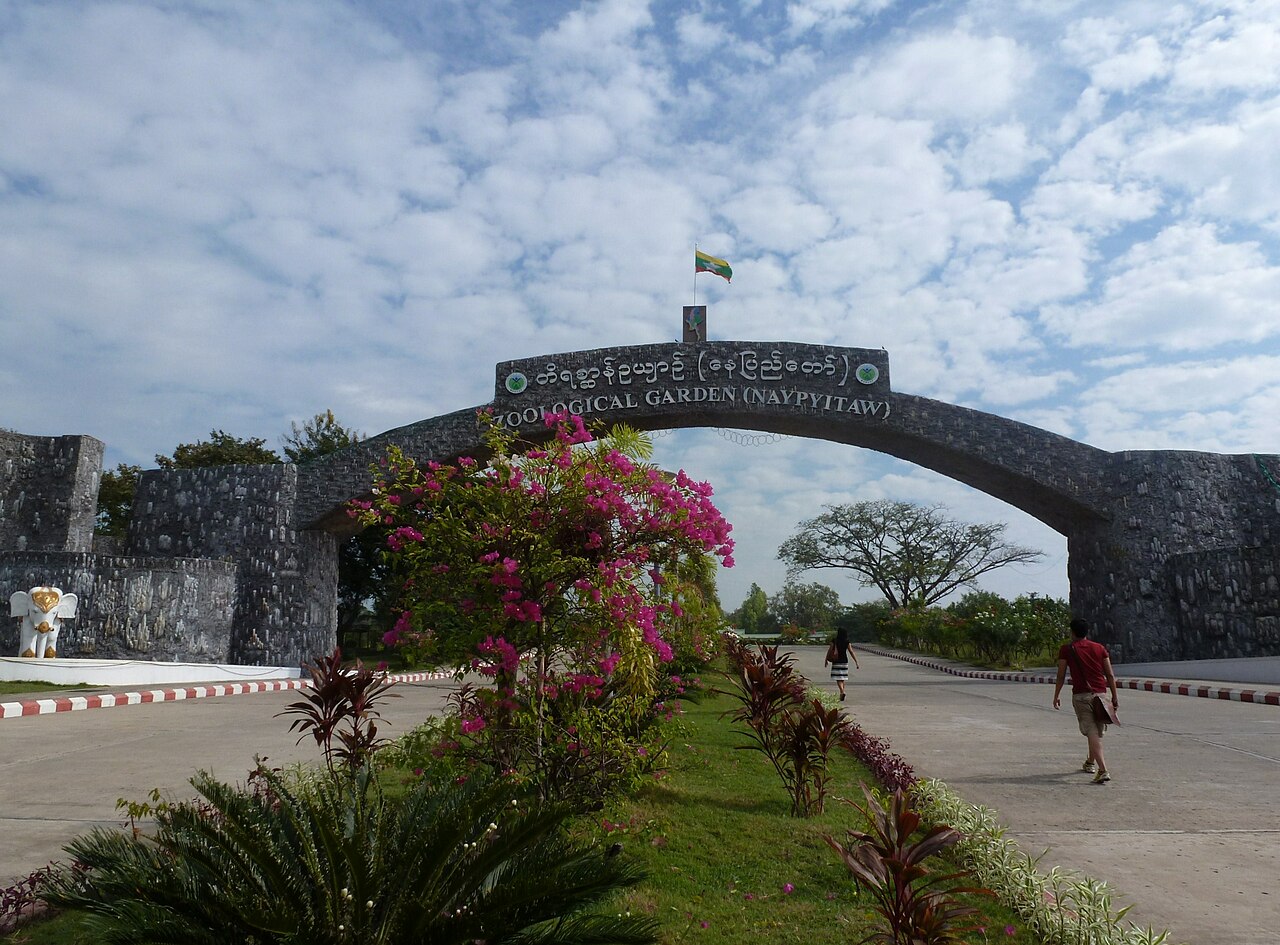


Origins and development
Work on the new capital began in the early 21st century and major government functions were transferred from the former capital. The relocation was presented by authorities as a move to a more central and secure site. Construction and urban expansion have continued over many years, so the city’s infrastructure and services have evolved in stages.
Layout and main features
Naypyidaw is organised into large, clearly defined zones intended for particular uses. Its most notable characteristics include broad multi-lane avenues, government complexes set apart from residential areas, and extensive green spaces. Typical elements are:
- Official governmental and parliamentary precincts;
- Residential zones and civil-servant housing;
- Commercial districts, hotels and conference facilities;
- Transport infrastructure including an international airport and major highways.
The city’s scale and road widths often draw attention in descriptions and photographic accounts.
Purpose, reception and significance
Proponents described the move as improving administrative efficiency and providing strategic advantages, while critics pointed to high costs and the city’s relative isolation from established economic centres. Naypyidaw is important as the official seat of government, hosting national ceremonies and formal events, but commercial life and population distribution differ from older, denser cities in the country.
Because it was established recently and continues to expand, Naypyidaw is frequently cited as a notable example of a modern planned capital. Its name and status are often referenced in discussions about urban planning, governance and contemporary Myanmar history. For general context on capitals and planned cities see capital city resources and materials about Myanmar.
Related articles
Author
AlegsaOnline.com Naypyidaw — the planned administrative capital of Myanmar Leandro Alegsa
URL: https://en.alegsaonline.com/art/68871
Sources
- ari.nus.edu.sg : "The Road to Naypyita: Making Sense of the Myanmar Government's Decision to Move Its Capital,"
- mmtimes.com : "National Library collection headed for Nay Pyi Taw,"
- mmtimes.com : "Subway plan for Nay Pyi Taw too expensive, says minister,"
- indrus.in : "Moscow exports the metro to Myanmar,"
- nytimes.com : "Built to Order: Myanmar’s New Capital Isolates and Insulates Junta,"
- nytimes.com : "Myanmar’s Remote Capital Is Still a Work in Progress,"
- spiegel.de : "Junta in the Jungle; Myanmar Shows Off New Capital to the World,"
- english.people.com.cn : "Construction of Myanmar new capital continues,"