
New Delhi: planned capital and seat of India's government
New Delhi is the planned capital district of India within the National Capital Territory of Delhi, known for its colonial-era planning, national institutions, and role as the country's administrative center.
Overview
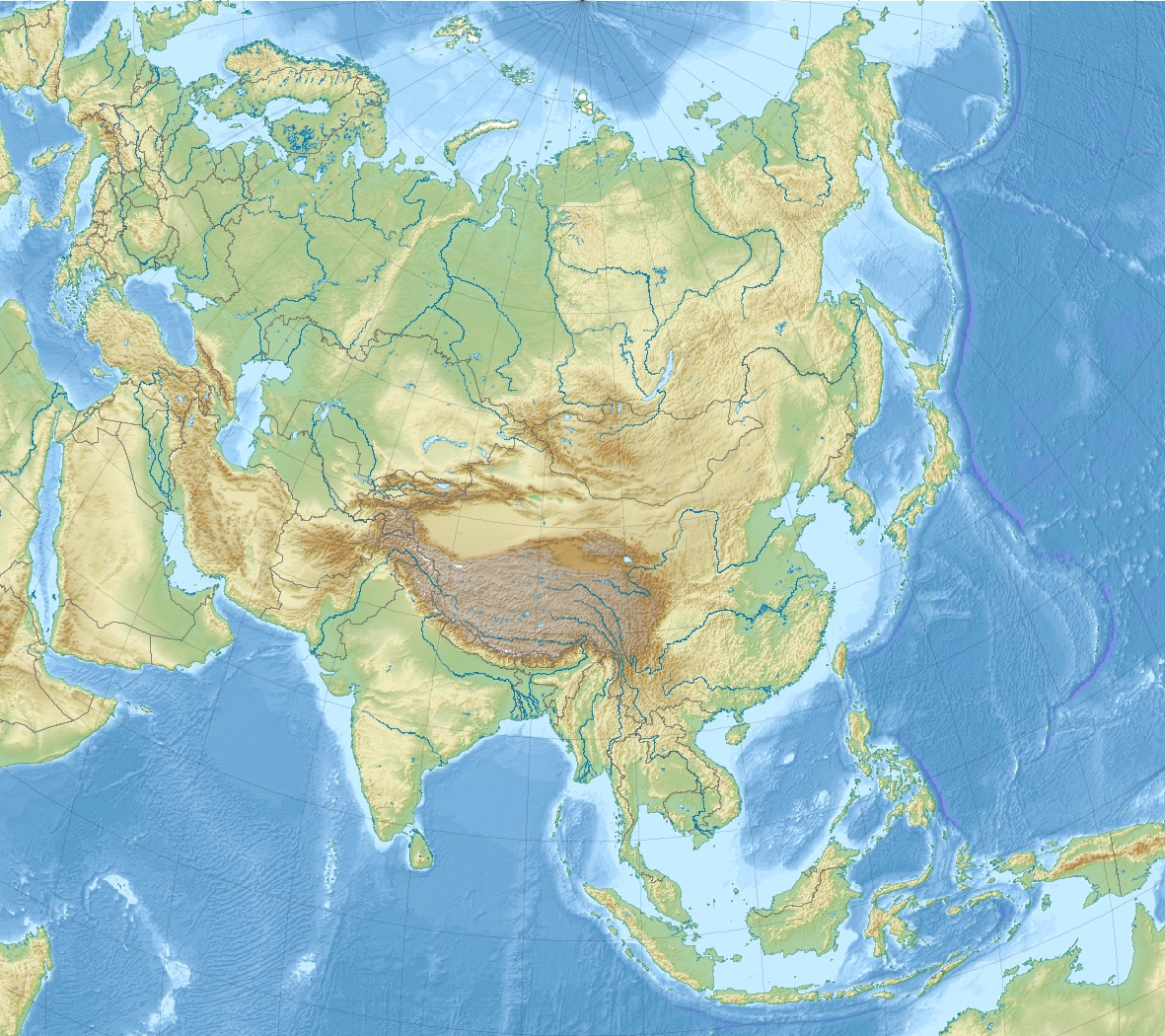
New Delhi is the official capital district of the Republic of India and forms part of the larger National Capital Territory of Delhi. It was conceived as a planned administrative city during the British colonial period and today houses the principal offices of the central government. When writers refer to "New Delhi" they usually mean the core government precinct and its immediate neighbourhoods, distinct from the broader metropolis commonly called Delhi. For basic context see the designation capital of India and the country India. In traditional regional schemes the city lies in the North India zone.
Image gallery
10 Images




History and planning
The move to create a new imperial capital was announced in 1911 and the foundation stone was laid that year by King George V and Queen Mary; the event marked the start of a major urban project. The scheme was developed by British architects, notably Edwin Lutyens and Herbert Baker, who designed axial avenues, monumental public buildings and expansive government compounds. The new capital's formal functions were established in the late 1920s and early 1930s when the principal institutions and residences were completed; accounts of this period often refer to figures such as George V.
Government and institutions
New Delhi contains the principal national institutions: the Parliament, the official presidential residence (Rashtrapati Bhavan), ministries and central administrative offices. It is the centre for national ceremonies, state visits and many diplomatic missions. Administratively it forms a district within the National Capital Territory and is governed through a mix of central authorities and local municipal bodies, reflecting its role as both a civic area and a seat of national government.
Geography and climate
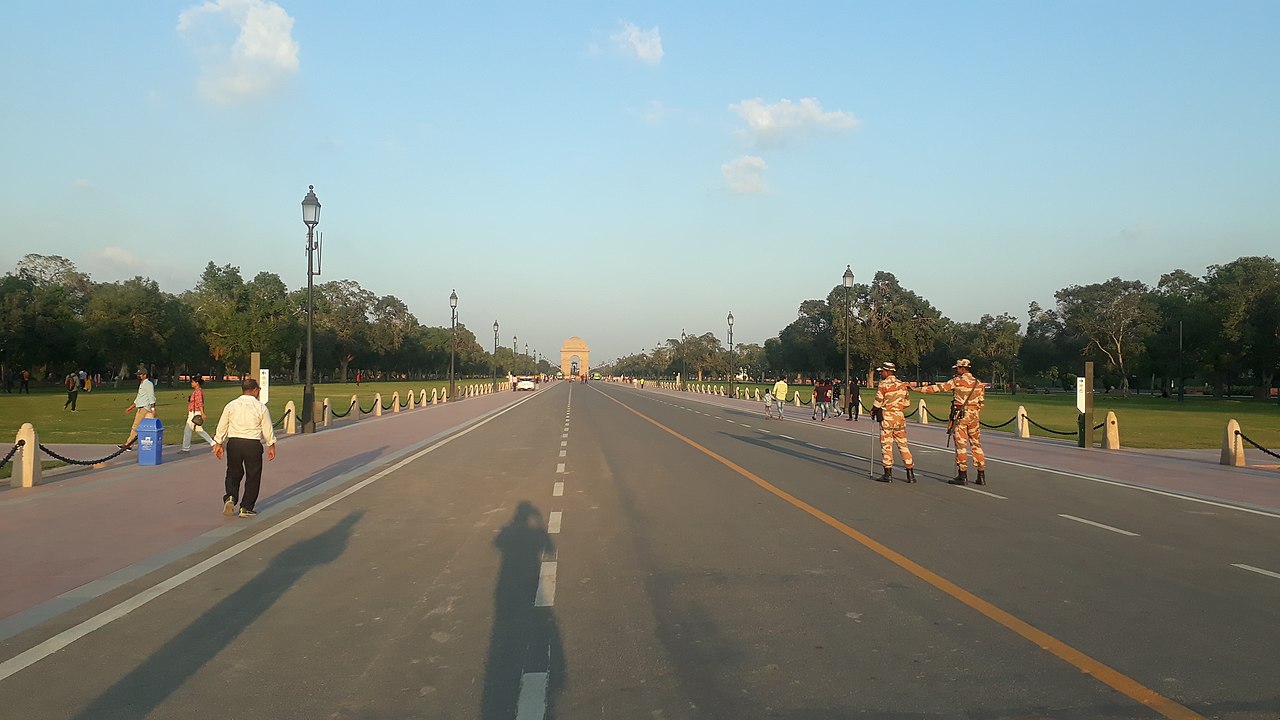
The municipal district of New Delhi covers a compact area and is characterised by wide, tree-lined avenues, ceremonial squares and planned green spaces. The wider Delhi region is a flat plain of the northern Indian subcontinent and the local climate is typically continental: hot, dry summers, a monsoon season with summer rainfall, and cool, dry winters. Urban design emphasises formal gardens and a green belt in parts of the city, sometimes described as the Lutyens' area.
Demographics
Population figures for New Delhi depend on the boundaries used. The small municipal district at the core of government precincts has a modest residential population, while the surrounding urban agglomeration and the broader territory contain millions of inhabitants. Official summaries and census notes provide the differing estimates; see available figures on population counts and related census material data for precise breakdowns.
Transport and connectivity
New Delhi is well connected by national rail lines, city roads and a rapid transit metro system that links it to other parts of the Delhi region. The national capital region is served by a major international airport located outside the dense government precincts; road and rail links connect the district to other parts of the country. Transport infrastructure supports the district's function as a centre for administration and diplomacy.
Architecture, landmarks and urban character
- Rashtrapati Bhavan and its formal gardens, a prominent example of early 20th-century state architecture.
- Parliament House and the Secretariat buildings that define the administrative axis.
- India Gate, a ceremonial arch and national memorial set on a broad boulevard used for official events.
- The so-called Lutyens' Bungalow Zone, extensive parks and protected residential precincts that preserve the planned character.
New Delhi's combination of planned layout, monumental architecture and concentrated national institutions makes it distinct within the larger Delhi metropolis. For readers seeking further official descriptions and statistical summaries, see references on the city's role as the national capital, its place within India and regional classifications such as North India.
Contemporary discussions about New Delhi often address governance, heritage conservation and urban pressures as the capital coping with modern demands while preserving its historical core. For up-to-date population and administrative data consult official census and planning sources linked under the city's summaries, including population reports and broader statistical publications.
Related articles
Author
AlegsaOnline.com New Delhi: planned capital and seat of India's government Leandro Alegsa
URL: https://en.alegsaonline.com/art/69496
Sources
- commons.wikimedia.org : New Delhi
- newdelhihub.com : "Facts about New Delhi"