
Urban planning: principles, history, and contemporary practice
Concise overview of urban planning—its aims, core components (land use, transport, infrastructure, design), historical development, methods, and current challenges such as sustainability and equity.
Urban planning is the professional and public process that shapes the form, function and allocation of uses in towns and cities. It combines policies, design, regulation and community engagement to manage growth and change. Planners consider how cities and urban areas accommodate housing, jobs, services and green space while aiming to improve quality of life.
Image gallery
7 Images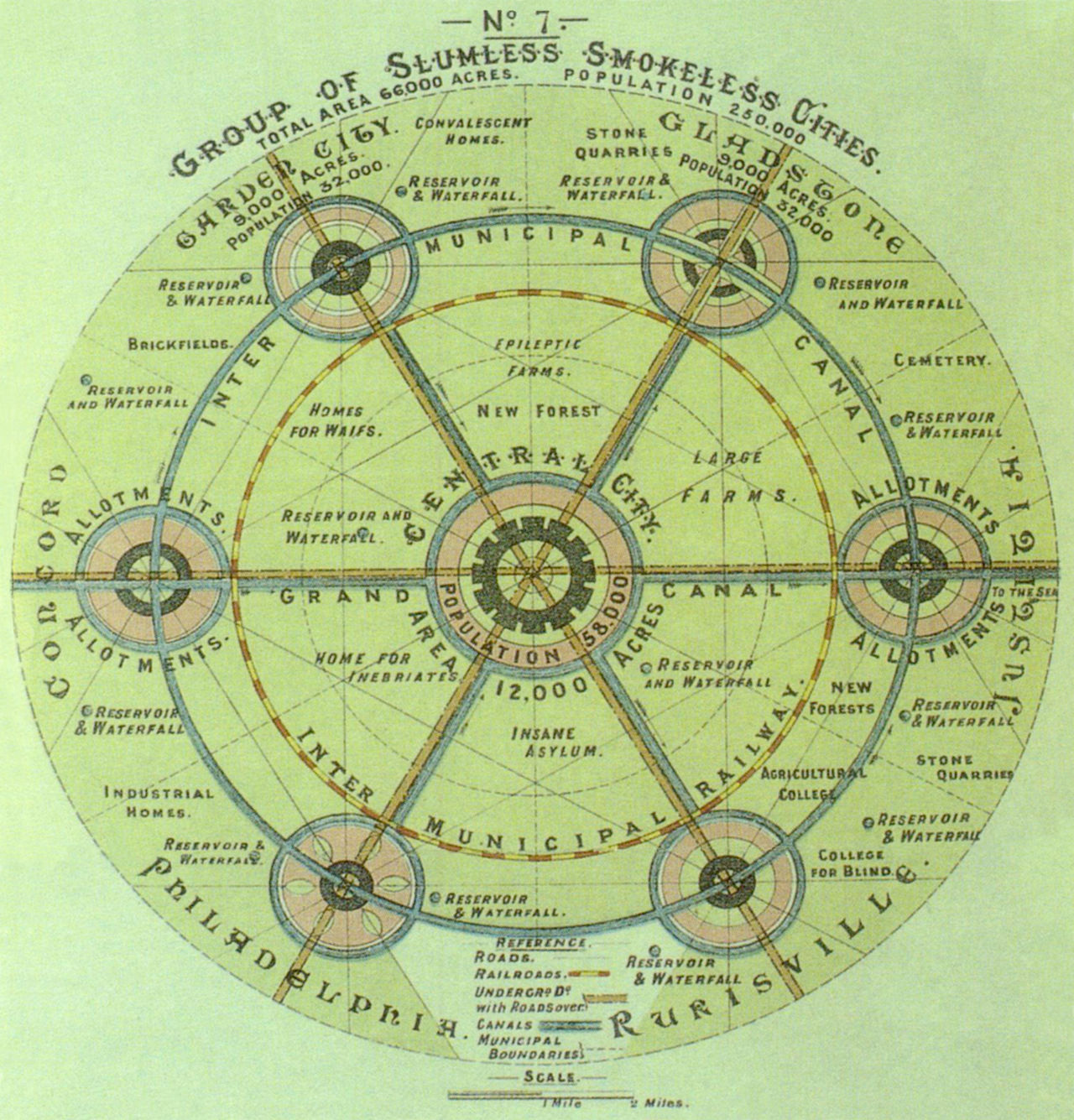


Key elements and components
At its core urban planning coordinates multiple systems and places emphasis on:
- Land-use policy and zoning that determine what activities are permitted where;
- Transport networks and accessibility to work, schools and services;
- Public realm and design—streets, parks and civic buildings;
- Utilities and infrastructure such as water, sewage and energy;
- Architectural considerations that influence neighbourhood character (architecture); and
- Environmental systems and resilience to hazards.
History and development
The practice has ancient roots in early settlements but became systematized during industrialisation, when rapid growth created public health and housing crises. Twentieth‑century movements introduced comprehensive plans, zoning codes and modernist design ideas. More recently planners respond to accelerating urbanisation, climate risks and digital tools.
Methods, tools and participation
Contemporary planning uses mapping, demographic analysis, modelling, and public consultation to test scenarios. Instruments include master plans, form‑based codes, environmental impact assessments and transport modelling. Participatory approaches seek to include marginalized voices and create more equitable outcomes.
Importance, examples and distinctions
Effective urban planning influences economic productivity, public health, social inclusion and environmental performance. It differs from urban design (which focuses on physical detail) and regional planning (which addresses broader spatial systems). Planners balance competing goals—growth, preservation, affordability and sustainability—making their role central to the future of cities.
Related articles
Author
AlegsaOnline.com Urban planning: principles, history, and contemporary practice Leandro Alegsa
URL: https://en.alegsaonline.com/art/103562