
Office Spaces and Roles — Design, Functions, and Modern Hybrid Work Trends
Overview of office spaces and roles: design, layouts, functions, and how hybrid and remote work reshape workplace use, team roles, and organizational support structures.
An office commonly refers either to a physical space where administrative or professional tasks are carried out or to a formal position within an organization that carries specific responsibilities. In the first sense it can be a single room, a desk in a shared area, a home workspace, or part of a multi-storey building housing many separate offices. In the second sense the term is used for roles such as the office of treasurer, where the word describes an official function rather than a place.
Image gallery
10 Images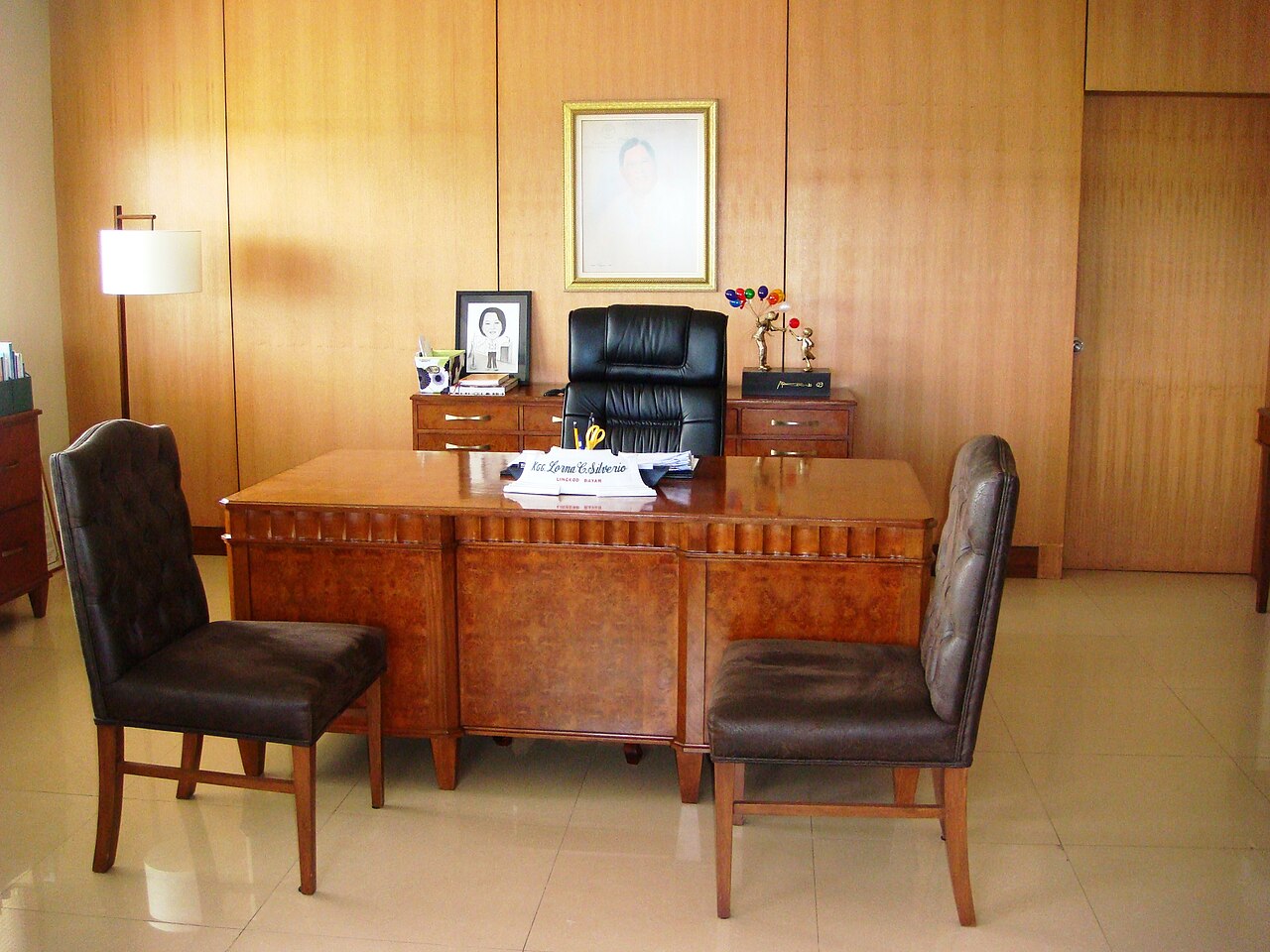




Varieties and scale
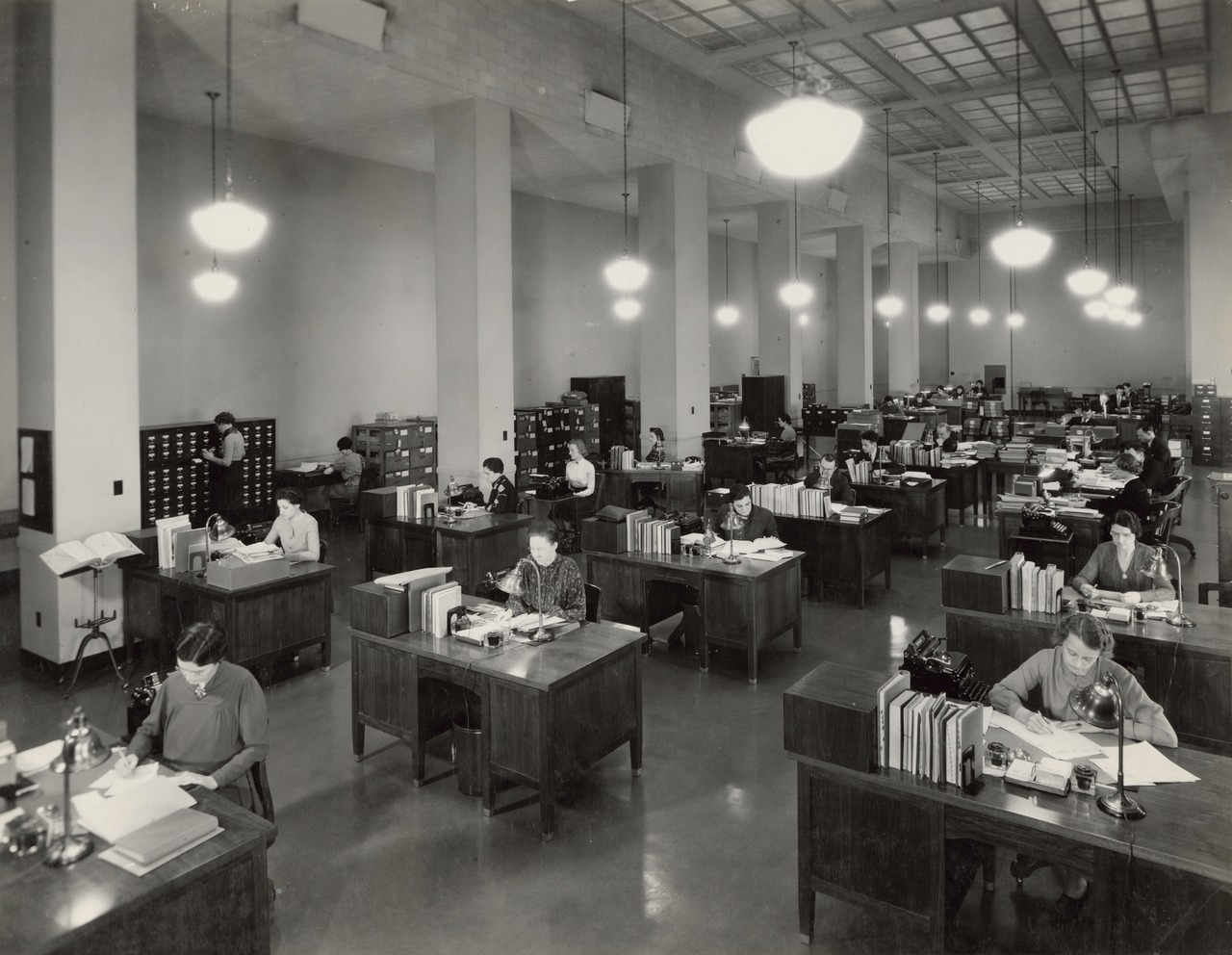
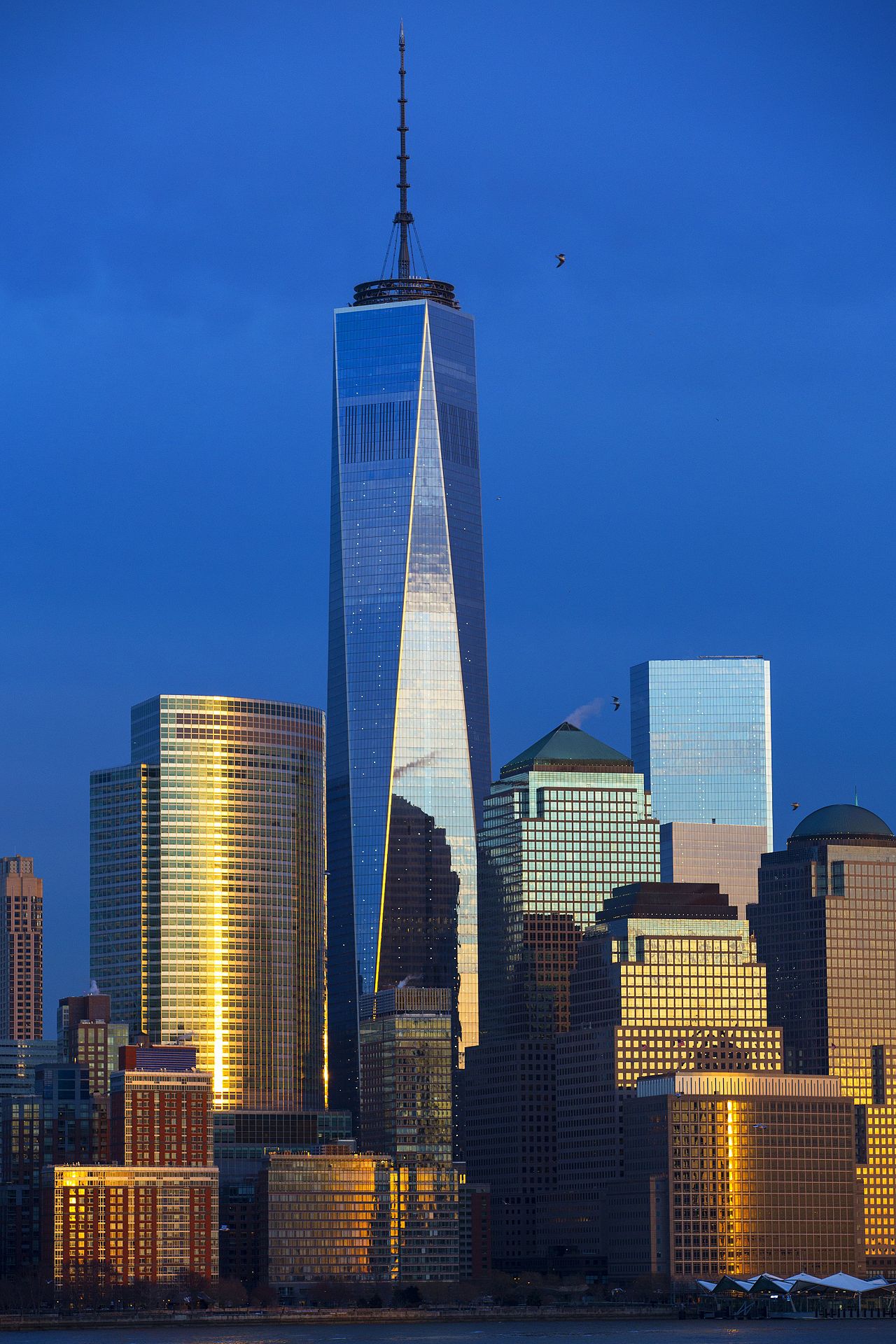
Offices range widely in size and purpose. A small business might operate from a single windowless room or a corner bench, while large corporations occupy floors or whole buildings. Size typically reflects the number of people working there, the type and volume of work, and the resources needed to support that work, but other factors such as organizational structure and technology also play a role.
Design and layout
Office design covers layout, furniture, lighting, and services that support productivity and health. Traditional models include private offices and cubicles; more recent trends favour open-plan areas, activity-based layouts, and mixed-use spaces intended to encourage collaboration. Design choices balance privacy, communication, acoustics, and ergonomics.
Contemporary trends
Recent years have seen growing use of remote and hybrid working arrangements, which affect how physical office space is used. Many organizations now combine permanent desks with hot-desking, meeting hubs, and virtual collaboration tools. These changes influence decisions about leasing, workplace support, and how offices are configured.
Common office roles and functions
- Administrative support: reception, filing, scheduling and record keeping.
- Financial and managerial roles: accounting, budgeting and executive offices such as a treasurer.
- Professional services: legal, engineering, design, and other specialised teams.
- Small-scale operations: many small businesses combine several functions in one compact workspace.
Whether referring to a room, a suite of rooms, or an official post, the term "office" covers both the physical and organizational arrangements through which clerical, professional, and administrative activities are carried out.
Questions and answers
Q: What is an office?
A: An office is a room or area where administrative work is done, or a position within an organization with specific duties attached to it.
Q: What is the design phenomenon of an office?
A: An office is a design phenomenon that can range from a small bench in the corner of a very small business to large buildings full of offices.
Q: What is the modern usage of the term "office"?
A: In modern usage, an office usually refers to the location where white-collar workers are employed.
Q: What are the two main types of office?
A: The two types of office are large office and small office.
Q: What characterizes a small office?
A: A small office is characterized by the fact that the amount of work to be done is small.
Q: What characterizes a large office?
A: A large office is characterized by the fact that the amount of work to be done is large.
Q: Can an office also refer to a particular position within an organization?
A: Yes, an office can also refer to a position within an organization with specific duties attached to it, such as the office of treasurer.
Related articles
Author
AlegsaOnline.com Office Spaces and Roles — Design, Functions, and Modern Hybrid Work Trends Leandro Alegsa
URL: https://en.alegsaonline.com/art/72049
Sources
- bbc.com : "How the office was invented"
- historyofpainters.com : "The Monastic Scriptorium 517 - 1250"
- commons.wikimedia.org : Office