
Myanmar (Republic of the Union of Myanmar)
Overview of Myanmar: geography, history, society, economy and contemporary issues for the Southeast Asian nation also known as Burma.
Myanmar, officially the Republic of the Union of Myanmar and formerly known as Burma, is a country in mainland Southeast Asia with strong historical and cultural links to South Asia. Its modern capital is Naypyidaw; the largest city and commercial hub is Yangon (Rangoon). The country is home to many ethnic groups and languages and has a population in the tens of millions.
Image gallery
10 Images


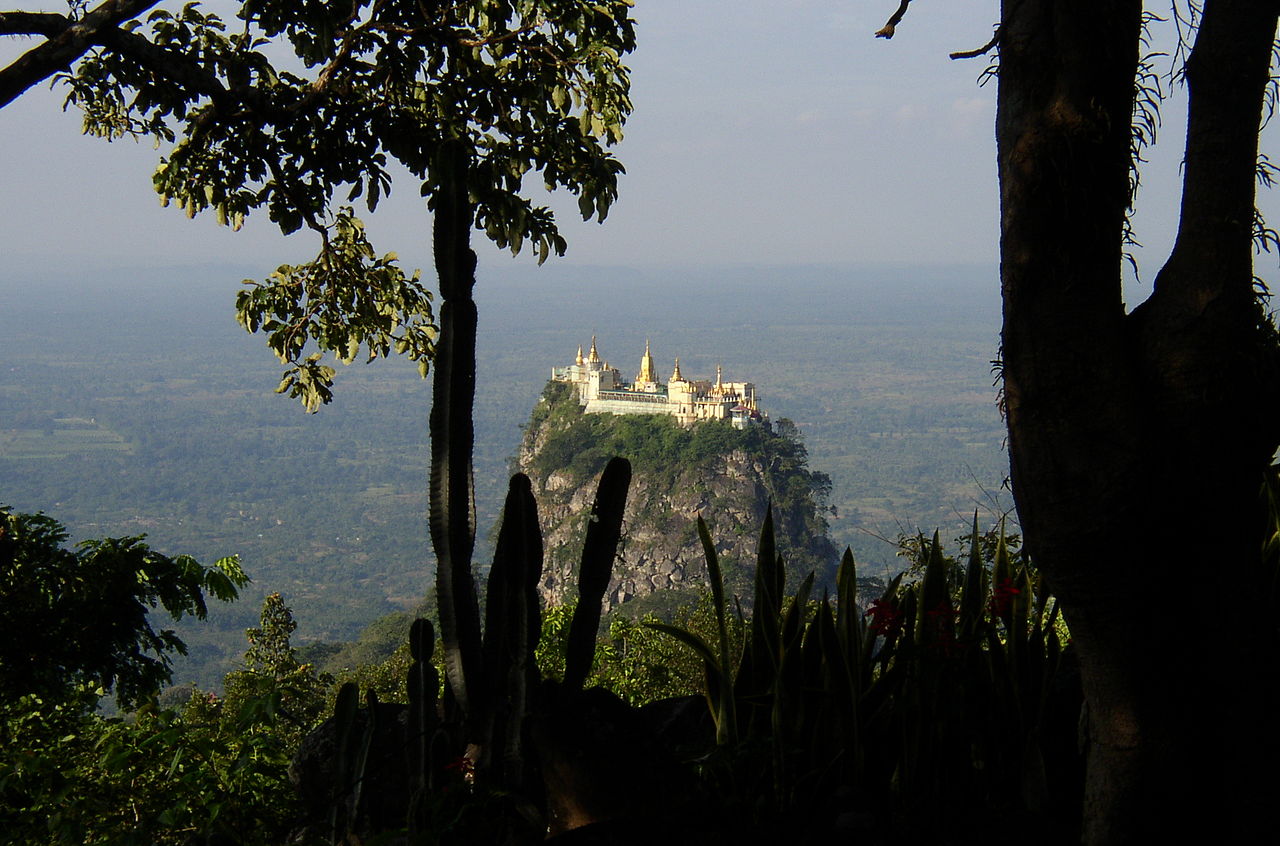


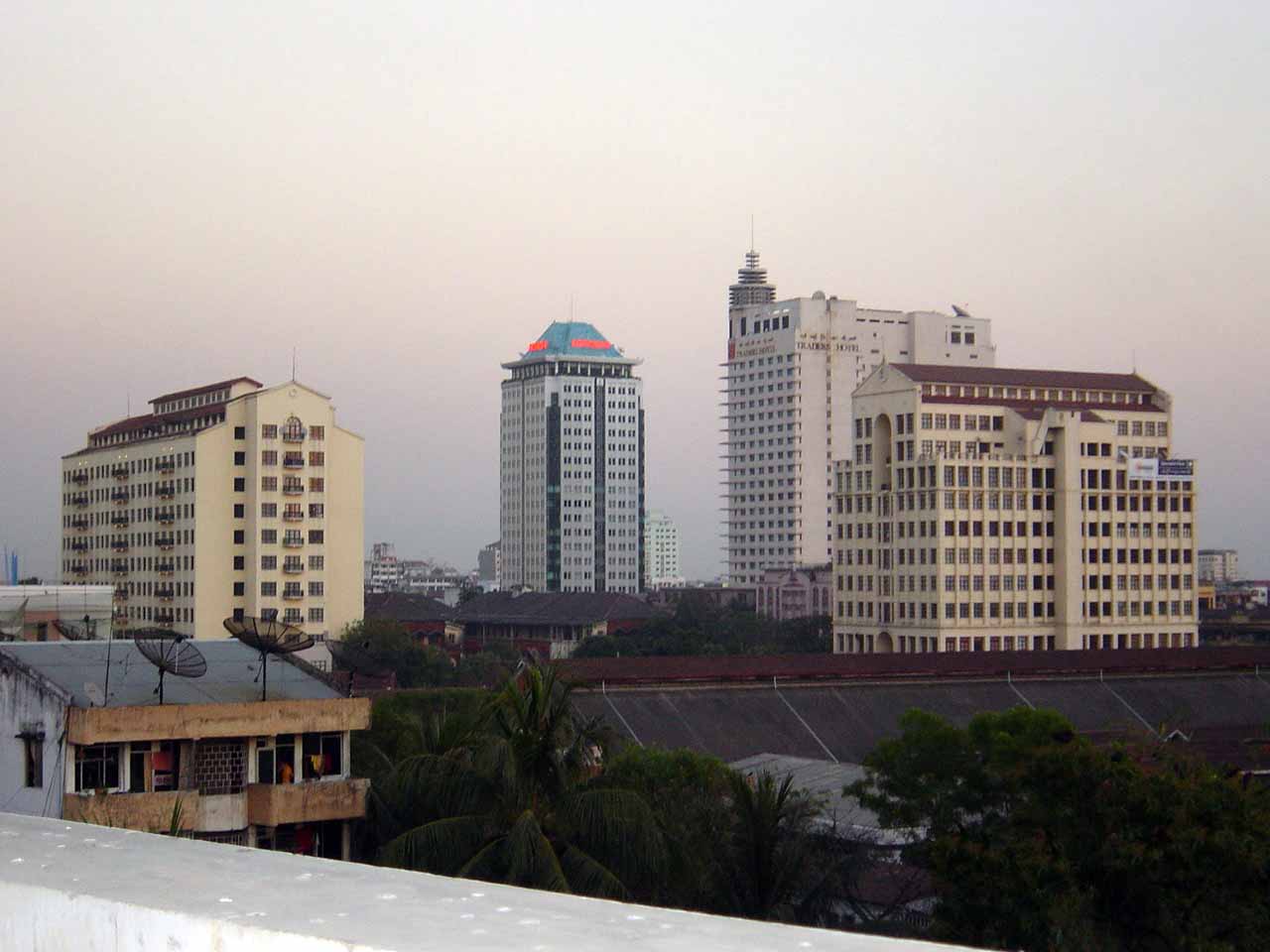
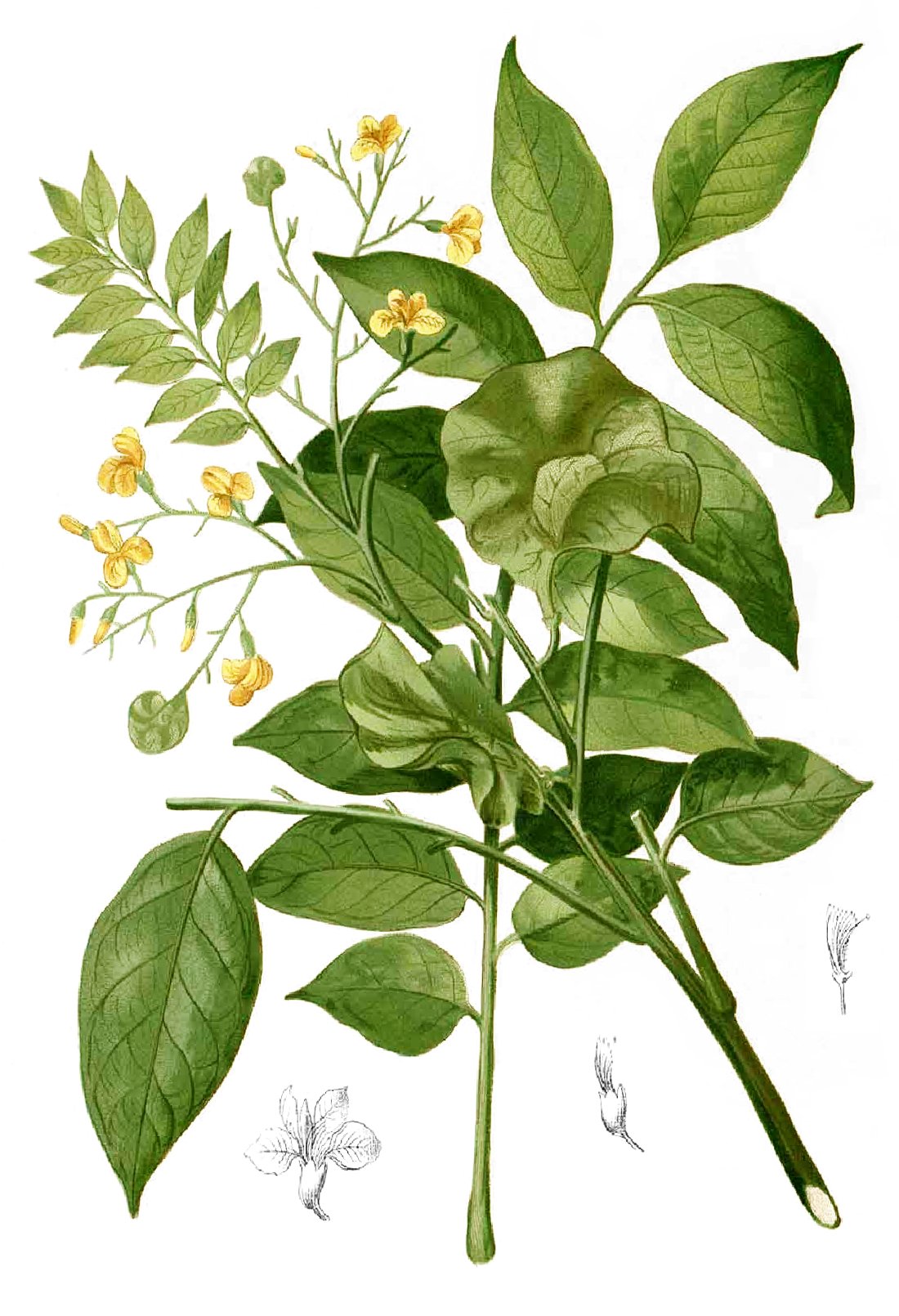
Geography and environment
Myanmar occupies a strategic position between the Indian subcontinent and mainland East Asia. It shares land borders with China, Laos, Thailand, Bangladesh and India, and fronts the Andaman Sea and the Bay of Bengal. The country’s coastline extends for well over two thousand kilometres. Landscapes range from coastal lowlands and deltas—most notably the Irrawaddy Delta—to a central dry zone and extensive highlands such as the Shan Plateau. Myanmar’s climate is dominated by the tropical monsoon, producing distinct wet and dry seasons.
History and politics
Indigenous kingdoms and Burmese dynasties shaped the region for centuries before colonial rule by the British in the 19th and early 20th centuries. Myanmar gained independence in 1948. The second half of the 20th century and early 21st century were marked by long periods of military rule, intermittent reforms, and ongoing tensions between the central government and numerous ethnic armed groups. The political situation has been subject to abrupt change and remains a key factor in the country’s domestic and international relations.
Administratively, Myanmar is divided into states and regions that reflect ethnic geography. Theravada Buddhism is the predominant religion and plays a prominent role in social and cultural life. Important cultural markers include pagoda architecture, traditional festivals such as Thingyan (the water festival), and a rich tradition of arts and crafts.
Economy and resources
The economy relies heavily on agriculture—rice cultivation is central—alongside forestry, fisheries, and natural resources such as jade, gems, oil and gas. Foreign investment and infrastructure development have increased at times, but growth and poverty reduction have been uneven. Political instability, sanctions at various times, and internal conflict have constrained development and affected trade and tourism.
Contemporary significance and challenges
- Strategic location linking South and Southeast Asia, with important maritime access and overland corridors.
- Ethnic and linguistic diversity with longstanding calls for greater autonomy in several regions.
- Rich cultural heritage and tourism potential, tempered by governance and humanitarian concerns.
For further general reference see Myanmar and regional context in South Asia.
Questions and answers
Q: What is the full name of Myanmar?
A: The full name of Myanmar is the Republic of the Union of Myanmar.
Q: What was Myanmar formerly known as?
A: Myanmar was formerly known as Burma.
Q: Is Myanmar an island country?
A: No, Myanmar is not an island country. It is part of Southeast Asia and South Asia.
Q: What countries border Myanmar?
A: Myanmar is bordered by China on the north, Laos on the east, Thailand on the southeast, Bangladesh on the west, and India on the northwest.
Q: How long is its coastline?
A: The coastline of Myanmar is over 2,000 kilometres (1,200 mi) long.
Q: Where are there bodies of water located near to it?
A: There are two bodies of water located near to it - The Andaman Sea to the south and Bay of Bengal to the southwest.
Related articles
Author
AlegsaOnline.com Myanmar (Republic of the Union of Myanmar) Leandro Alegsa
URL: https://en.alegsaonline.com/art/67944
Sources
- commons.wikimedia.org : Myanmar
- adb.org : "Asian Development Bank and Myanmar: Fact Sheet"
- cia.gov : "The World Factbook"
- imf.org : "Burma (Myanmar)"
- hdr.undp.org : "2013 Human Development Report Statistics"
- cia.gov : "The World Factbook – Burma"
- bbc.com : "Myanmar swears in first elected civilian president in 50 years"