
House: Types, Structure, History and Social Role
An accessible overview of houses: what they are, key parts and materials, common types, historical development, uses and social importance, and how they differ from other dwellings.
Overview
A house is a permanent building designed primarily for people to live in. Unlike temporary shelters such as a tent or movable dwellings like a caravan, a house is usually fixed to a site and built to provide long-term occupancy. When occupants live in the same dwelling over time it is commonly referred to as their home; lacking such a shelter constitutes homelessness. Houses are commonly identified by numbers or names and are the basic unit of private residential architecture in many societies.
Image gallery
10 Images




Design, components and materials
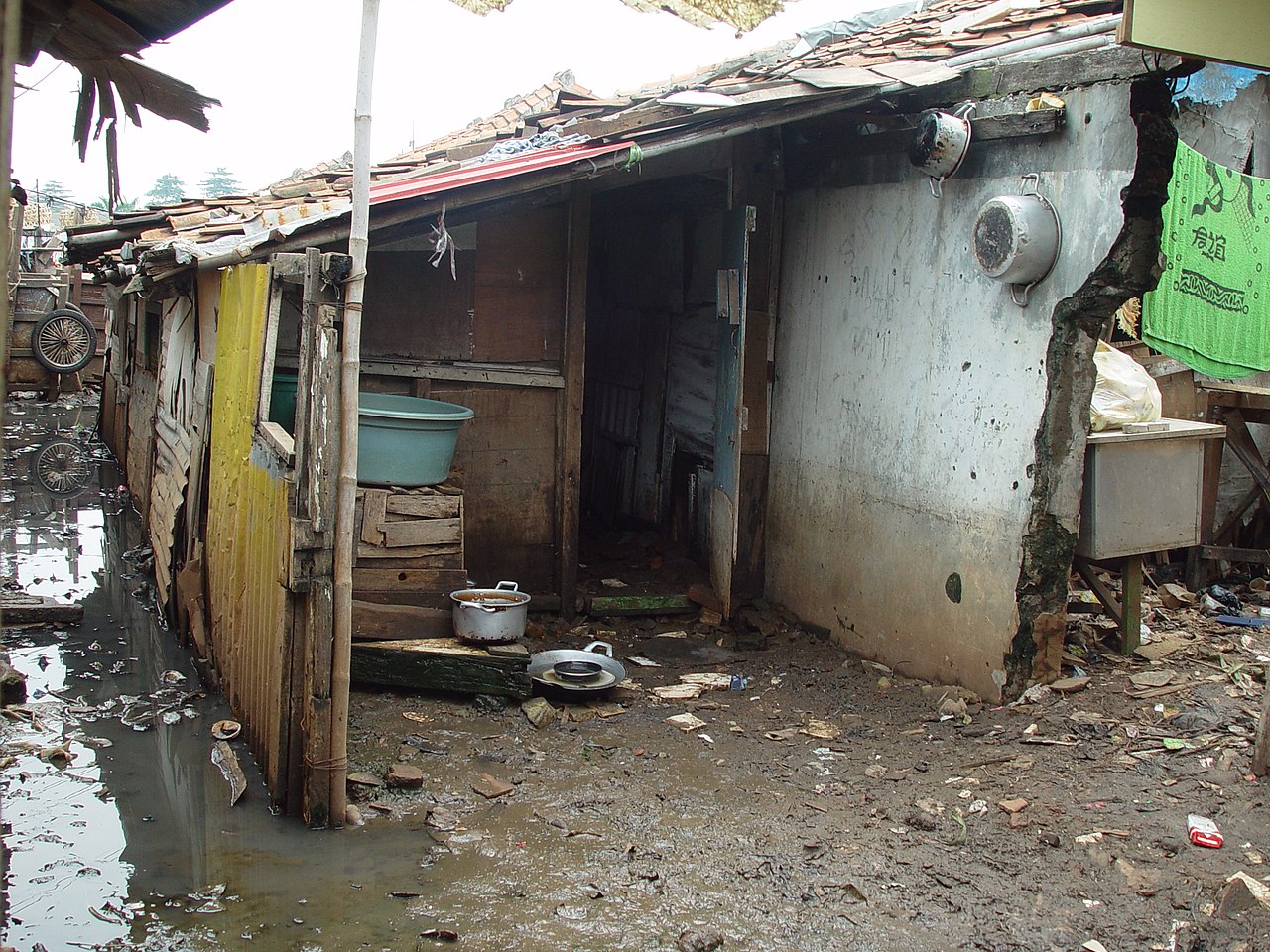
Most houses share a set of functional elements that together make them suitable for habitation. These include a roof to protect from precipitation and sunlight, exterior walls for enclosure, windows for daylight and ventilation, and floors that separate living spaces from the ground. Internal divisions create rooms for cooking, sleeping, bathing and living. Construction materials and techniques—wood, brick, stone, concrete, metal, or composite systems—vary with local availability, climate and tradition.
- Roof: sheds rain, snow and sun; styles range from flat to pitched; see roof structure distinctions.
- Walls and insulation: control heat flow and privacy; choice reflects climate and local materials.
- Openings: doors and windows regulate access, light and air.
- Foundations and floors: anchor the building and separate interior from soil.
Common types and arrangements
Houses occur in many forms. A single detached dwelling stands alone on its plot and typically serves one household or family. Terraced or row houses are attached to neighbors on one or both sides. Multiunit buildings—often called apartment or flat blocks—contain separate households within a larger structure; an apartment usually opens onto shared corridors rather than directly to the street, which is a common distinction from a single house. Shared-living arrangements include boarding houses, group homes and other communal residences.
- Detached house
- Terraced/row house
- Semidetached house
- Townhouse
- Multi-family dwelling and apartment buildings
- Special-purpose residences such as group homes
History and cultural context
The concept of a house evolved with settled agriculture and permanent communities. Early dwellings varied widely—from simple single-room structures to complex compound houses—reflecting climate, construction technology and social organization. Over centuries, architectural styles and domestic amenities changed in response to economic shifts, urbanization and cultural preferences. Historic houses may be preserved as museums to illustrate past ways of life or local craftsmanship; some such buildings become museum exhibits to educate visitors.
Uses, social importance and notable distinctions
Beyond shelter, houses serve social and psychological functions: they create private space, store belongings, enable family life and symbolize status or identity. Houses can be adapted for mixed uses—home offices, small businesses, or rental units—and their design can emphasize sustainability, safety and accessibility. Important legal and social distinctions separate a house from other dwellings: for example, who holds ownership or tenancy rights, whether the entrance leads directly to the outside, and how maintenance responsibilities are assigned. The household composition can range from a single person to an extended family, or to multiple unrelated residents sharing amenities.
Practical considerations and resources
Choosing or designing a house involves trade-offs among cost, location, size, energy efficiency, and the needs of occupants. Local building codes and cultural norms influence layout and materials. For further reading on specific dwelling types and shelter solutions, consult general housing guides and local planning resources; for historical or technical deep dives, see architecture and construction references. Additional practical topics include financing, maintenance and adaptations for changing household needs.
Questions and answers
Q: What is a house?
A: A house is a building that is made for people to live in. It is a permanent structure that cannot be easily moved or packed up like other types of dwellings, such as tents or caravans.
Q: What do people call their house if they stay there for more than a short period of time?
A: If people live in the same house for more than a short stay, then they call it their "home".
Q: How are houses usually identified?
A: Houses are usually numbered, but sometimes, can also be named.
Q: Who typically lives in houses?
A: Houses are usually occupied by a single family or housemates, like in the cases of group homes and boarding houses.
Q: What are some differences between houses and apartments?
A: One of the differences between a house and an apartment is that a house has a front door to the outside world, whereas the main door of an apartment usually opens onto a passage or landing that can be used by other people in the building.
Q: What components make up most houses?
A: Houses have a roof to keep off the rain and sun, and walls to keep out the wind and cold. They have window openings to let in light, and a floor.
Q: How do different countries' houses look different from each other?
A: Houses of different countries look different to each other because of different materials, climate, and styles.
Related articles
Author
AlegsaOnline.com House: Types, Structure, History and Social Role Leandro Alegsa
URL: https://en.alegsaonline.com/art/45352