
Nail (anatomy): structure, function, growth and care
Comprehensive overview of fingernails and toenails: anatomy, composition, growth patterns, evolutionary context, common disorders, basic care and clinical significance.
Overview
A nail is the hard, flattened plate at the tip of each finger and toe formed by specialized epidermal cells. Nails cover the dorsal surface of the distal phalanges and are composed mainly of the fibrous protein keratin. They appear in certain groups of mammals and are particularly well developed in primates, where they support fine manipulation and tactile tasks. For general anatomical context see the body overview.
Image gallery
8 Images
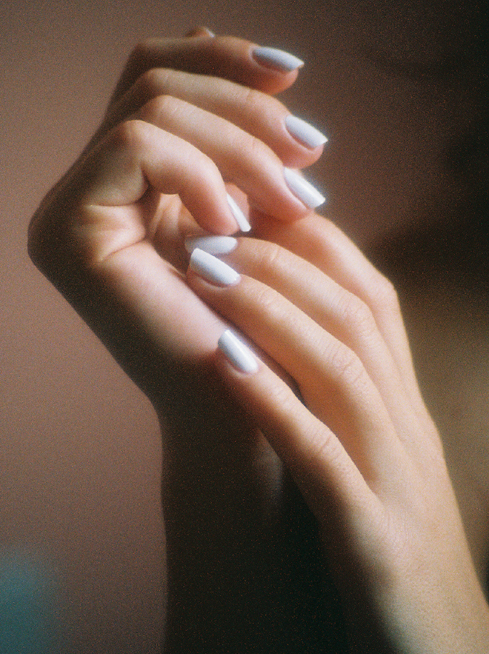


Anatomy and components
The visible part is the nail plate. Beneath it lie the nail matrix (the growth zone), the nail bed (vascularized skin supporting the plate), the proximal fold and cuticle (eponychium) which protect the matrix, and the hyponychium under the free edge. The pale semicircular area at the base visible through the plate is the lunula, which reflects part of the matrix. These components work together to produce, anchor and protect the plate; damage to the matrix can cause permanent deformity.
Composition and related structures
Nails are built from layers of flattened, dead keratinocytes rich in keratin, the same tough protein that forms hair and the outer layers of skin. Keratin itself is a protein that provides tensile strength and resilience. In evolutionary terms nails are modified epidermal appendages related to claws and hooves and are present in many mammals, especially primates.
Growth and influencing factors
Nails continuously grow from the matrix, though growth rate varies. Fingernails generally grow faster than toenails; typical adult fingernail growth is on the order of a few millimetres per month, while toenails grow more slowly. Growth is influenced by age, nutrition, blood supply, hormonal status, systemic illness, season and activity. For example, growth may accelerate in youth and during pregnancy and slow with advancing age or poor circulation.
Functions
Nails protect the sensitive tips of the digits, enhance fine touch by providing counter-pressure to sensory receptors in the fingertip, and assist in picking up small objects. They also have important social and cultural roles: grooming, decoration and cosmetic treatments are widespread. The cosmetic care and decorative treatment of nails is commonly referred to as a manicure.
Common conditions
Nails may exhibit local or systemic signs of disease. Local problems include ingrown nails (where an edge grows into adjacent skin), paronychia (infection of the nail fold), onychomycosis (fungal infection), traumatic deformity and chronic brittle nails. Systemic illnesses can produce changes such as clubbing, spooning (koilonychia), Beau's lines (transverse depressions after severe illness), discoloration and thinning. Persistent pain, discharge, spreading redness or changing appearance merit evaluation by a clinician in general medicine or dermatology.
Care and prevention
Basic nail care includes keeping nails clean and dry, trimming straight across with appropriate tools, avoiding aggressive cutting of the cuticle, protecting hands and feet from repeated trauma, and using gloves for wet or abrasive work. Moisturizing the surrounding skin can help prevent splitting. Avoiding nail biting and removing artificial nails if they cause irritation reduces risk of infection. Professional care is indicated for persistent pain, suspected fungal infection, rapidly changing discoloration or suspected ingrowth that causes infection.
Clinical and comparative notes
Clinicians examine nails for clues to nutritional status, chronic lung disease, cardiovascular disorders and systemic conditions; however, nail findings are rarely diagnostic on their own and should be interpreted with clinical correlation. Comparative study of nail-like structures across animals helps explain their evolutionary adaptation: nails in primates support manipulation, while claws, hooves and similar structures in other mammals reflect different ecological roles (see resources on claws, mammals and primates).
Further reading and resources
For more detailed information on the biochemical basis of nails consult pages about keratin, structural comparisons with hair and skin, and practical guidance from reputable sources on body structure. For consumer advice about cosmetic treatments see introductory manicure guidance, and for medical concerns consult general medicine or dermatology references.
Related articles
Author
AlegsaOnline.com Nail (anatomy): structure, function, growth and care Leandro Alegsa
URL: https://en.alegsaonline.com/art/68131
Sources
- aafp.org : "Fingertip injuries"