
Manicure — Nail care, procedures, types and cultural importance
A manicure is a cosmetic treatment for fingernails and hands involving trimming, filing, cuticle care, polish and massage. Performed at home or by professionals; includes gel, acrylic and other styles.
Overview
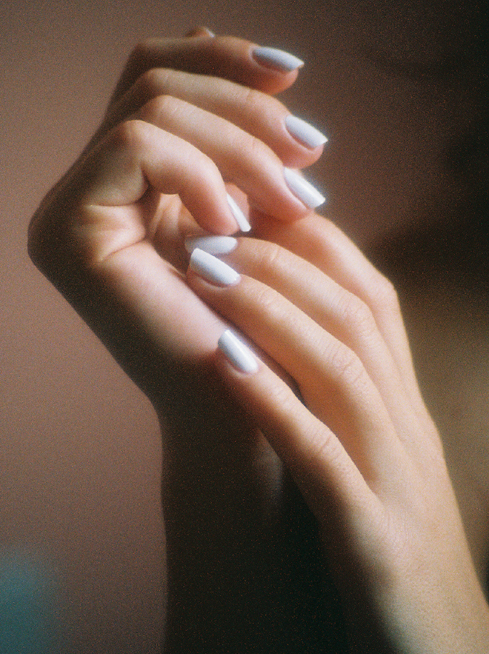
A manicure is a beauty treatment focused on the hands and fingernails. It can be a simple hygienic service or a decorative cosmetic procedure. Manicures are offered by professionals in salons and spas, but many people perform basic versions at home using common tools and polishes.
Image gallery
10 Images




Typical procedure and parts
Although steps vary, a conventional manicure usually includes cleaning, trimming, shaping and smoothing the nail edges, attention to the surrounding skin, and application of color or protective coatings. Many of these steps use specific tools and techniques: nail filing to shape the free edge, trimming or clipping where needed, and cuticle care to remove or push back excess cuticle. A finishing polish or protective layer is applied and the hand may receive a brief massage to improve comfort and circulation.
Common types and variations
- Basic manicure: trimming, filing, cuticle maintenance and polish.
- French manicure: pale base with white tips for a clean, classic look.
- Gel manicure: uses UV-cured gel polish for longer wear and a glossier finish.
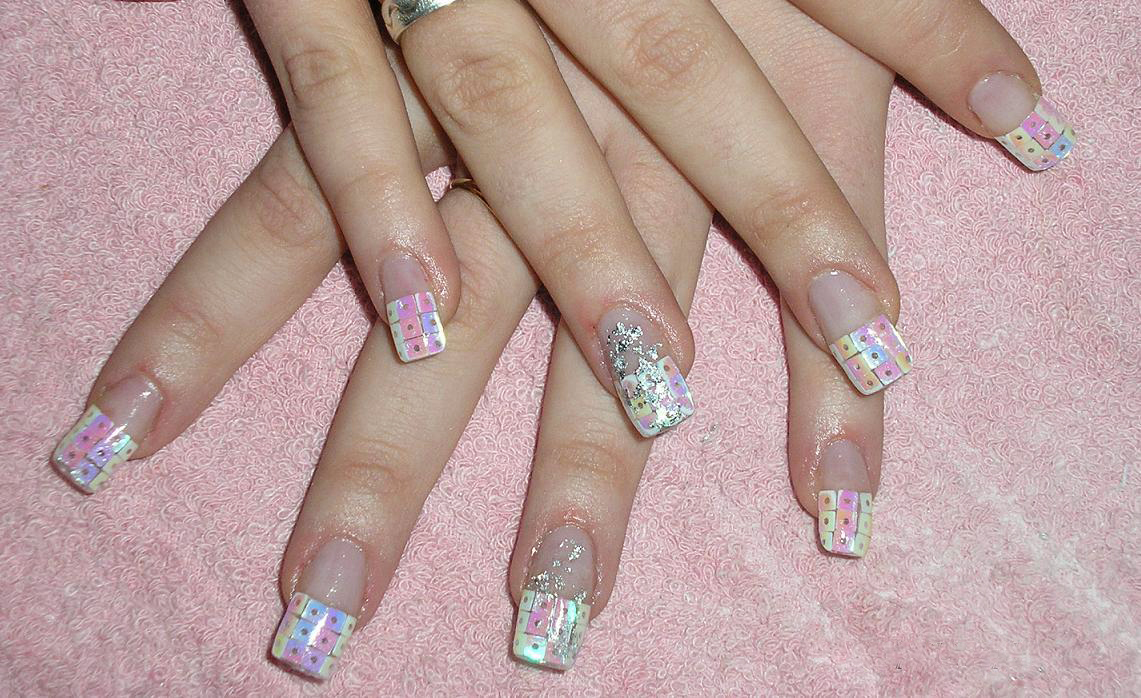
- Acrylic and sculpted nails: artificial extensions built from liquid and powder or tips, for length and shape.
- Paraffin or spa manicures: include moisturising treatments, masks and extended massage.
History and development
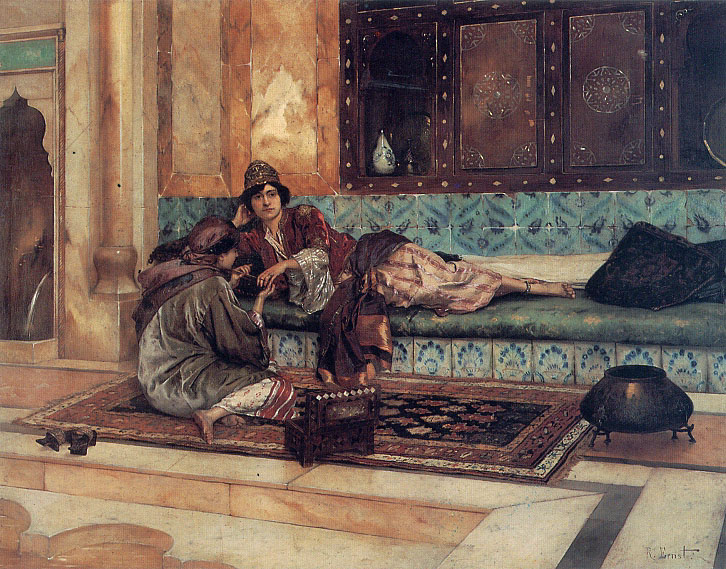
Grooming fingernails has ancient roots, with evidence of nail decoration across many cultures. Modern salon manicures developed alongside 20th-century cosmetic and leisure industries, evolving as new materials (like lacquer, acrylics and UV gels) and sanitation practices emerged. Today technology, fashion trends and social media continue to influence nail art and techniques.
Uses, health and notable distinctions
Manicures serve aesthetic, social and hygienic roles: they can enhance appearance, complement fashion, and help maintain nail health when performed correctly. However, improper technique or unsanitary tools can cause infections or damage; reputable salons follow sterilisation guidelines and trained technicians recognise signs of nail disease. Distinguishing between cosmetic services (polish, art) and corrective nail care (medical treatment for fungal or structural problems) is important—medical issues should be evaluated by healthcare professionals.
Practical tips
For home care, use clean tools, avoid excessive cuticle cutting, and choose polish removers and products that suit your nails. Professional manicures are convenient for complex services, long-lasting finishes or detailed nail art. Whether simple or elaborate, a manicure is both a routine hygiene practice and a form of personal expression.
Questions and answers
Q: What is a manicure?
A: A manicure is the process of making one's hands or fingernails look beautiful.
Q: Where can a manicure be done?
A: A manicure can be done either at home or by a professional in a nail salon.
Q: What is the process of a manicure?
A: During a manicure, the nail is filed with a nail file; the free edge of the nail is cut, the cuticle is treated, the person's hand is massaged and nail polish is put on.
Q: Why is the nail filed during a manicure?
A: The nail is filed to shape it and to remove any rough edges or unevenness.
Q: What is done to the cuticle during a manicure?
A: The cuticle is treated to remove excess skin and to make the nail look neat and clean.
Q: What is the purpose of a hand massage during a manicure?
A: A hand massage helps to improve blood circulation, relax the muscles and make the hands feel more rejuvenated.
Q: What is the final step in a manicure?
A: The final step in a manicure is to apply nail polish, which adds color and adds a finishing touch to the nails.
Related articles
Author
AlegsaOnline.com Manicure — Nail care, procedures, types and cultural importance Leandro Alegsa
URL: https://en.alegsaonline.com/art/61329