
Nautiloid (Nautiloidea): chambered cephalopods and their fossil legacy
Nautiloids are shelled cephalopods in the subclass Nautiloidea, originating in the Cambrian and diverse in the early Palaeozoic. A few modern species survive; thousands of fossil species are known.
Overview
Nautiloids are a group of predominantly marine animals related to modern squid and octopus. Historically placed in the subclass Nautiloidea, these molluscs possess an external shell divided into gas-filled chambers that the living animal used to regulate buoyancy. The clade first appears in the Cambrian fossil record and achieved great diversity in the early Palaeozoic era, playing major roles as active predators and scavengers in ancient seas.
Image gallery
10 Images


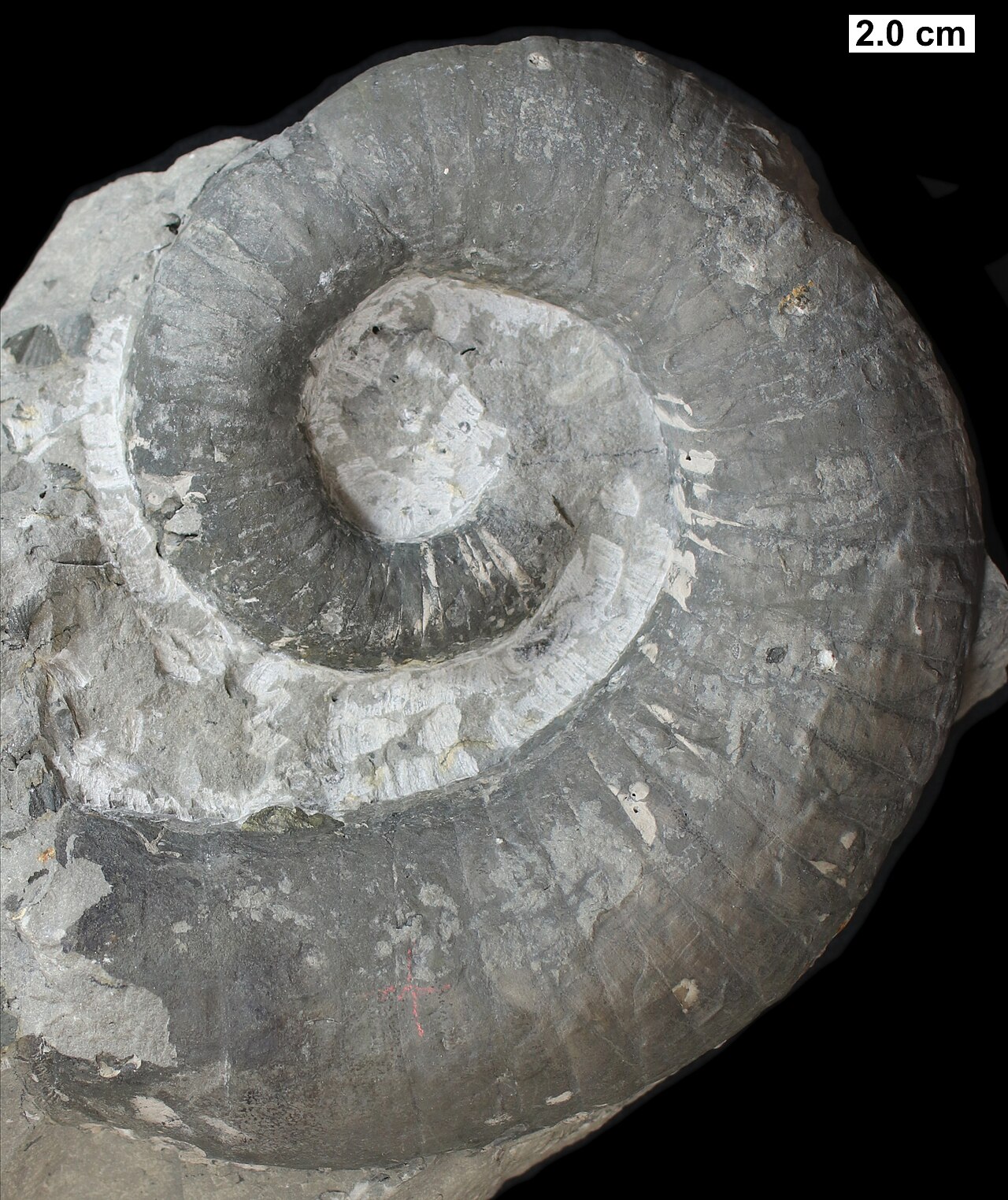
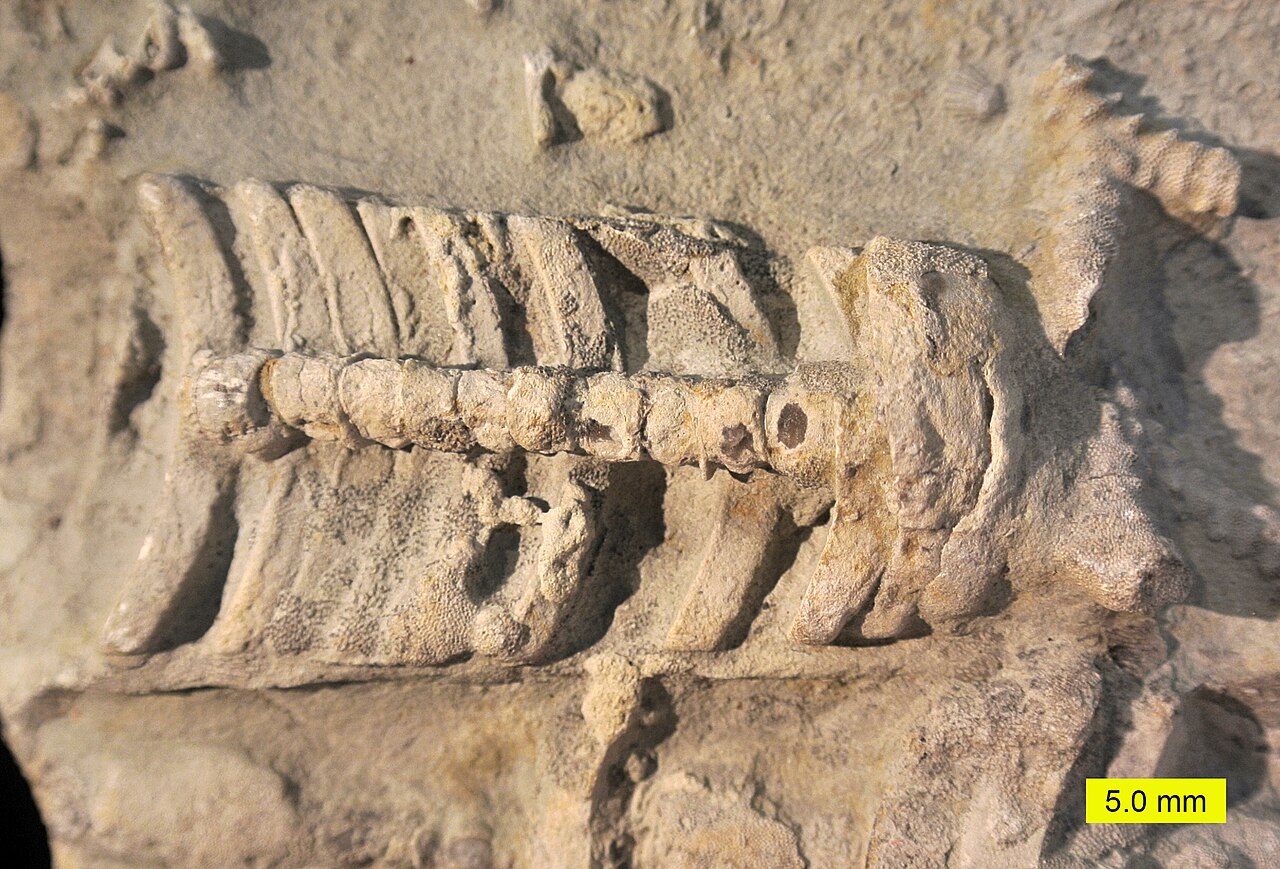
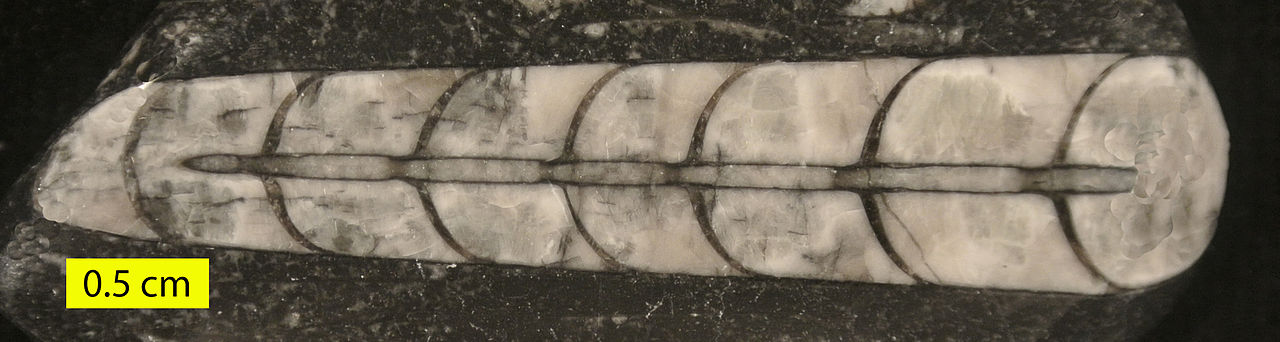

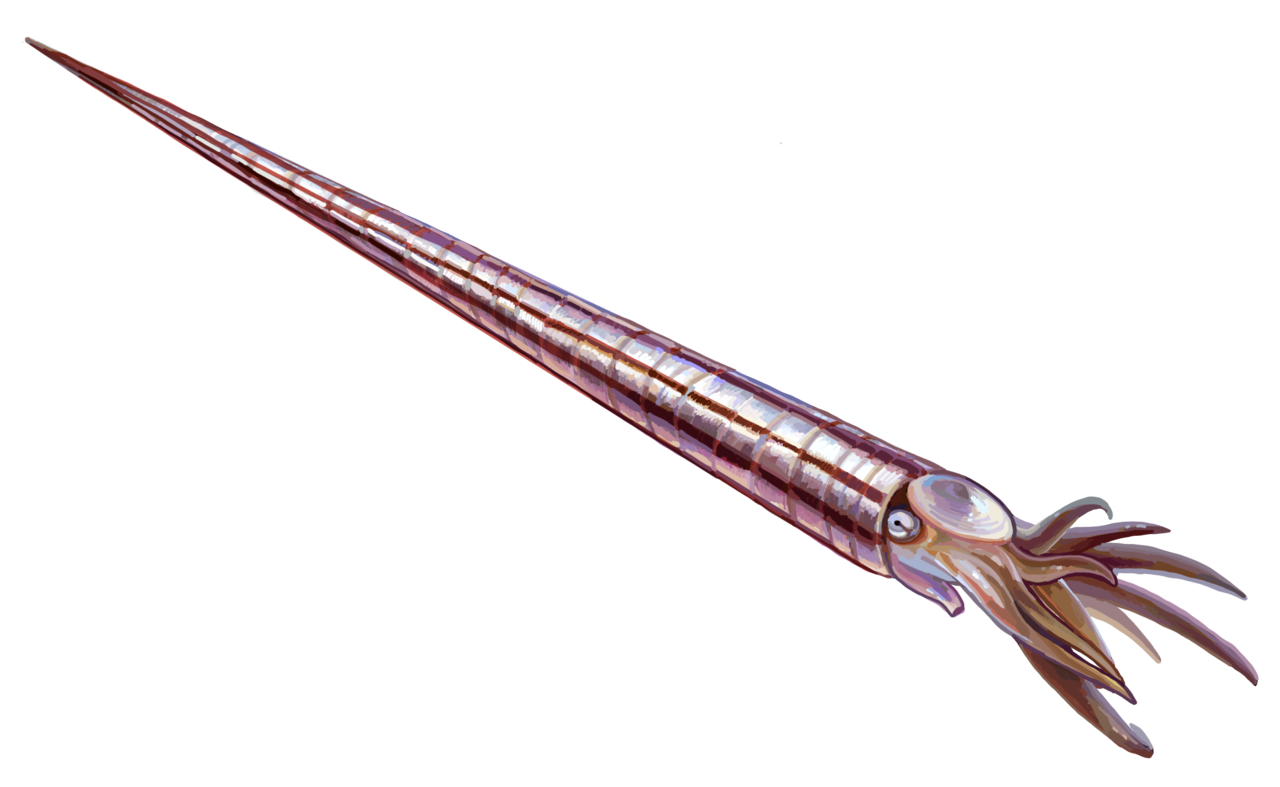
Characteristics and anatomy
The typical nautiloid anatomy includes a coiled or straight external shell, a series of internal septa forming chambers, and a narrow tube called the siphuncle that connects those chambers. By adjusting fluids and gases within the chambers the animal could maintain neutral buoyancy. Modern representatives retain many of these features: the soft body occupies the outermost chamber while tentacles and a simple eye system facilitate feeding and navigation.
Diversity and fossil record
Nautiloids produced an extraordinary range of shell shapes — from tightly coiled spirals to long straight cones (orthocones) and various curved or loosely coiled forms. Paleontologists have described roughly 2,500 fossil species, and nautiloid remains are common in many Paleozoic and Mesozoic marine deposits. Fossils are important for understanding early cephalopod evolution and for correlating rock strata in biostratigraphy. For examples and specimen records see collections and databases that document fossil occurrences.
Ecology, uses, and significance
In life, nautiloids generally occupied mid-water to near-bottom habitats where they hunted small invertebrates and carrion. Their shells are valued by scientists for evolutionary studies and by educators as accessible fossils that illustrate chambered-shell physiology. Because their form evolved repeatedly, nautiloid shell types are often cited when discussing morphological convergence and ecological adaptation in the marine fossil record.
Modern relatives and notable facts
Only a few nautiloid species survive today, represented by living genera such as Nautilus and closely related taxa. These modern cephalopods are of conservation concern in some regions because of habitat sensitivity and collection pressure. For background on classification and broader cephalopod relationships see general resources on cephalopods and marine invertebrates; for systematic treatments consult specialized works on the subclass Nautiloidea and on fossil occurrences in the Palaeozoic record. Additional reading and reference material are available through museum and academic portals that catalogue marine collections, named genera, and published era-level syntheses.
Key shell types and distinctions
- Coiled shells — the familiar spiral form of living nautiluses.
- Straight shells (orthocones) — elongated, tapered tubes common in some Paleozoic groups.
- Heteromorphic and curved forms — intermediate morphologies that show ecological specialization.
Questions and answers
Q: What are nautiloids?
A: Nautiloids are a large and diverse group of marine cephalopods in the subclass Nautiloidea.
Q: When did nautiloids first appear?
A: Nautiloids first appeared in the later Cambrian.
Q: Which is the only surviving genus of nautiloids?
A: Nautilus is the only surviving genus of nautiloids.
Q: When did nautiloids flourish the most?
A: Nautiloids flourished the most during the early Palaeozoic era.
Q: What was the role of nautiloids during the early Palaeozoic era?
A: Nautiloids were the main predatory animals during the early Palaeozoic era.
Q: What is the variety of shell shapes and forms developed by nautiloids called?
A: The variety of shell shapes and forms developed by nautiloids is called extraordinary.
Q: How many species of fossil nautiloids are known?
A: Some 2,500 species of fossil nautiloids are known, though only a few species survive today.
Related articles
Author
AlegsaOnline.com Nautiloid (Nautiloidea): chambered cephalopods and their fossil legacy Leandro Alegsa
URL: https://en.alegsaonline.com/art/68818