
Natural killer cell (NK cell)
Innate lymphocyte that recognizes and kills infected or transformed cells without prior sensitization; performs early cytotoxic and cytokine responses important for antiviral and antitumor defense.
Overview
Natural killer (NK) cells are a class of lymphocytes that form a key component of the innate arm of the immune system. Unlike adaptive lymphocytes, NK cells can identify and eliminate abnormal host cells without prior antigen exposure. They respond rapidly to virus-infected cells and to cells undergoing malignant transformation, providing an early line of defense while the adaptive immune response is still developing. For basic context, NK cells are a specialized type of lymphocyte and a functional part of the innate immune system.
Image gallery
4 Images


Key characteristics and mechanisms
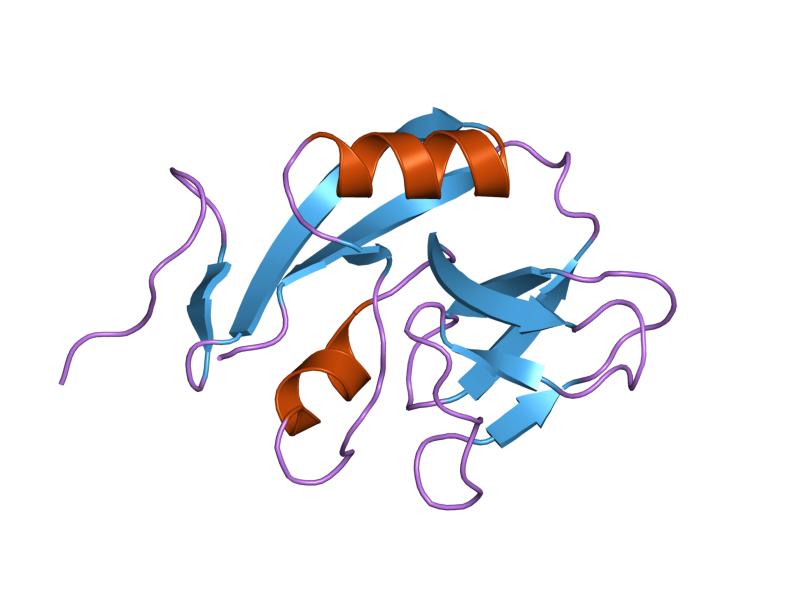
NK cells combine direct cytotoxicity with immunoregulatory functions. They contain cytoplasmic granules filled with proteins such as perforin and granzymes that create pores and trigger programmed cell death in target cells. NK cells also express surface molecules (for example CD16 in humans) that enable antibody-dependent cellular cytotoxicity (ADCC), allowing them to kill antibody-coated targets.
Recognition by NK cells relies on a balance between signals from activating receptors and inhibitory receptors. Inhibitory receptors typically detect self major histocompatibility complex molecules, so loss or alteration of MHC on a cell — a hallmark of some virus-infected or tumor cells — removes inhibitory signals and permits NK activation. Activating receptors, including those that sense stress-induced ligands, further promote killing when triggered. This capacity to act without antigen presentation distinguishes NK cells from cytotoxic T lymphocytes, which require peptides displayed on MHC molecules to recognize targets. See also major histocompatibility complex.
Subsets and distribution
- Human NK cells are commonly divided into functional subsets, differing in surface markers, cytokine production, and cytotoxic capacity.
- Many NK cells circulate in the blood, while distinct populations reside in tissues (for example uterine NK cells that contribute to early pregnancy processes).
- NK cells develop from precursors in the bone marrow and mature under the influence of cytokines and local signals.
Functions and clinical relevance
Primary roles of NK cells include early control of viral infections and tumor surveillance. They secrete cytokines such as interferon-gamma that shape downstream immune responses and recruit other immune cells. Clinically, NK activity is relevant to outcomes in infections, cancer, and hematopoietic transplantation; therapeutic strategies exploit NK functions through monoclonal antibodies that engage ADCC, cytokine treatments, adoptive NK cell transfer, and engineered NK cells under investigation in immunotherapy trials.
History and discovery
The existence of a lymphocyte population capable of spontaneous cytotoxicity was recognized in the 1970s, when experiments showed a "natural" ability to kill tumor targets without prior sensitization. Early work across species helped establish NK cells as a distinct cell type. For historical and background studies, see early reports from that period and comparative work summarized in broader reviews on natural killing.
Distinctions and notable points
- NK cells differ from cytotoxic T cells by acting without antigen-specific receptors and by using a receptor repertoire tuned to detect changes in stressed or infected cells.
- They are distinct from NKT cells and other innate lymphoid cells, which have different markers and functions.
- NK cells participate in both direct cell killing and immune regulation through cytokine production and interaction with other immune cells.
For more foundational information about how NK cells fit into immune system biology and lymphocyte classification, consult basic immunology resources and reviews that cover innate lymphocyte subsets and receptor signaling. Additional reading can be found via introductory links on immunology topics such as viruses and innate recognition viral infection and the broader innate immune response innate immunity. Primary literature and current reviews provide more detail on therapeutic approaches and ongoing research into NK cell engineering and clinical applications.
Questions and answers
Q: What are natural killer cells?
A: Natural killer cells (or NK cells) are a type of lymphocyte critical to the innate immune system.
Q: What is the function of natural killer cells?
A: NK cells provide a rapid response to cells infected by viruses, or to bacterial cells. NK cells also respond to tumour formation.
Q: When does the response of natural killer cells happen after infection?
A: The response of natural killer cells happens about 3 days after infection.
Q: What makes natural killer cells unique?
A: Natural killer cells are unique because they have the ability to recognise stressed cells in the absence of antibodies and major histocompatibility complex (MHC).
Q: How does the unique ability of natural killer cells allow for a faster immune reaction?
A: The unique ability of natural killer cells to recognise stressed cells in the absence of antibodies and major histocompatibility complex (MHC) allows for a much faster immune reaction.
Q: What was observed in early experiments in cancer patients and animals?
A: In early experiments in cancer patients and animals, investigators found what was called a "natural" reactivity, which means that a certain population of cells seemed to be able to kill tumour cells without being sensitized to them.
Q: When was the existence of a separate line of cells with natural killing ability suggested?
A: By 1973, 'natural killing' activity was established across a wide variety of species, and the existence of a separate line of cells with this ability was suggested.
Related articles
Author
AlegsaOnline.com Natural killer cell (NK cell) Leandro Alegsa
URL: https://en.alegsaonline.com/art/68768
Sources
- doi.org : 10.1126/science.1198687
- doi.org : 10.1007/BF00048565
- pubmed.ncbi.nlm.nih.gov : 6375859
- doi.org : 10.1038/nrmicro1066
- doi.org : 10.1038/icb.2009.10