
Claw
A claw is a curved, often sharp appendage at the tip of a digit in many vertebrates and some invertebrates, used for grasping, digging, defense and other functions; made chiefly of keratin in vertebrates.
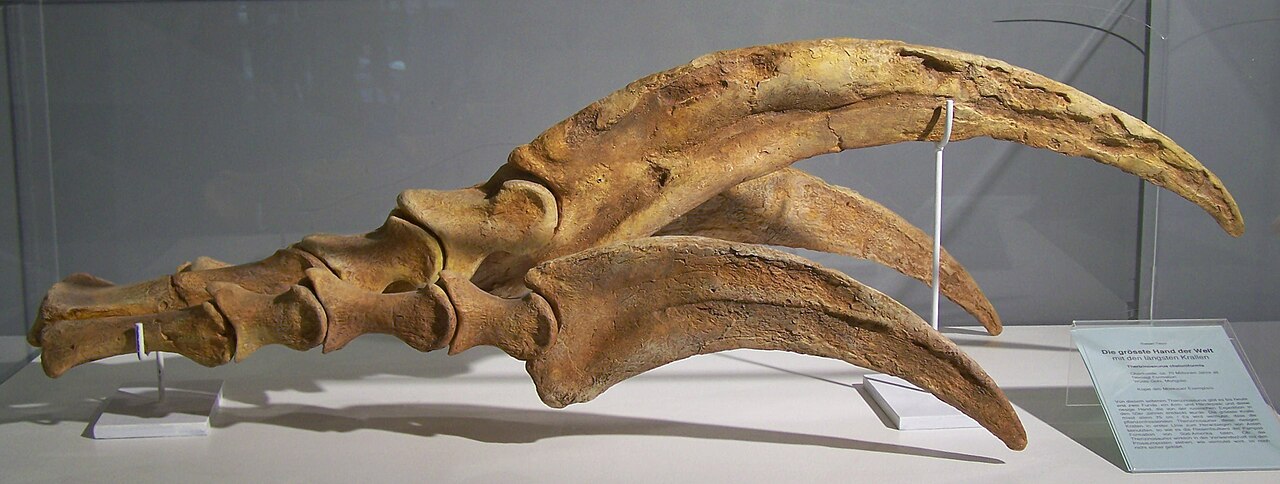
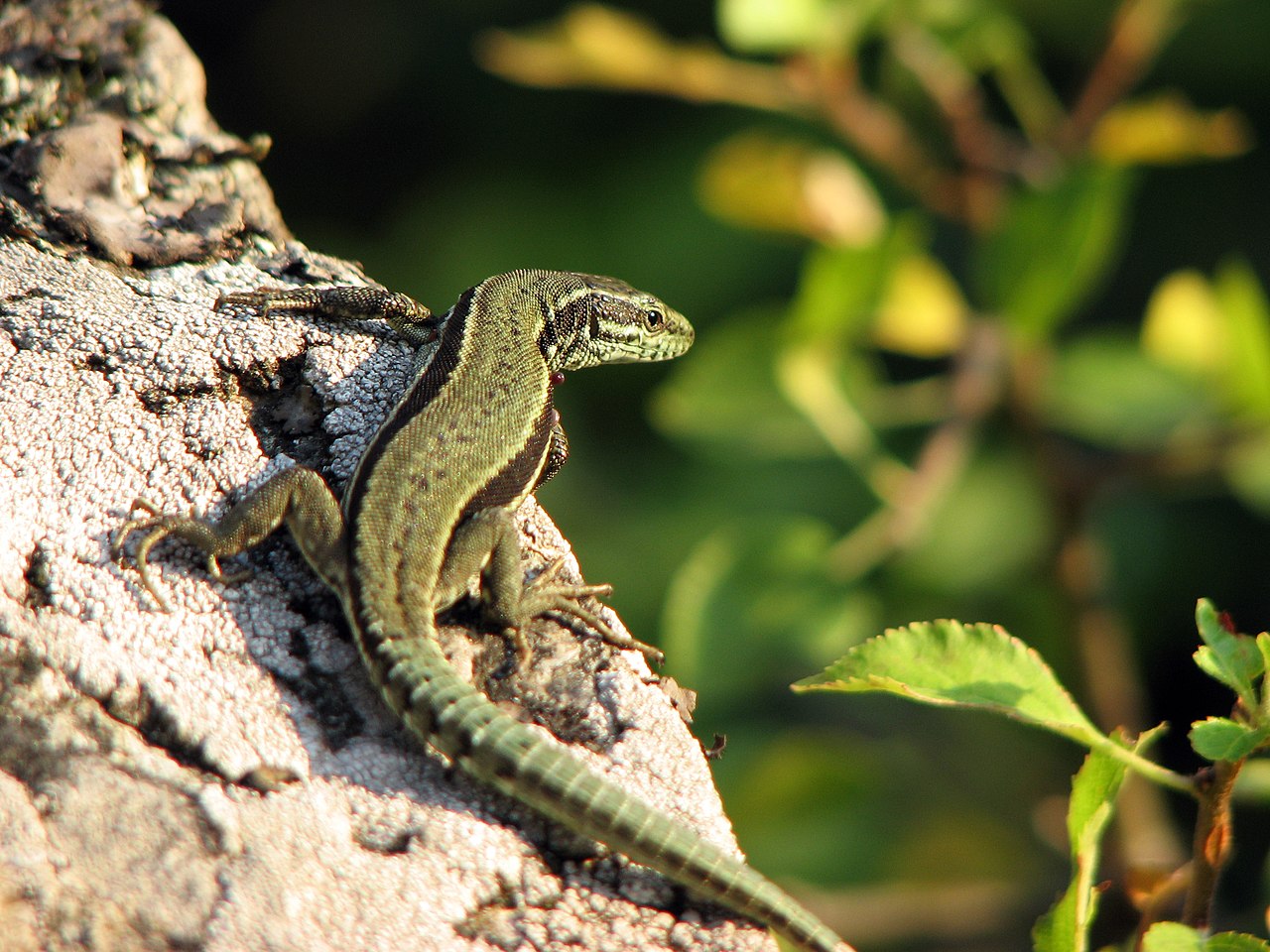
A claw is a curved, usually pointed structure that forms at the end of a toe or finger in many vertebrate animals and appears as a functional appendage in some invertebrates. In everyday language the word also applies to analogous structures such as the chelae of crustaceans; for example, the pincers of crabs and lobsters are commonly called claws. The term covers a range of shapes and sizes—from the needlelike tips of a cat’s feet to the broad, blunted digging claws of a mole.
Image gallery
7 Images



Structure and development
In most mammals, birds and reptiles a claw is composed primarily of keratin, the same fibrous protein that makes up hair, feathers and nails. The claw grows from a specialized region of skin at the base of the digit and extends outward as keratinized tissue. Growth and wear are dynamic: claws can be worn down by activity or kept sharp by grooming behaviors. Anatomically similar structures in many arthropods arise from their exoskeletons and have a different material composition, so the word "claw" in that context is functional rather than homologous (invertebrate usages).
Functions and variation
Claws serve a variety of roles depending on an animal’s ecology and lineage. Typical functions include:
- Grasping and holding prey, as in many carnivores and birds of prey (talons).
- Climbing and traction, important in arboreal mammals and many birds.
- Digging and burrowing, where claws are stout and reinforced.
- Defense and display, used as weapons or visual signals in fights and courtship.
- Grooming and sensory exploration, trimming fur or manipulating objects.
Different groups show characteristic specializations. Felids typically have retractable, sharp claws for silent hunting; canids have non-retractable claws that aid traction during running. Birds of prey possess laterally compressed, hooked talons adapted to capture and hold vertebrate prey. Ungulate hooves represent a distant modification of claw-like structures into broad, weight-bearing pads.
Human interaction with claws ranges from routine care—trimming companion animal claws to prevent overgrowth—to cultural and symbolic uses in tools, ornamentation or heraldry. In veterinary and conservation contexts, claw injuries, infections and growth abnormalities can affect mobility and welfare, so understanding normal form and function has practical importance.
Though the basic concept of a claw is simple, its convergent evolution across distant animal groups illustrates how a pointed or hooked terminal structure can be adapted for many ecological roles. Readers interested in anatomical comparisons or specific taxa can follow up through comparative anatomy resources and species accounts for more detailed examples.
Questions and answers
Q: What is a claw?
A: A claw is a sharp object found at the end of a toe or finger in many mammals, birds, and some reptiles, and also refers to the chelae of crabs and lobsters.
Q: What is a claw made of?
A: A claw is made of hard protein called keratin.
Q: What are claws used for in some mammals?
A: Claws are used by some meat-eating mammals such as cats to catch and hold prey, but they may also be used for other things such as digging, climbing trees, and so on, in those and other species.
Q: Are nails similar to claws?
A: Yes, similar appendages that are flat and do not come to a sharp point are called nails instead.
Q: What kind of animals have claws?
A: Many mammals, birds, and some reptiles have claws.
Q: What are the chelae of crabs and lobsters?
A: The chelae of crabs and lobsters are appendages that are often called claws or pincers.
Q: Can claws be used for things other than catching prey?
A: Yes, claws may also be used for things such as digging, climbing trees, and other purposes.
Tags
Related articles
Author
AlegsaOnline.com Claw Leandro Alegsa
URL: https://en.alegsaonline.com/art/20832