
Keratin: structure, functions, and biological roles
Keratin is a family of fibrous proteins that form hair, nails, horns, feathers and other tough, insoluble structures in animals. This article explains its types, formation, properties, uses and notable distinctions.
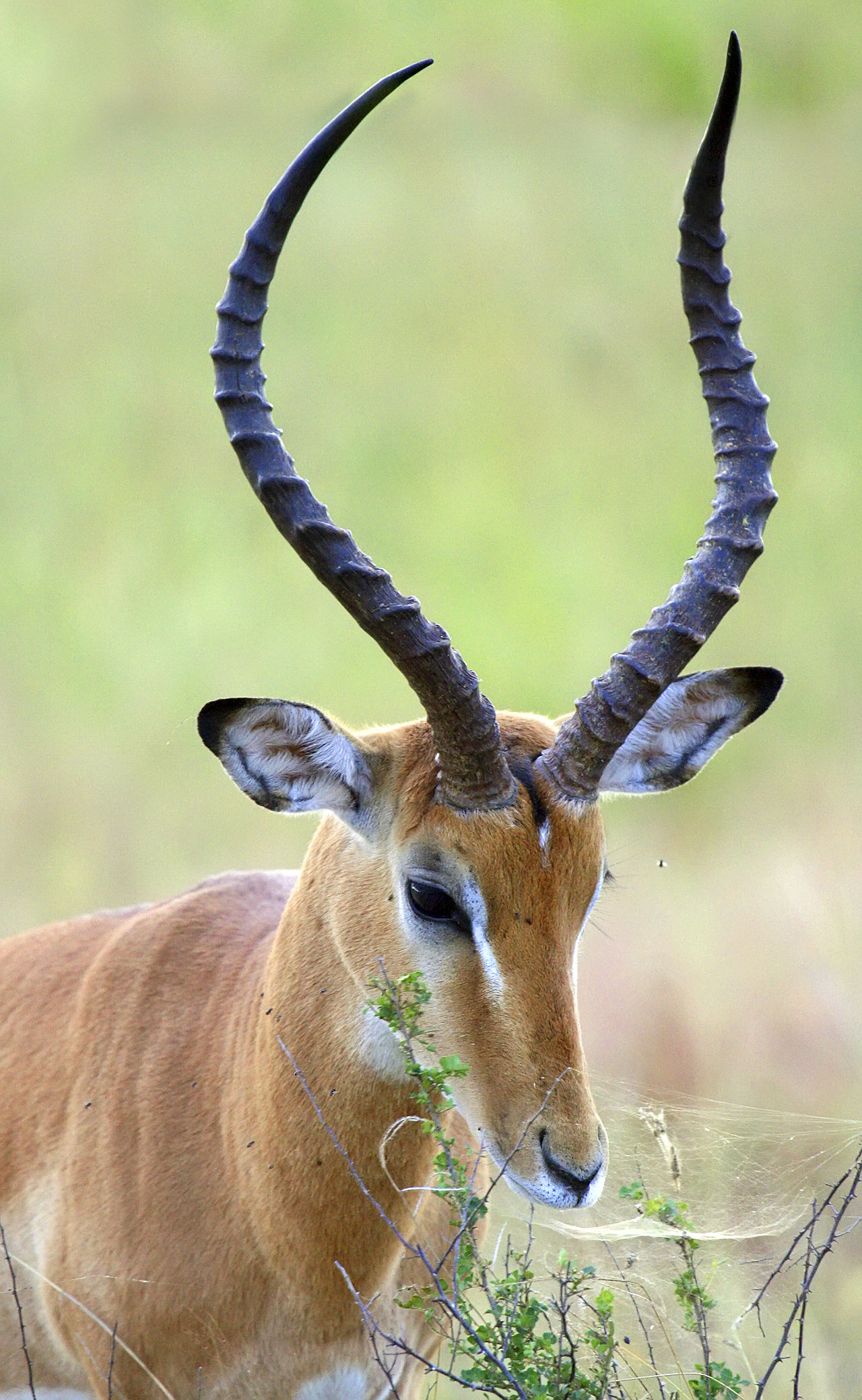
Overview — Keratin denotes a group of fibrous proteins that give mechanical strength to many external and structural parts of animals. Keratin family members polymerize into filaments and fibers. The term derives from the Greek word for horn and historically described the material of horns and other hard tissues. In living organisms, keratin is the primary constituent of hair, and is widespread across animals, including structures such as horns, nails, hooves, beaks, and feathers.
Image gallery
4 Images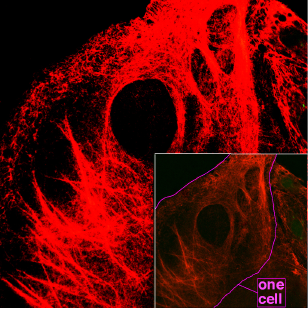


Structure and types
Keratin proteins assemble into long, fibrous intermediate filaments that reinforce cells and tissues. Two broad categories are often distinguished: softer, more flexible keratins found in skin and hair, and harder, more rigid keratins that form scales, claws and feathers. The stiffness and durability of keratin arise from its amino acid composition and cross-links between chains, including disulfide bonds, which vary between keratin types.
Biological distribution and examples
Keratinous structures appear across vertebrate groups. Reptiles, birds, amphibians and mammals all rely on keratin for protective surfaces: many reptiles have scales, birds bear feathers, amphibians may have keratinized pads, and mammals produce hair and nails. Examples include keratin in reptiles, birds, amphibians and mammals. At the cellular level, skin epithelial cells called keratinocytes synthesize keratin and undergo a programmed maturation that yields a tough outer layer.
Properties and comparisons
Keratin is chemically robust and largely insoluble in water and many solvents, which helps form a durable exterior that resists wear. Unlike bone or teeth, keratinous tissues are non-mineral. Their mechanical resilience and biological role are comparable in some respects to other tough biomaterials, for example chitin, and are part of broader biological strategies for protection and mechanical support.
Uses, importance and human relevance
- Materials and textiles: keratin fibers are the basis of wool and hair-based fibers used historically in textiles.
- Cosmetics and medicine: keratin extracts and formulations are used in hair and nail care and studied for wound-healing applications.
- Biological research: keratin proteins serve as markers for different cell types and states in laboratory studies.
Notable distinctions — Keratin differs from mineralized tissues by being proteinaceous rather than hydroxyapatite-based. Variability in keratin sequence and cross-linking produces a wide range of mechanical properties, from flexible epidermal layers to very hard beaks and hooves. For accessible summaries and further reading on keratin and its roles, see resources on the keratin family and comparative biomaterials: overview, hair biology, animal integuments, and links on horns, nails, hooves, beaks, feathers and comparative materials via horns, nails, hooves, beaks, feathers, etymology, solubility, mineralization, reptiles, birds, amphibians, mammals, biology, chitin comparison.
Questions and answers
Q: What is keratin?
A: Keratin is a type of fibrous protein found in animals.
Q: What is the role of keratin in animals?
A: Keratin makes up important structures in animals such as hair, horns, nails, hooves, shells, beaks, and feathers.
Q: What is the origin of the name "keratin"?
A: The name "keratin" comes from the Greek word "keras" which means "horn".
Q: What are some characteristics of keratin?
A: Keratin is tough and insoluble, and forms hard non-mineral structures in reptiles, birds, amphibians, and mammals.
Q: What is a similar structure to keratin in animals?
A: Chitin is a similar biological structure to keratin, sharing its toughness.
Q: Does keratin play a role in the human body?
A: Keratin is a major structural protein in human hair, nails, and skin.
Q: What types of animals have keratin in their bodies?
A: Keratin is found in a broad range of animals including reptiles, birds, amphibians, and mammals.
Tags
Related articles
Author
AlegsaOnline.com Keratin: structure, functions, and biological roles Leandro Alegsa
URL: https://en.alegsaonline.com/art/53001
Sources
- ncbi.nlm.nih.gov : PMID 15240497