
Rafael Moneo — Spanish architect
Rafael Moneo (born 1937) is a Spanish architect noted for a measured, context-aware modernism. Winner of the Pritzker Prize (1996) and the RIBA Royal Gold Medal (2003).
Rafael Moneo (born 9 May 1937) is a Spanish architect whose work is widely regarded for its calm, carefully composed response to site and history. Rather than following stylistic fashion, Moneo developed a restrained approach that balances contemporary needs with respect for context, materials and urban fabric. For a concise overview of his life and work see biography.
Image gallery
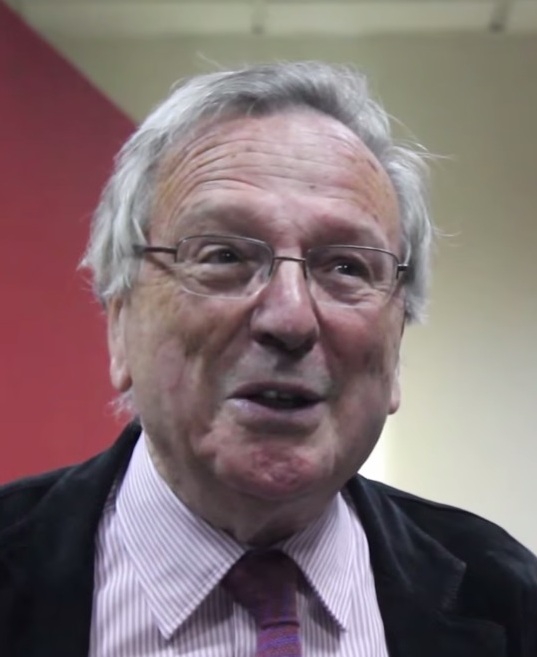
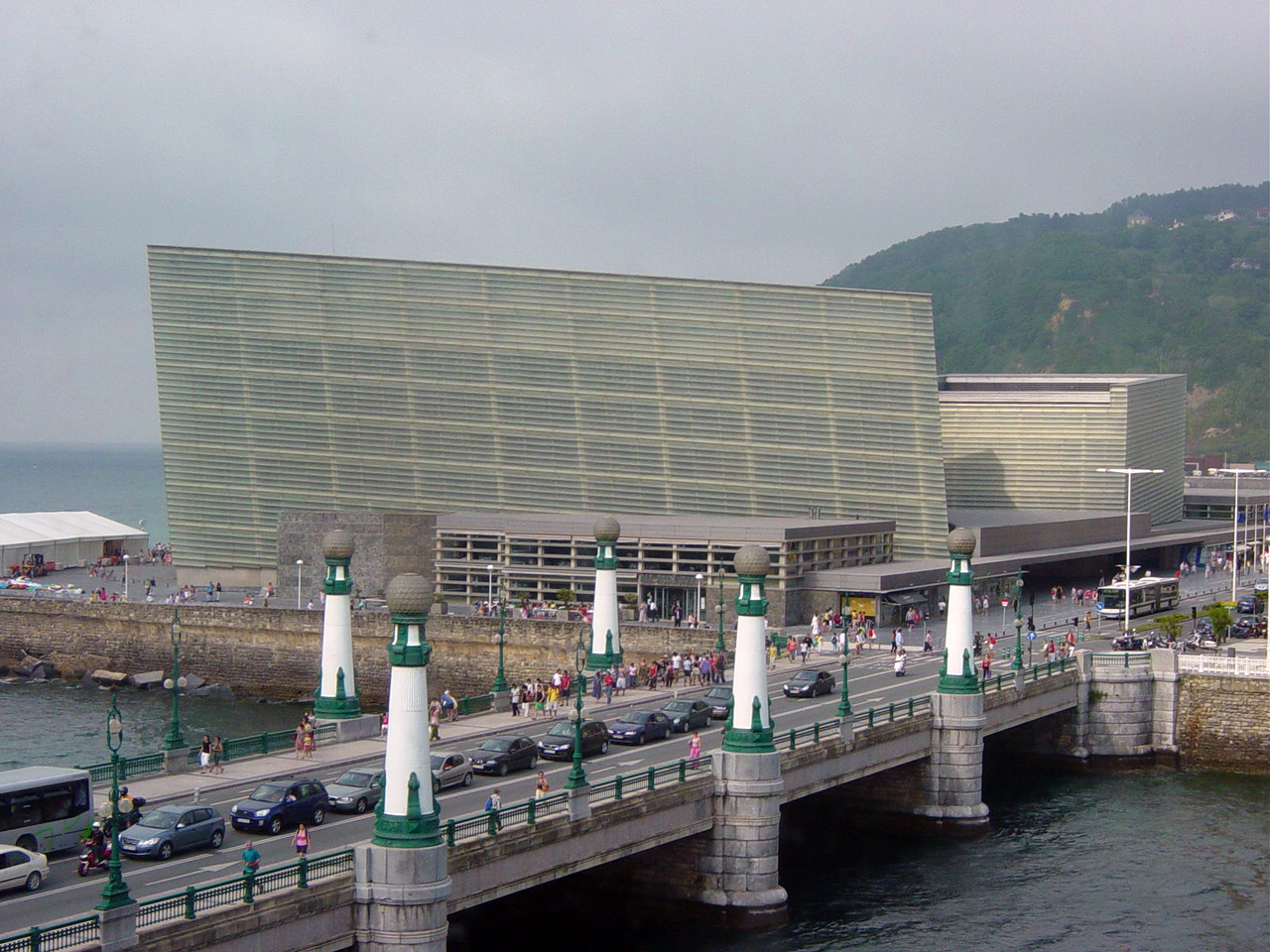
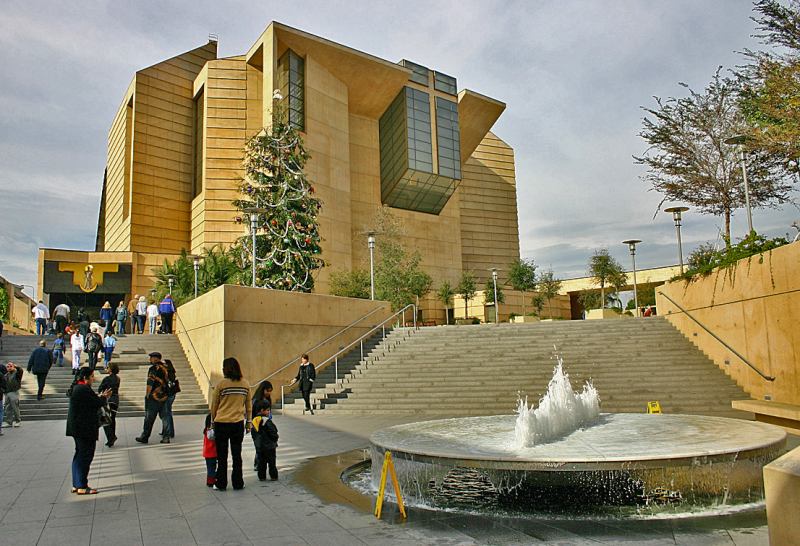
9 Images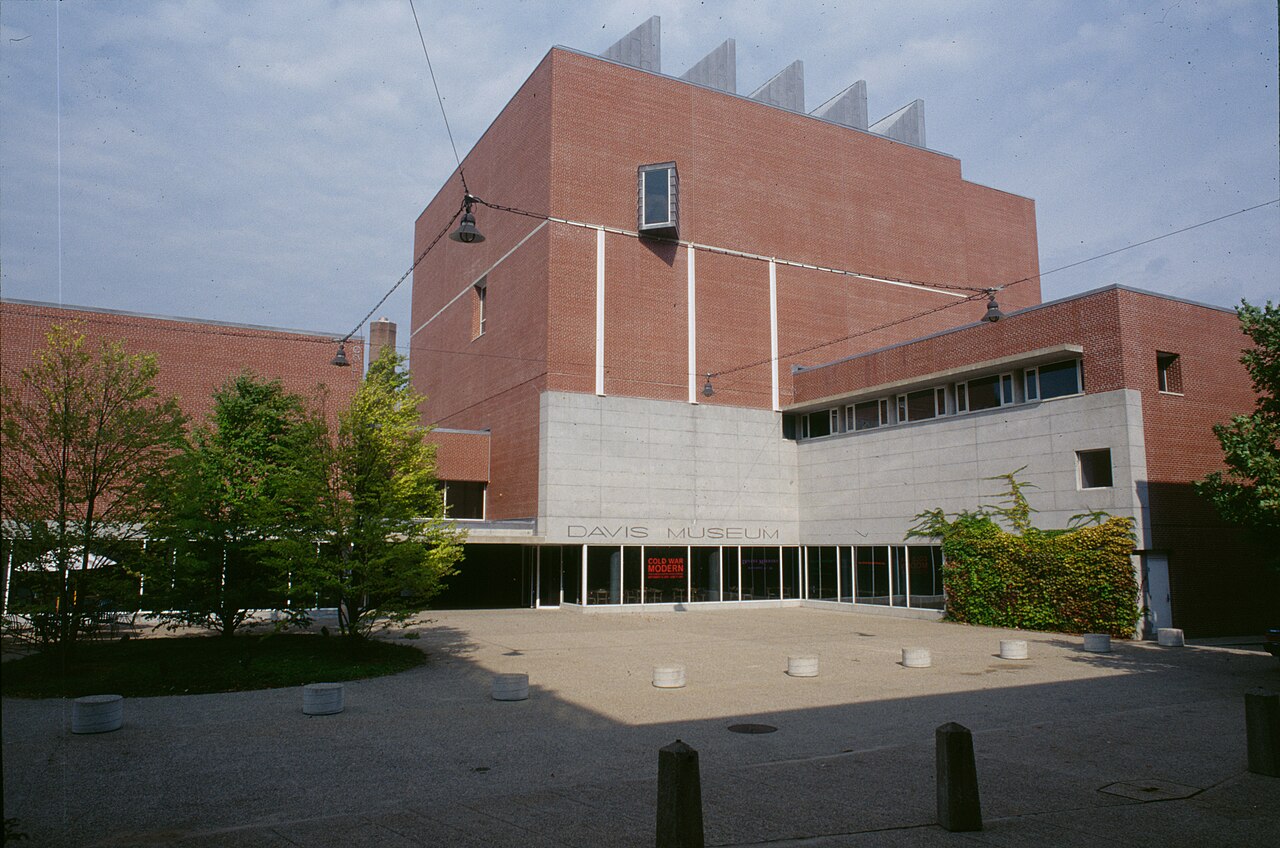




Approach and characteristics
Moneo's architecture emphasizes proportion, tectonic clarity and the relationship between new buildings and their surroundings. His projects are often described as thoughtful and civic in character: they favor durable materials, clear spatial order and detail work that reveals construction logic. Critics note how his designs mediate between modernist principles and regional or historical conditions.
Types of projects
Over several decades Moneo has worked on museums, cultural centers, civic buildings and academic facilities. His portfolio demonstrates an interest in public architecture that must negotiate complex urban or archaeological settings while serving contemporary functions.
- Notable museum and cultural commissions (see projects)
- Civic and institutional buildings designed to anchor their neighborhoods
- University and teaching facilities emphasizing clarity of plan and use
Moneo has also been active as an educator and writer. He has lectured widely and engaged in theoretical debates about architecture’s role in society, contributing to the education of several generations of architects.
Awards and legacy
Among his principal honors are the Pritzker Prize in 1996 and the Royal Institute of British Architects Royal Gold Medal in 2003 (RIBA Royal Gold Medal). His work is frequently studied for its disciplined integration of modern architecture into historic and urban contexts, and he is regarded as one of the leading Spanish architects of his generation.
Author
AlegsaOnline.com Rafael Moneo — Spanish architect Leandro Alegsa
URL: https://en.alegsaonline.com/art/129153