
Republic of Artsakh (Nagorno-Karabakh): overview, history, and status
A neutral overview of the Republic of Artsakh (Nagorno-Karabakh): its origins, demographics, political status, conflicts, and recent developments in the South Caucasus.
Overview
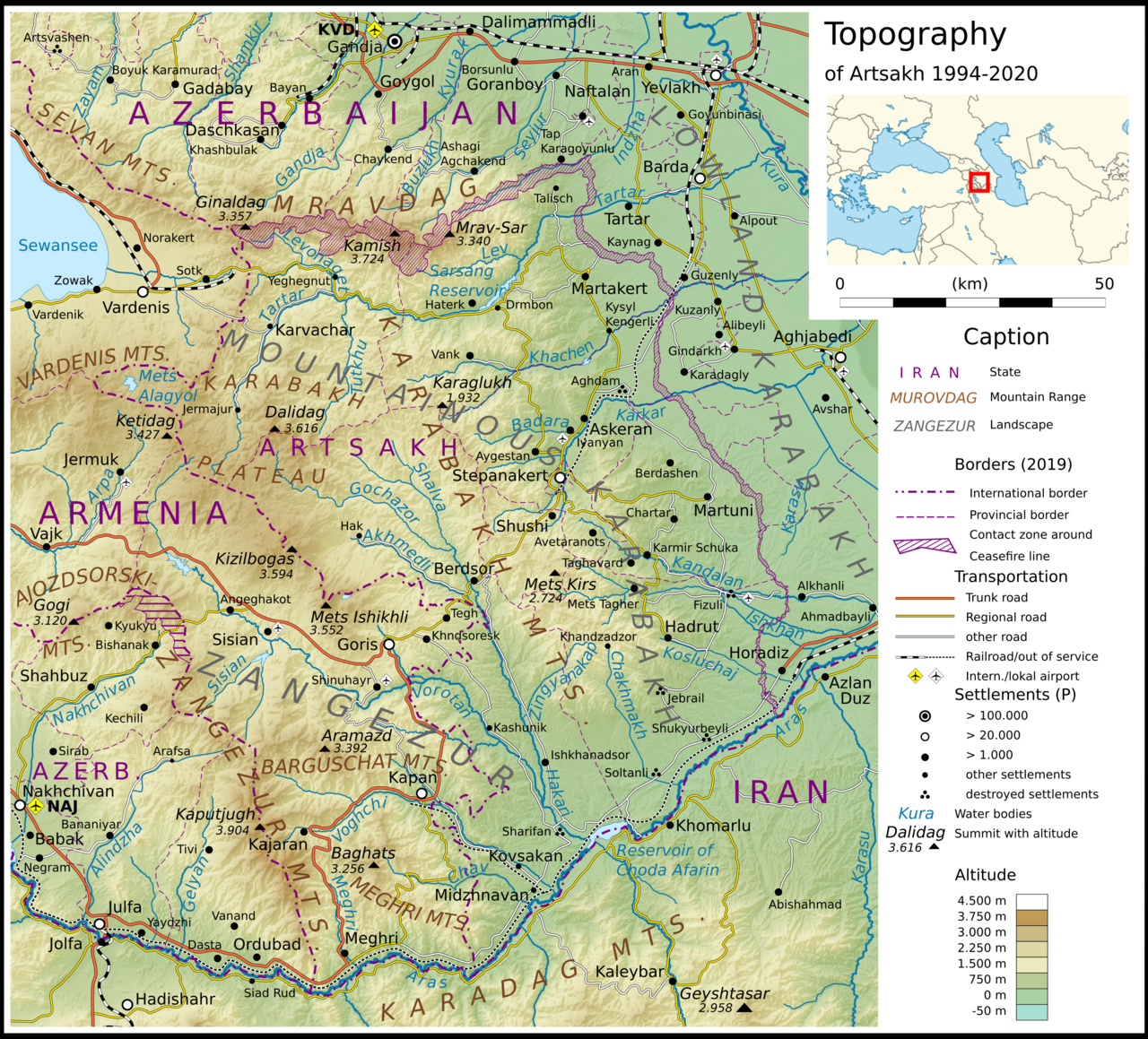
The Republic of Artsakh, also known internationally as Nagorno-Karabakh, was a de facto independent entity in a mountainous area of the South Caucasus. It was predominantly populated by ethnic Armenians and developed state institutions after the collapse of the Soviet Union. Its official Armenian name and local institutions are frequently referenced in Armenian-language sources (Armenian name). The territory commonly called Nagorno-Karabakh lies within the broader South Caucasus region (South Caucasus) and is claimed by the Republic of Azerbaijan (Azerbaijan), creating a long-standing international dispute over sovereignty (Nagorno-Karabakh).
Image gallery
10 Images






Geography, population, and society
The region is largely mountainous and has a continental climate. Its population was overwhelmingly ethnic Armenian, who trace a documented presence in the area back to antiquity (classical antiquity). Local economy and daily life combined agriculture, pastoralism, small industry and public services, shaped by limited international recognition and frequent security concerns.
Historical background
Armenian presence in the highlands predates medieval migrations, but the region's demography and political control changed over centuries. In the 11th century the Seljuk invasions reshaped power balances across the region (Seljuk invasion), affecting the South Caucasus (South Caucasus) and the wider Middle East (Middle East). These movements brought nomadic Turkic-speaking groups—including Oghuz and related tribes—into the Caucasus (nomadic, Turkic, Oghuz) and over centuries influenced local settlement and land use.
Soviet period and emergence of the modern dispute
When the Russian Empire and later the Soviet Union administered the South Caucasus, borders and autonomous arrangements were drawn that often mixed ethnic and administrative considerations. During the Soviet era the Nagorno-Karabakh Autonomous Oblast (NKAO) was created inside the Azerbaijan SSR. After the Soviet Union (Soviet Union) weakened in the late 1980s, competing national claims between the republics of Armenia (Armenia) and Azerbaijan re-emerged and escalated into open hostilities.
Conflict, declarations, and international response
Between 1988 and 1994 violent conflict led to large-scale displacement and the establishment of Artsakh's institutions by the local Armenian leadership. A referendum held at the time—boycotted by many Azerbaijanis—led to a declaration of independence by local authorities (boycott, declaration of independence), but no member of the United Nations (United Nations) recognized the new state. International mediation efforts, notably through formats such as the OSCE Minsk Group, sought negotiated settlements but produced limited durable results.
Recent developments and current status
In the 21st century episodes of armed confrontation have reoccurred, most notably a major outbreak of fighting in 2020 that altered territorial control and was followed by a ceasefire agreement mediated by external parties. Later operations and diplomatic pressure have continued to change facts on the ground, affecting civil administration and the movement of people. The legal status of Artsakh remained contested in international law: most states and international organizations regard the territory as part of Azerbaijan even when it was governed locally by Armenian-led authorities.
Governance, economy, and daily life
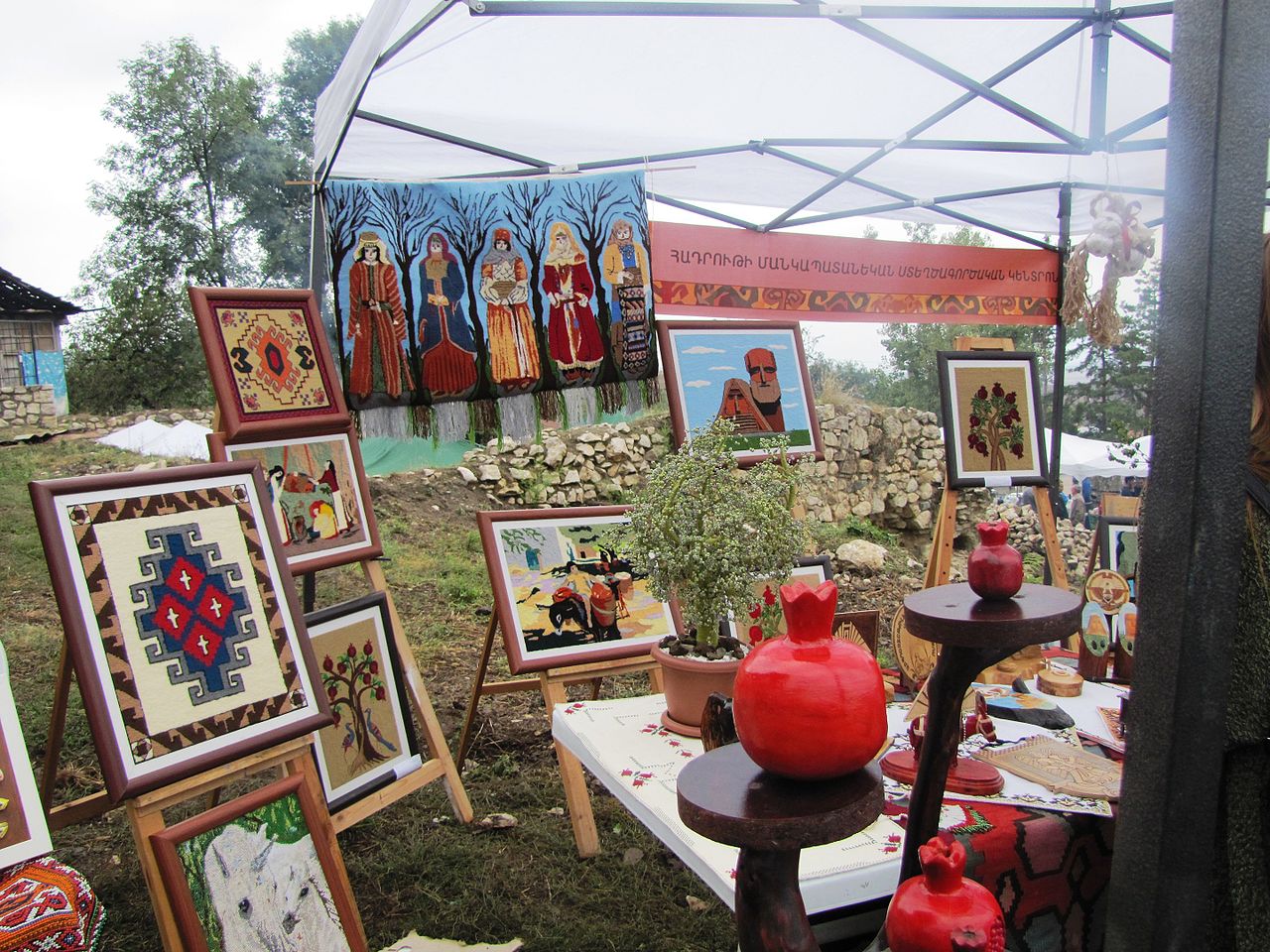
Under its self-declared institutions, Artsakh maintained executive, legislative and judicial bodies, a civil service, and basic public services, but these operated without broad international recognition and relied heavily on support from Armenia. Economic activity was constrained by limited trade, infrastructural challenges and periods of insecurity; many residents relied on subsistence farming, remittances and public-sector employment. Cultural life emphasized Armenian language, churches and historical memory.
Notable distinctions and continuing issues
- The situation illustrates tensions between principles of territorial integrity and of self-determination in international relations.
- Humanitarian concerns—refugees, internally displaced persons and civilian protections—have been prominent in international responses.
- Efforts at negotiation have involved regional powers and international mediators and remain sensitive to developments on the ground.
For further reading and official statements consult sources in multiple languages and perspectives: local Armenian-language materials (Armenian sources), historical overviews of the Nagorno-Karabakh region, regional studies of the South Caucasus, and contemporary diplomatic statements from Azerbaijan, Armenia and international organizations. Additional thematic resources include works on medieval migrations (Seljuk era, Oghuz), and analyses of Soviet-era administrative arrangements (Soviet Union) and modern peace processes (UN, independence claims, electoral boycotts). Many academic and journalistic sources offer timelines, demographic data and first-hand accounts to complement this summary (historical context, regional impact, nomadic traditions, ethnolinguistic notes).
Questions and answers
Q: What is the official name of Artsakh?
A: The official name of Artsakh is the Republic of Artsakh or the Nagorno-Karabakh Republic.
Q: Who has lived in Nagorno-Karabakh since classical antiquity?
A: Armenian people have lived in Nagorno-Karabakh since classical antiquity.
Q: When did the Seljuk invasion occur?
A: The Seljuk invasion occurred in the 11th century.
Q: What happened after the Soviet Union established control over Nagorno-Karabakh?
A: After the Soviet Union established control over Nagorno-Karabakh, it formed the Nagorno-Karabakh Autonomous Oblast (NKAO) within Azerbaijan SSR.
Q: What was asked on a referendum held in 1991?
A: The referendum asked voters if this area should be independent from Azerbaijan.
Q: How did Azerbaijani people respond to this referendum?
A: Azerbaijani people boycotted this referendum by choosing not to vote.
Q:What is mediating peace talks between Armenia and Azerbaijan?
A:The OSCE Minsk Group is mediating peace talks between Armenia and Azerbaijan.
Related articles
Author
AlegsaOnline.com Republic of Artsakh (Nagorno-Karabakh): overview, history, and status Leandro Alegsa
URL: https://en.alegsaonline.com/art/68107
Sources
- stat-nkr.am : "ԼՂՀ 2015Թ. ՄԱՐԴԱՀԱՄԱՐԻ ՆԱԽՆԱԿԱՆ ՕՊԵՐԱՏԻՎ ՑՈՒՑԱՆԻՇՆԵՐԻ ՄԱՍԻՆ"
- nkr.am : "Constitution of the Nagorno-Karabakh Republic. Chapter 1, article 1.2"
- nkrusa.org : "Nagorno Karabakh Republic – Country Overview"
- nkrusa.org : "The Office of the Nagorno Karabakh Republic in USA"
- aljazeera.com : aljazeera.com/indepth/features/azerbaijan-displaced-eye-return-armenian-occupied-lands-18…