
Francisco de Goya: Spanish painter and printmaker (1746–1828)
Influential Spanish painter and printmaker noted for court portraits, bold prints and the dark late 'Black Paintings' that helped bridge Enlightenment, Romanticism and modern art.
Overview
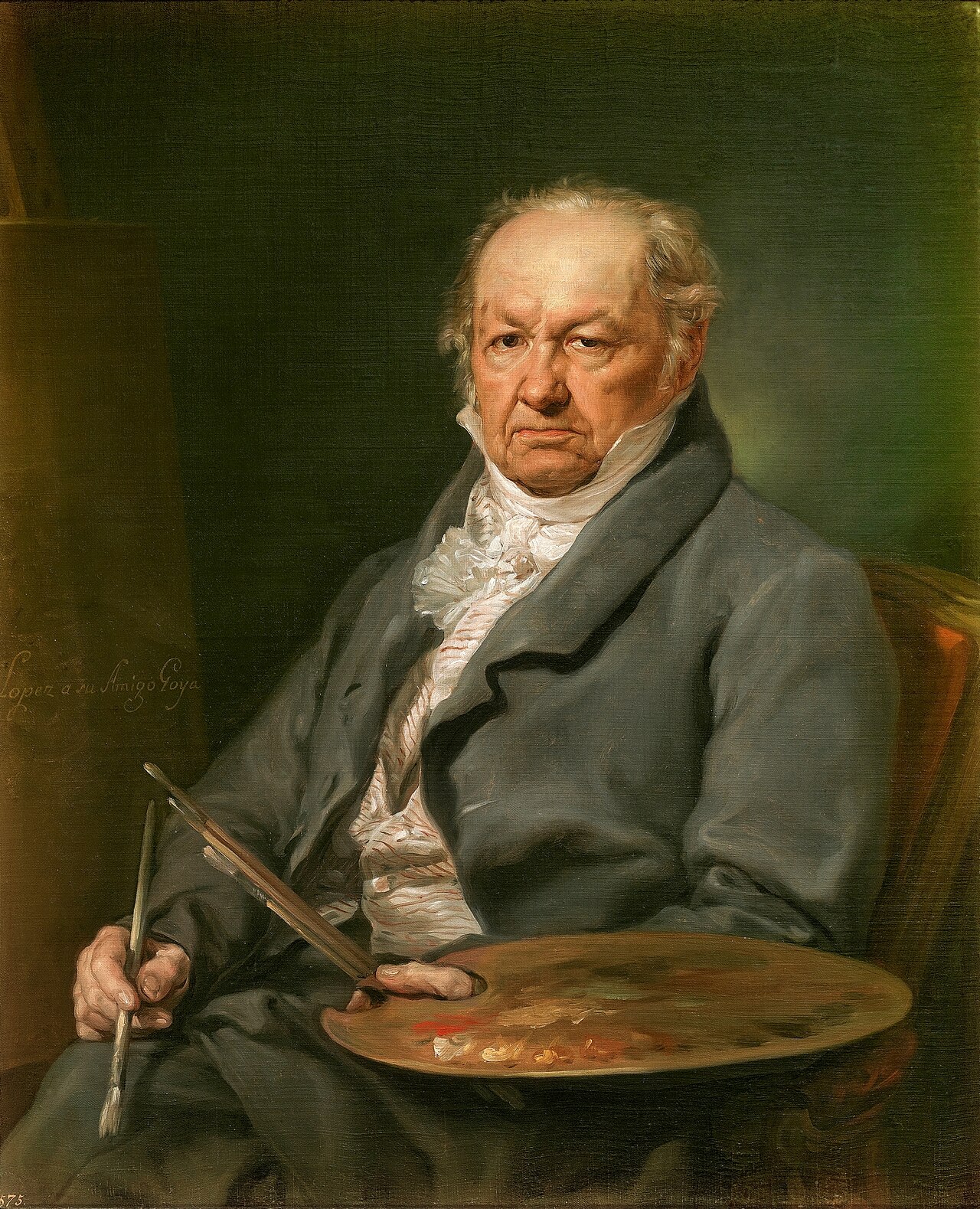
Francisco José de Goya y Lucientes (30 March 1746 – 30 April 1828) was a leading Spanish artist whose career spanned royal commissions, satirical prints and some of the most psychologically intense paintings of the late 18th and early 19th centuries. He worked as a portraitist to the monarchy and produced major graphic series and canvases that reflected political turmoil and personal crisis.
Image gallery
10 Images



Characteristics and themes
Goya's work ranges from formal court portraits to stark scenes of violence and human vulnerability. His paintings and prints explore power, superstition, war, social satire and the darker aspects of the human mind. In late works he adopted a looser, darker palette and bolder brushwork that many critics see as anticipating modern art movements.
Career and notable works
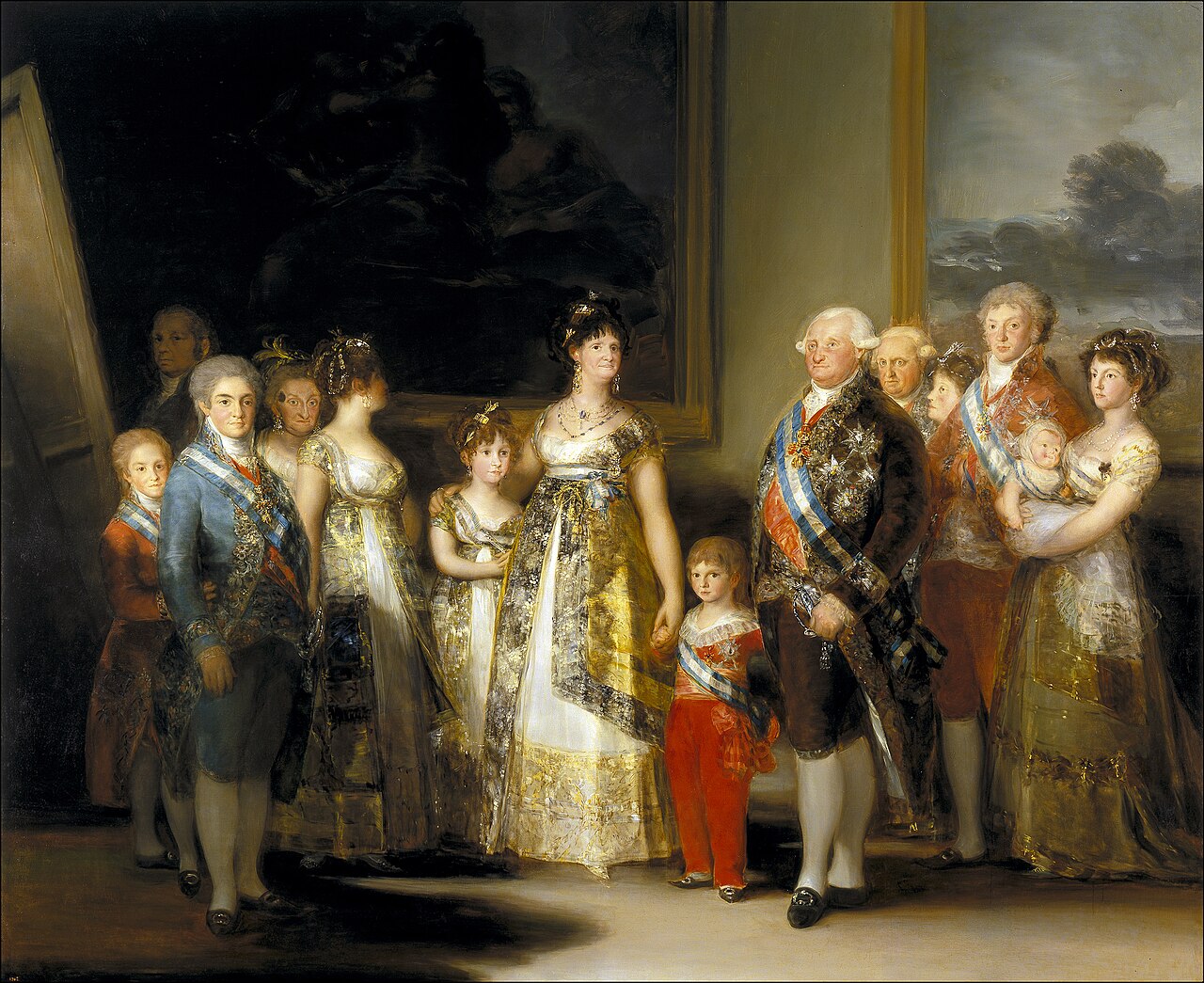
Early in his career he produced tapestry cartoons for royal and public commissions and later became closely associated with the Spanish court as a court painter. He painted many official portraits, including striking group portraits of the royal family and intimate likenesses of aristocrats such as the Duchess of Alba.
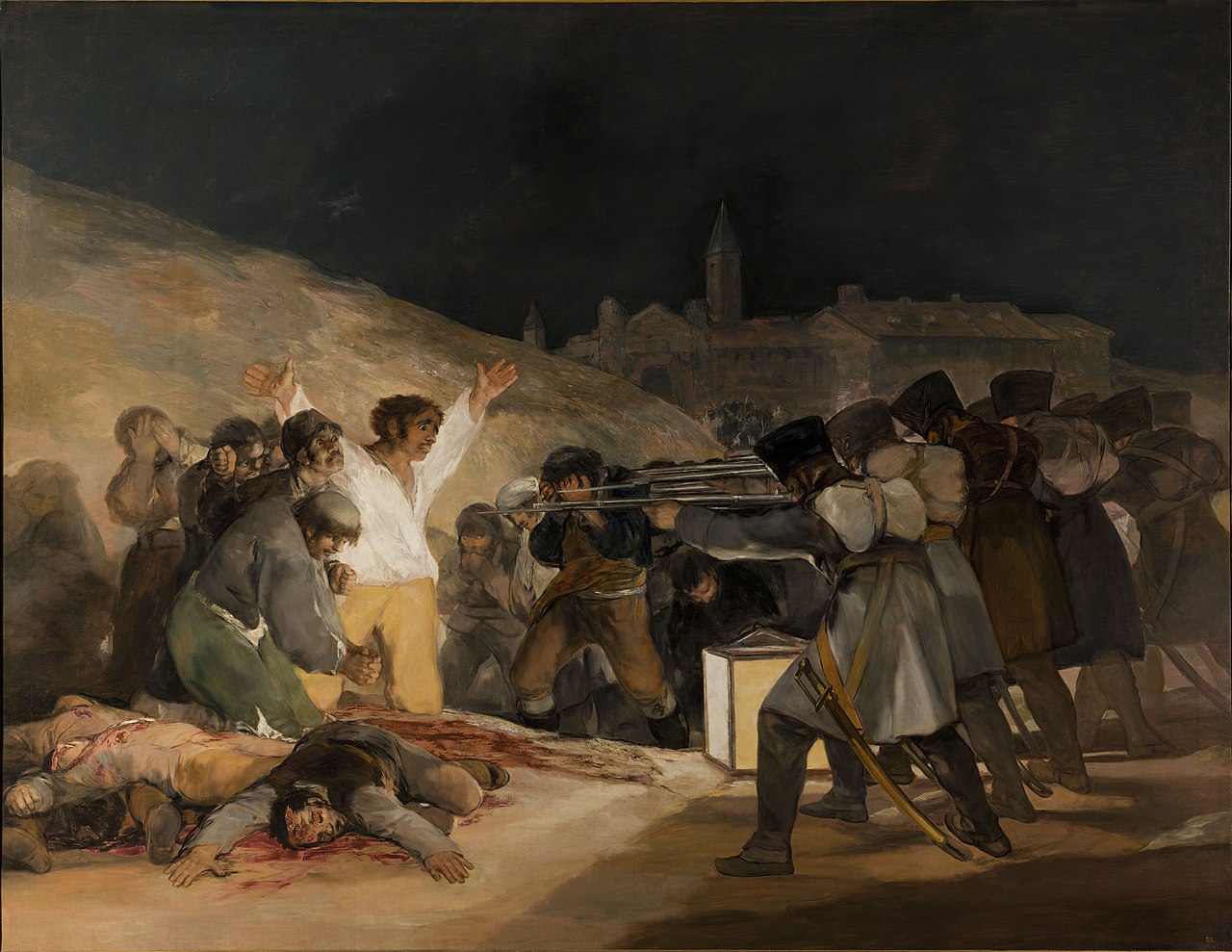
- The Third of May 1808 — a dramatic depiction of wartime execution and popular resistance
- Los Caprichos — an etching series of social satire and moral critique
- Disasters of War — graphic prints recording the brutality of the Peninsular War
- Black Paintings — a late, somber cycle painted directly onto the walls of his house, reflecting intense private visions
Life, illness and later years
Goya suffered a serious illness in middle age that left him deaf and altered his outlook and style. The experience of political upheaval in Spain, including the Napoleonic invasion and internal repression, influenced both his public commissions and his private works. In his final years he spent time away from the capital, and he died in exile in France.
Legacy and distinctions
Goya is frequently described as a transitional figure between the Old Masters and modern painters: his willingness to confront violence, psychological states and social injustice, together with experimental technique, made him a major influence on later Romantic and modern artists. His official portraits coexist with some of the most unsettling imagery in European art, making his oeuvre unusually wide in range and enduring in impact.
Questions and answers
Q: Who was Francisco de Goya?
A: Francisco de Goya was a Spanish painter.
Q: What kinds of paintings did Francisco de Goya create?
A: Francisco de Goya created many portraits of the Spanish Royal Family, as well as other paintings.
Q: Which paintings by Francisco de Goya are the most famous?
A: The most famous paintings by Francisco de Goya are Charles IV of Spain and His Family and The Third of May 1808.
Q: Did Francisco de Goya paint the Duchess of Alba?
A: Yes, Francisco de Goya regularly painted the famous Duchess of Alba.
Q: When was Francisco de Goya born and when did he die?
A: Francisco de Goya was born on 30 March 1746 and died on 30 April 1828.
Q: Where was Francisco de Goya from?
A: Francisco de Goya was from Spain.
Q: What is Francisco de Goya's full name?
A: Francisco de Goya's full name is Francisco José de Goya y Lucientes.
Related articles
Author
AlegsaOnline.com Francisco de Goya: Spanish painter and printmaker (1746–1828) Leandro Alegsa
URL: https://en.alegsaonline.com/art/36069
Sources
- nga.gov : "NGA - Francisco de Goya"
- latimes.com : Goya's Ghosts
- museoprado.mcu.es : The Clothed Maja and the Nude Maja, the Prado
- wikidata.org : wikidata.org/wiki/Q5432
- aucklandartgallery.com : 2517
- agsa.sa.gov.au : 3263
- authority.bibsys.no : 90104836
- bncatalogo.cl : 000044943
- catalogo.bne.es : XX947939
- catalogue.bnf.fr : cb11905615r
- data.bnf.fr : (data)
- cantic.bnc.cat : a10460500
- ci.nii.ac.jp : DA01827552
- d-nb.info : 118541064
- isni.org : 0000 0001 2280 1608