
1819
Overview of the year 1819: major political events, economic crisis, legal precedents, independence campaigns, cultural trends, and notable births and deaths.
1819 was a pivotal year in the decade after the Napoleonic Wars, marked by political tension, economic disruption and the continued reshaping of empires and nations. Across Europe and the Americas, fiscal strain, popular protest and independence movements produced events with lasting legal, territorial and social consequences.
Image gallery
10 Images





Major events
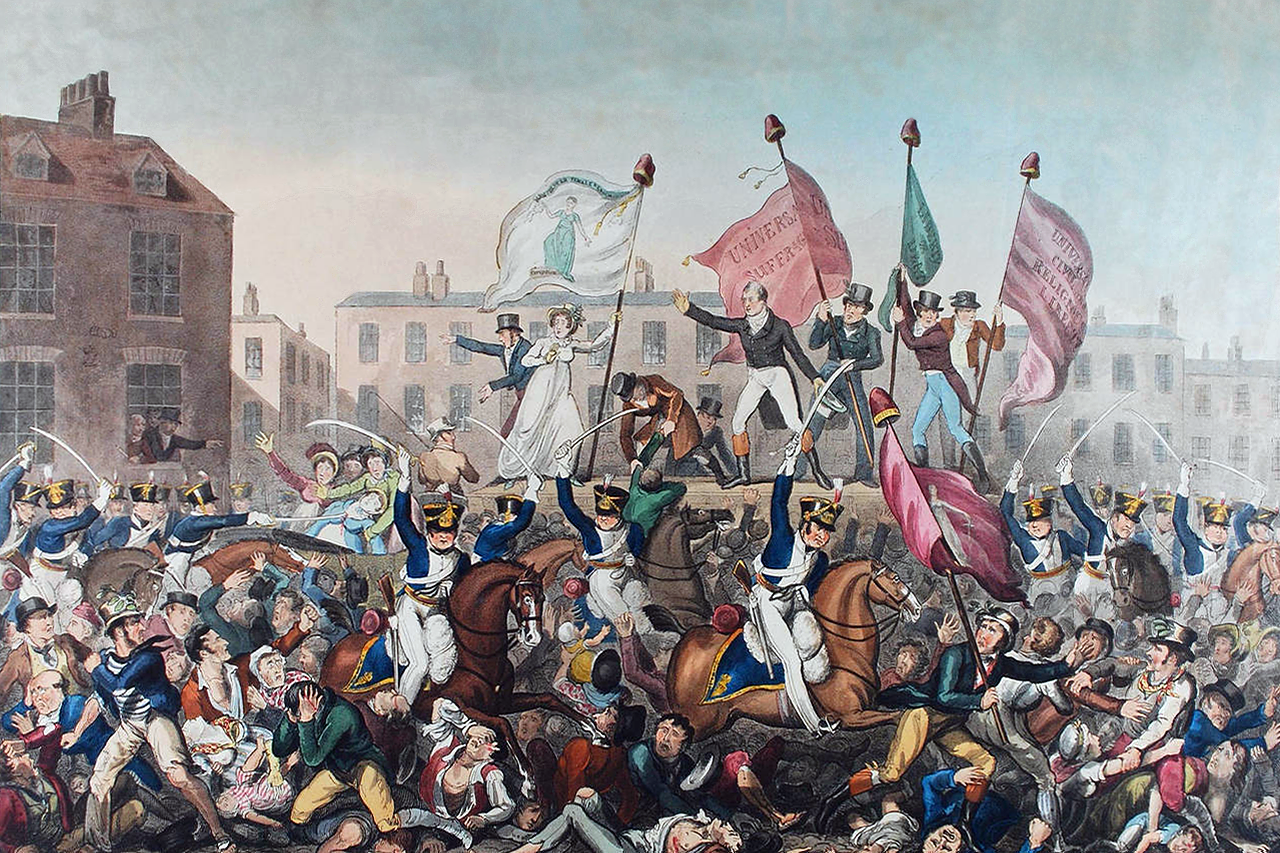
- United Kingdom: The Peterloo Massacre in Manchester, when cavalry charged a large pro-reform public meeting, focused national attention on representation, public assembly and government repression. In response, Parliament enacted measures to limit radical agitation and the circulation of reformist literature.
- United States: The Panic of 1819 was the young republic's first widespread peacetime financial crisis, triggered by post-war credit expansion, falling agricultural prices, and banking failures; it produced foreclosures, unemployment and long-lasting political effects.
- Diplomacy: The Adams–Onís Treaty between the United States and Spain redefined boundaries in North America and arranged for the cession of Florida to the United States, clarifying rival claims on the continent.
- Latin America: Simón Bolívar's campaigns gained decisive momentum. Victories in northern South America advanced independence for territories that would form states such as New Granada and ultimately contribute to Gran Colombia.
Law, politics and economy
In the United States the Supreme Court handed down decisions that strengthened federal power and protected certain contract rights; notable cases of 1819 shaped constitutional doctrine on federal authority and corporate charters. Debates over slavery and western expansion also intensified with admission questions and territorial arrangements under discussion. Economically, the Panic of 1819 highlighted the risks of speculative credit and international commodity cycles and helped spur calls for banking and currency reform.
Culture, science and society
1819 fell squarely within the Romantic era in arts and letters. Industrialization and urban growth continued to change social structures in Britain and elsewhere, producing new working-class communities, philanthropic efforts, and reform movements. Learned societies, scientific journals and professional institutions kept developing, while newspapers and pamphlets expanded public debate about rights, representation and economic policy.
Notable births and deaths
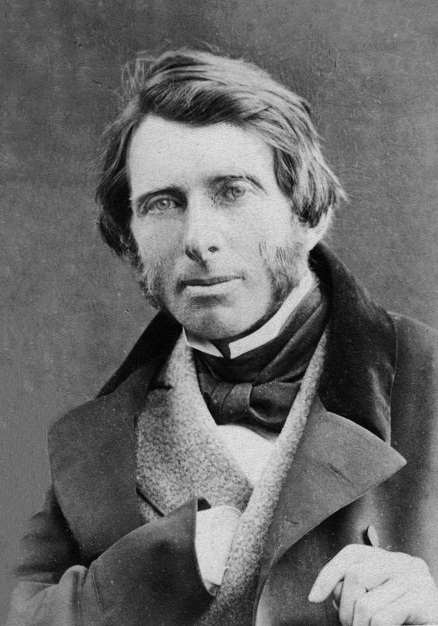
- Births: The year saw the birth of several figures who would shape nineteenth-century culture, including the novelist Herman Melville and the critic and social thinker John Ruskin.
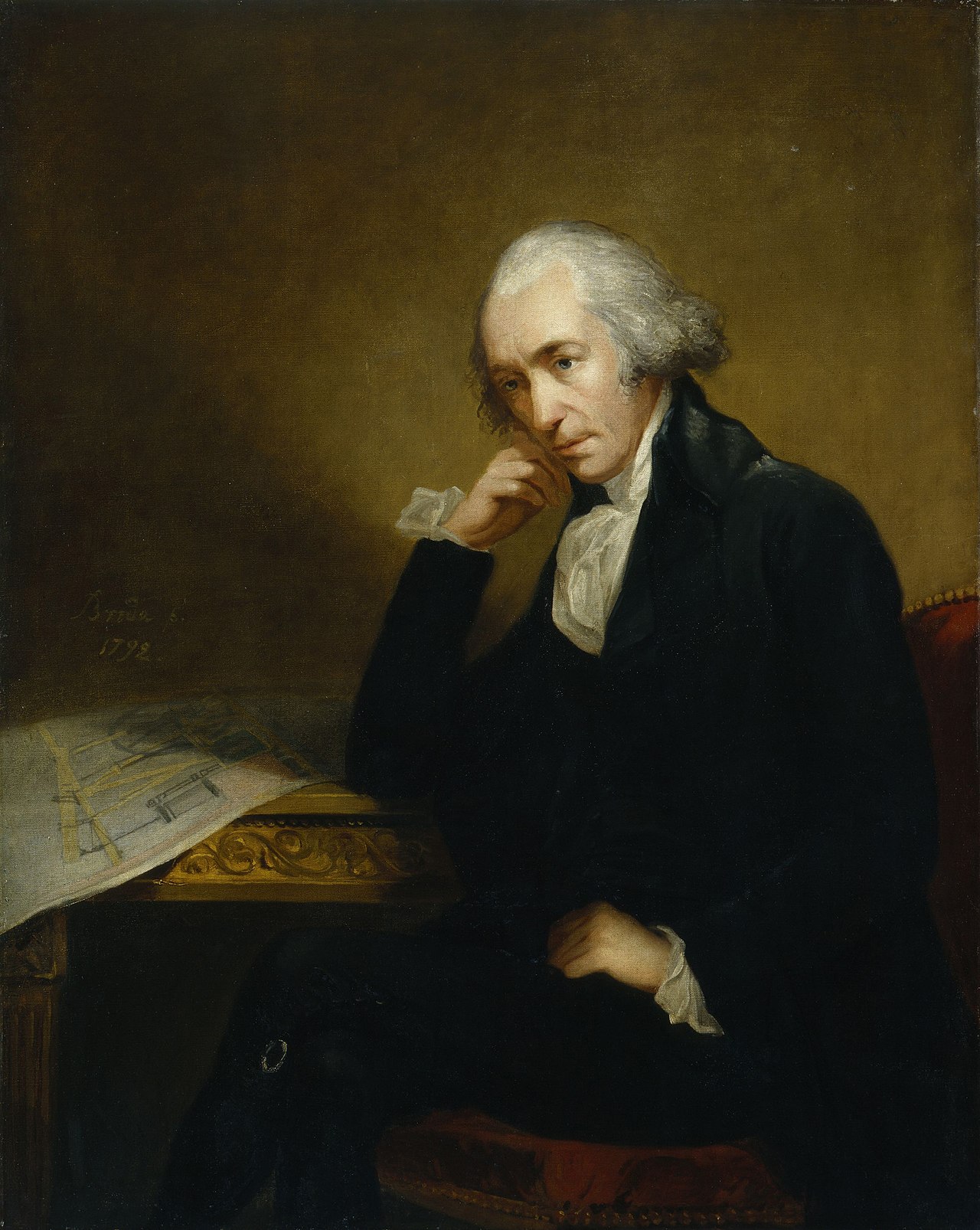
- Deaths: Important technical and industrial figures of the previous generation also passed away in 1819, most notably the steam-engine pioneer James Watt; the year marked a generational transition from revolutionary eras to new political leaders.
Legacy: Events of 1819—whether economic collapse in the United States, territorial negotiation with Spain, mass demonstrations in Britain, or independence campaigns in the Americas—helped set legal precedents, redraw political boundaries and accelerate social and political movements that continued to unfold through the nineteenth century.
Related articles
Author
AlegsaOnline.com 1819 Leandro Alegsa
URL: https://en.alegsaonline.com/art/111771