
Madrid: Spain’s Capital — Geography, History, Culture and Role
Comprehensive overview of Madrid, the capital of Spain: location, history, government, economy, culture, landmarks, transport and notable distinctions.
Overview
Madrid is the capital city of Spain and the largest urban center in the country. Located near the geographic centre of the Iberian Peninsula, it is the core of the Community of Madrid, an autonomous region that includes the city and surrounding towns. The city itself is home to several million people and serves as Spain’s political, administrative and cultural hub. Madrid’s role as the seat of the monarch and the national government highlights its central place in Spanish public life, while its financial districts underline its importance to the national economy and major businesses.
Image gallery
10 Images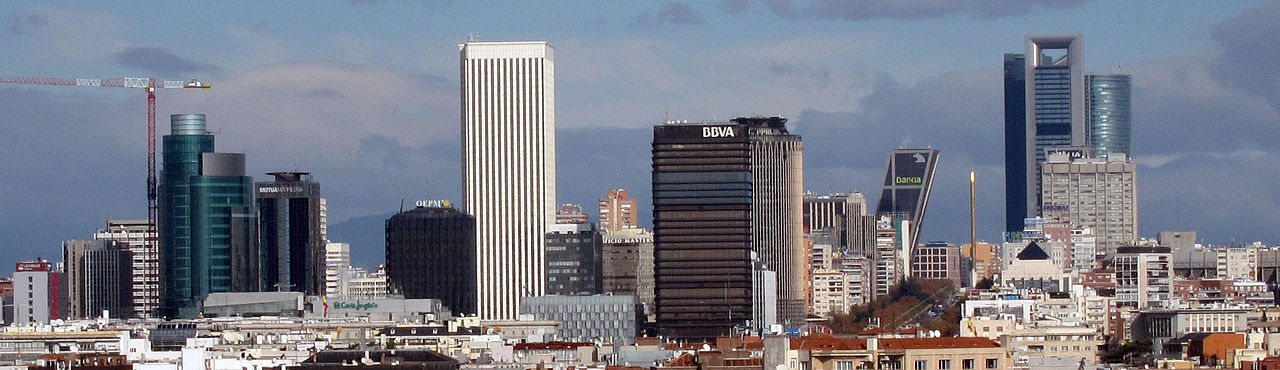


Geography and Climate
Madrid sits on a high plateau in central Spain, at an elevation often cited around 655 metres; sources refer to this elevation when describing its climate. Because of its height and inland position it experiences hot summers and cool winters, with relatively dry conditions compared with coastal Spanish cities. Madrid is often noted as one of the higher national capitals in Europe; it is commonly compared with Andorra in lists of elevated capitals and referenced alongside other high European capitals and the tiny mountain state of Andorra and its capital Andorra la Vella.
History and Development
The area of present-day Madrid has been occupied for millennia. Archaeological and historical records document Roman presence, linking the locality to the era of the Romans and the Roman expansion into the peninsula from about the 2nd century. Centuries later the city formed part of territories under Moorish rule until Christian forces retook the area; key dates associated with its reconquest include the late 11th century and specifically the year 1083 in some accounts. By the 16th century Madrid emerged as the political heart of a sprawling overseas empire, a status linked to the decisions of rulers from dynasties such as the House of Habsburg and later the House of Bourbon. The 20th century saw significant upheaval culminating in the Spanish Civil War; after decades of authoritarian rule the country returned to parliamentary democratic governance in the late 20th century, with the transition period around the mid-1970s reshaping Madrid’s institutions and public life.
Government, Economy and Urban Life
As Spain’s capital, Madrid concentrates national ministries, foreign embassies and the official residences tied to the monarchy and the state. It is also a national financial centre with stock exchange activity, major banks and multinational headquarters that shape its economic profile. The region and city government manage extensive urban services, green spaces and cultural investments. Residents are commonly referred to as madrileños, and the city’s neighborhoods range from historic districts with narrow streets to modern business corridors and residential suburbs.
Culture, Landmarks and Recreation
Madrid is celebrated for its museums, performing arts and public spaces. Notable institutions and attractions include world-class museums and concert venues, often described in guides as art galleries and concert halls. The city’s life revolves around plazas and promenades; famous squares and extensive parks provide social and recreational focal points. Examples of places frequently mentioned in travel and cultural literature include stately boulevards, cathedral precincts, royal palaces and green areas that welcome locals and visitors alike.
Sports, Transport and Notable Facts
Football is a major part of Madrid’s identity, with clubs such as Atlético Madrid and other prominent teams drawing large followings. The city is a transport hub, with an extensive metro system, regional rail links and a major international airport that connect it to the rest of Spain and the world. Madrid’s combination of historical depth, civic institutions, economic weight and cultural offerings makes it a central reference point for understanding contemporary Spain.
- Historic influences: Roman, Islamic and medieval Christian periods shaped the urban fabric.
- Key eras: rise as capital in the mid-16th century, imperial and monarchical eras, 20th-century conflicts and late-century democratization.
- City features: large parks, busy squares, cultural venues and strong business sectors.
For further reading on specific topics—political institutions, urban planning, museums, or historical periods—consult dedicated resources linked from authoritative guides and academic work: see entries on Spain and Madrid’s administrative region (Spain, Community of Madrid) and specialized studies of the city’s past and present (empire, Habsburg, Bourbon, Civil War, democracy).
Questions and answers
Q: What is the population of Madrid?
A: The Community of Madrid has a population of 7 million people, with more than 3 million living in the city itself.
Q: What is the elevation of Madrid?
A: Madrid is located at 655 m (2,100 ft) above sea level, making it the second highest capital in Europe after Andorra la Vella.
Q: Who are madrileños?
A: Madrileños are people who live in Madrid.
Q: When was Madrid ruled by Romans?
A: Madrid was ruled by Romans from the 2nd century.
Q: Who occupied Madrid after AD 711?
A: After AD 711, Madrid was occupied by Moors.
Q: When did Spain become a democracy?
A: Spain became a democracy in the mid-1970s after being ruled by a dictator following the Spanish Civil War.
Q: What can be seen and felt while walking around Madrid's streets and squares?
A: While walking around Madrid's streets and squares one can see and feel its history through beautiful parks, famous buildings, art galleries and concert halls.
Related articles
Author
AlegsaOnline.com Madrid: Spain’s Capital — Geography, History, Culture and Role Leandro Alegsa
URL: https://en.alegsaonline.com/art/60526
Sources
- madridamano.com : "La dominación árabe (Arab rule). The city of Mayrit, a fortress in its origin, was founded by the end of the 9th century."
- appsso.eurostat.ec.europa.eu : Population by sex and age groups
- demographia.com : World Urban Areas